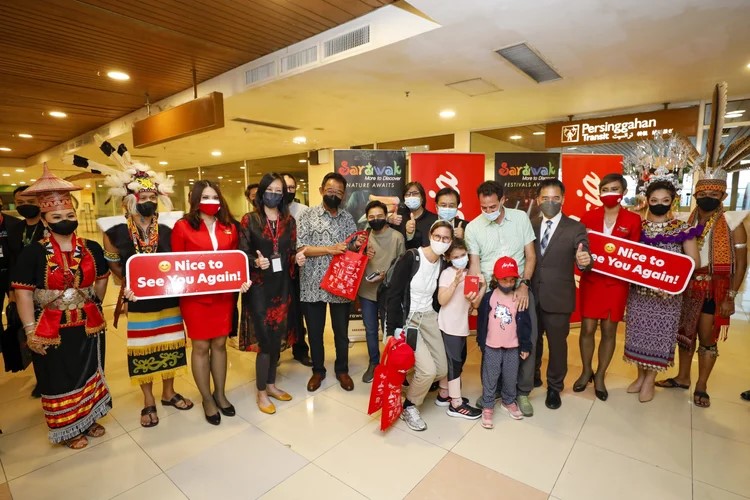
LAST year, Sarawak achieved its highest tourist arrivals since pre-pandemic days, with a total of 4.8 million visitors recorded, according to the Ministry of Tourism, Creative Industry and Performing Arts.
Given the visitor arrivals as well as the hosting of major events such as the 2024 Malaysian Games (SUKMA XXI), Carnival Jom Heboh (Segulai Sejalai Sarawak) and other annual events such as What About Kuching (WAK), the tourism industry in Sarawak appears to have fully recovered.
That being said, the next step for Sarawak’s tourism industry is to strengthen its position as one of the region’s premium tourism destinations, focusing on sustainable development, digital innovation, and enhancing visitor experiences.
Tourism: Economic pillar of the state’s PCDS2030
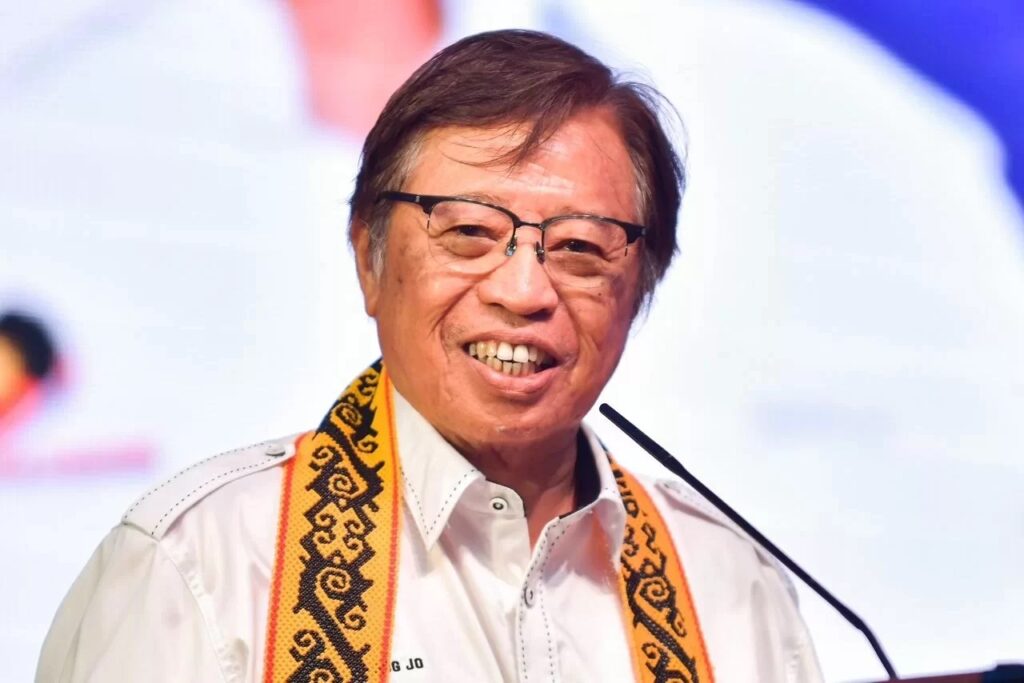
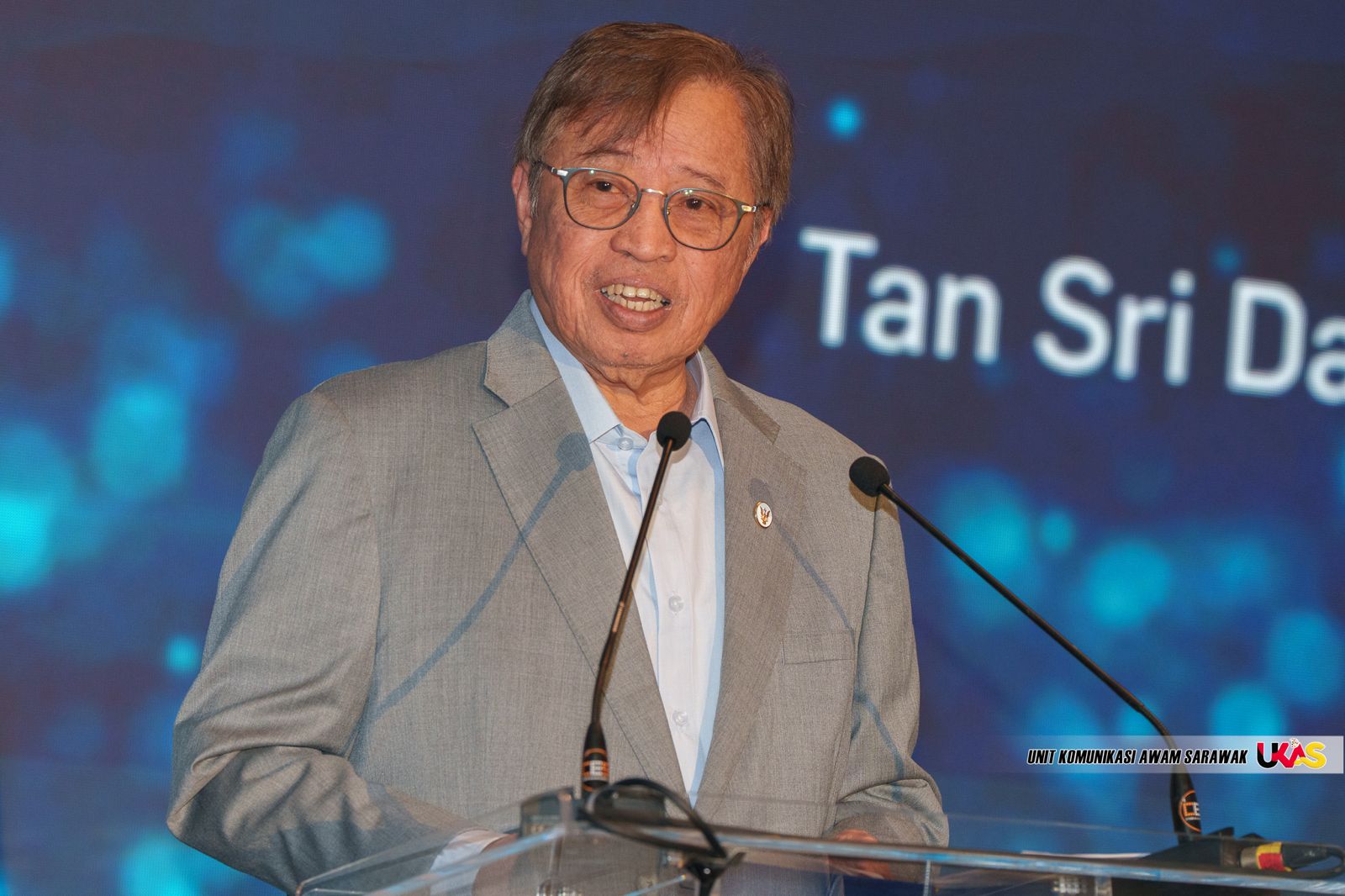
When Premier Datuk Patinggi Tan Sri Abang Johari Tun Openg launched the Post COVID-19 Development Strategy 2030 (PCDS2030) in 2021, tourism was among its economic pillars, especially in driving Sarawak’s visibility and branding around the world.
By 2030, he stated that Sarawak aims to be a leading destination for eco-tourism and business events in the ASEAN region, driven by empowered communities to conserve heritage, culture and biodiversity and to promote investment and development in the tourism sector.
“More tourism products and assets will be developed, supported by increased connectivity and capacity building by local tourism players.
“Sarawak will promote culture, adventure, nature, food and festival and diversify Sarawak’s tourism focus into health tourism, sport tourism, agro-tourism and education tourism. These initiatives are expected to increase the number of visitors by 7.5 per cent per annum,” he said.
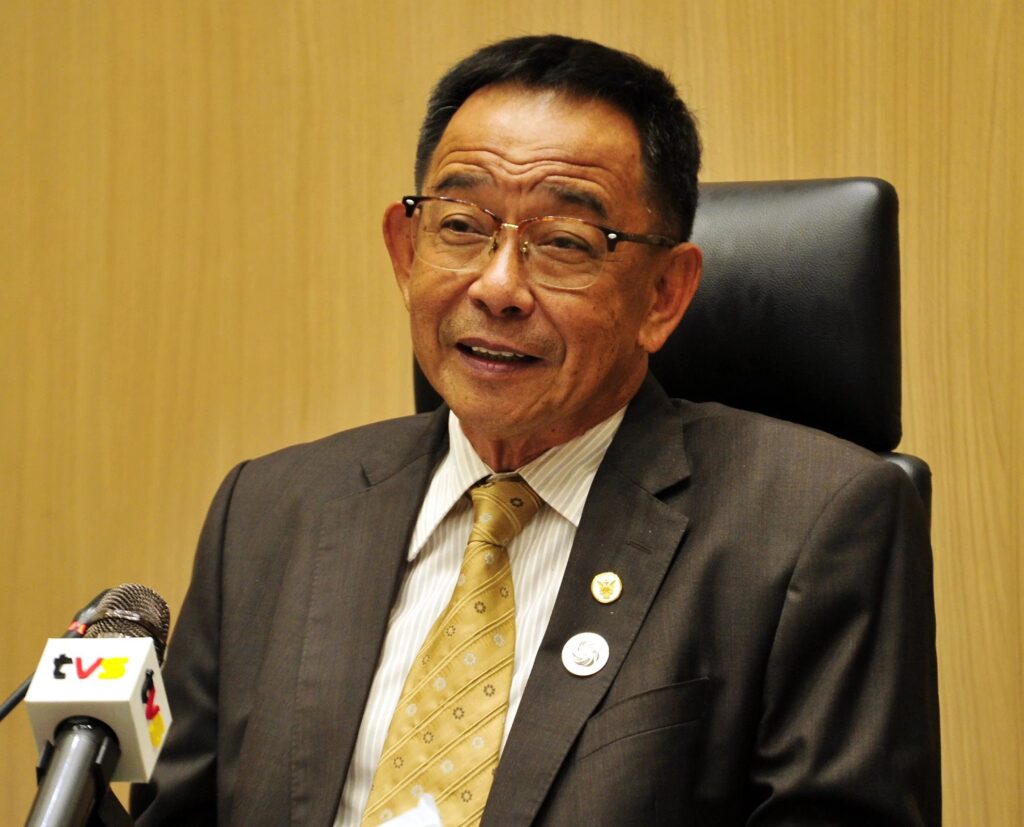
In 2022, Tourism, Creative Industry and Performing Arts Minister, Datuk Seri Abdul Karim Rahman Hamzah, said four main tourism strategies have been identified, namely to enhance travel to and within Sarawak, to develop Sarawak tourism products and assets by building upon its cultural, heritage and natural assets, to position Sarawak as a preferred tourism destination, and to improve capacity and capability of human capital.
“In addition, outcomes, levers and initiatives for a way forward for Sarawak to become a developed state by 2030 and providing high income for the people.
“The aspiration will be translated into three major outcomes in terms of economic prosperity, social inclusivity and environmental sustainability,” he said.
Since its launching, tourism in the state has generated significant economic returns. In the first report for PCDS 2030, the tourism industry generated RM9.9 billion in tourism revenue back in 2023, which highlighted the tourism’s proven capacity to drive real economic value and reinforce its selection as a pivotal sector.
Sarawak’s 15-year tourism master plan
Unveiled in October 2020, the third Sarawak Tourism Master Plan (2021-2035) was launched with a clear and ambitious goal: to position itself as a leading ecotourism and business events destination in the ASEAN region.
The 15-year roadmap sets out a clear vision for recovery, resilience, and long-term growth.
At its core, the master plan seeks to transform into a destination of choice by striking a balance between economic prosperity, social inclusivity and environmental sustainability.
During the launch of the master plan, Abdul Karim stated that the plan provides a comprehensive framework to grow industry sustainability while empowering local communities.
“By 2035, we aim to attract 12.7 million visitors and generate RM50 billion in tourism receipts.
“This will not only benefit the state’s economy but also create meaningful opportunities for Sarawakians across the tourism value chain,” he said.
Several of the initiatives in the master plan are the introduction of Regional Tourism Satellite Accounts to measure the sector’s contribution, the expansion of digital platform and domestic tourism incentives.
The master plan also places emphasis on sustainable and responsible tourism through conservation efforts, heritage preservation, and community-based projects.
Beyond leisure travel, the state’s business event sector is also given prominence under the Legacy Impact Master Action plan, which seeks to link international conferences and meetings with broader benefits in economy, community and environment.
Since the launching of the master plan, the state has moved steadily towards its target.
As mentioned earlier, visitor arrival continues to increase steadily. As of July, arrivals had reached over 2.7 million according to the Ministry’s website, which is much closer to the Ministry’s target of five million visitors this year.
The master plan also saw funding allocations given to various tourism projects and the ongoing ones like the Tusan Beach facilities and Brooke Dockyard Industrial Heritage Museum.
The biggest achievement for the state’s tourism industry was when the state government launched AirBorneo this year, which is expected to enhance regional connectivity, thus making it easier for visitors from West Malaysia, ASEAN countries and beyond to reach Sarawak.
Thus, with enhanced connectivity, new tourism assets, and a sharper focus on eco-tourism, culture and business, the Third Tourism Master Plan is expected to play a pivotal role in shaping Sarawak’s global tourism footprint over the next decade.
Tourism industry: Five years later
Sarawak’s tourism landscape has undergone major transformation in the last five years since the COVID-19 pandemic, shaped by evolving traveller expectations, environmental awareness and rapid technological adoption.
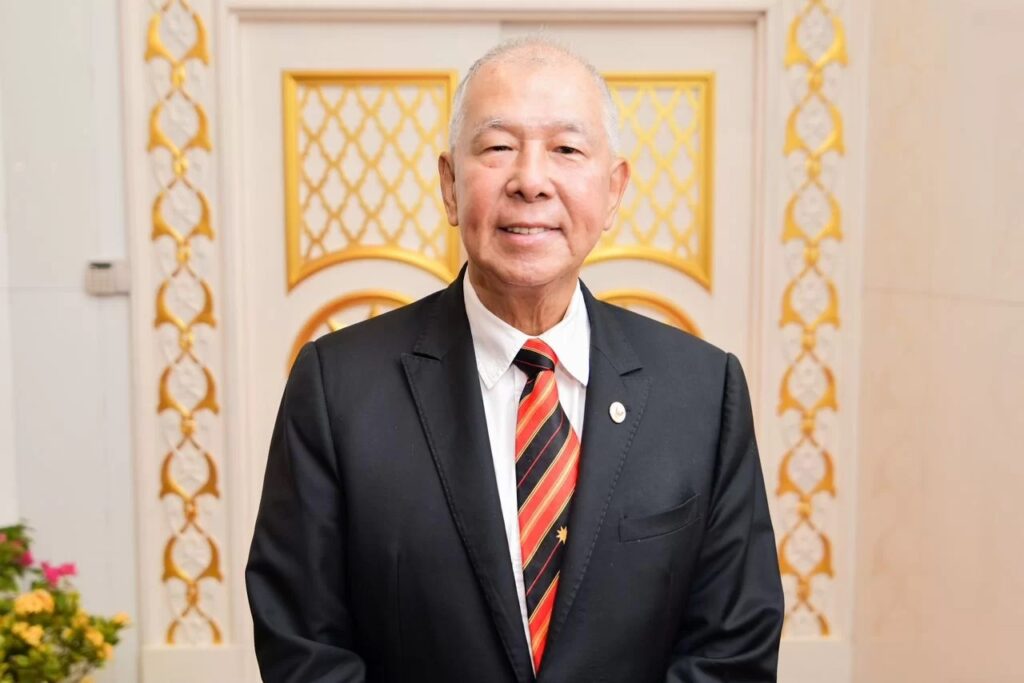
Deputy Minister Datuk Sebastian Ting Chiew Yew, said that right now, there is a stronger emphasis on sustainability and digitalisation, reflectiing both global trends and Sarawak’s own long term development agenda.
“Visitors are increasingly conscious of environmental issues, leading to a greater demand for eco-friendly tourism practices, responsible travel, and authentic cultural and nature-based experiences.
“The pandemic also accelerated digital adoption, with online booking platforms, virtual tours, and social media-driven marketing now forming an integral part of Sarawak’s tourism ecosystem.
“These tools have enhanced the state’s global reach and allowed for more personalised, data-driven engagement with potential visitors,” he said.
Moving forward, Ting said some of the Ministry’s top priorities is achieving this year’s target of five million visitors arrivals, upgrading key tourism infrastructure to world-class, including the transformation of old historic State Legislative Assembly (DUN) building into a world-class Performing Arts Centre which is expected to be completed by the end of 2027.
“Also the redevelopment of the Kuching South City Council (MBKS) Swimming Pool into a Water Fun Park and UNESCO Creative City of Gastronomy Centre (completion by early 2026), diversifying tourism offerings through initiatives such as Sarawak-Malaysia My Second Home (S-MM2H), golf tourism, and edu-tourism, and leveraging technology to enhance promotion, visitor engagement, and smart tourism development.
“The Ministry is also placing renewed emphasis on heritage and biodiversity-based tourism, working closely with industry players and local communities to protect Sarawak’s natural assets while creating high-quality visitor experiences.
“This inclusive and collaborative approach will be critical as Sarawak prepares for Visit Malaysia Year 2026, ensuring that tourism growth is both resilient and sustainable in line with the PCDS 2030 vision,” he said.
Sustainability across the tourism ecosystem
From policy planning to operation, Ting said the Ministry aspires to embed sustainability throughout the tourism value chain, a key initiative being ecotourism development, which promotes responsible travel to areas that conserve the environment.
“Another initiative that we are embedding is cultural preservation. We want to highlight the state’s cultural heritage through events, festivals, and community-led initiatives.
“With digital transformation, we aim to leverage platforms such as Sarawak Travel App and social media to expand reach and enhance visitor experiences.
“Through the Sarawak Tourism Board (STB), the Ministry champions the responsible tourism initative, promoting ethical travel, sustainable event management and meaningful interaction with Sarawak’s heritage. Flagship events like Rainforest World Music Festival (RWMF) serve as models for sustainable tourism in action.
“Most importantly, through community engagement, we are supporting homestay programmes and rural tourism to empower local communities,” he added.
Improving the infrastructure is also part of the sustainable tourism growth, with Ting listing historical forts under the Forts Trail, namely Fort Lily (Betong), Fort Emma (Kanowit), Fort Brooke (Julau) and Fort Hose (Marudi) as part of the ongoing conservation of historical forts in Sarawak.
“We are also planning the development of ecotourism facilities at Santubong National Park, upgrading the tourism amenities at Melasak Waterfall in Lawas and the enhancement of infrastructure and ethnic building at Sarawak Cultural Village.
“Boosting Sarawak’s global appeal, we continue to organise internationally recognised events such as RWMF and the Borneo Jazz festival,” he added.
With human capital development, Ting said the Ministry is conducting specialised training programmes for tour operators, guides, and hospitality staff, including modules on digital transformation, customer service, and first aid certification for national park guides.
“Our collaborative efforts are working with various government agencies and bodies, communities and international partners such as United Nation (UN) Tourism and Pacific Asia Travel Association (PATA) under the Sarawak Sustainability Blueprint, promoting renewable energy, forest conservation, and circular economy practices,” he added.
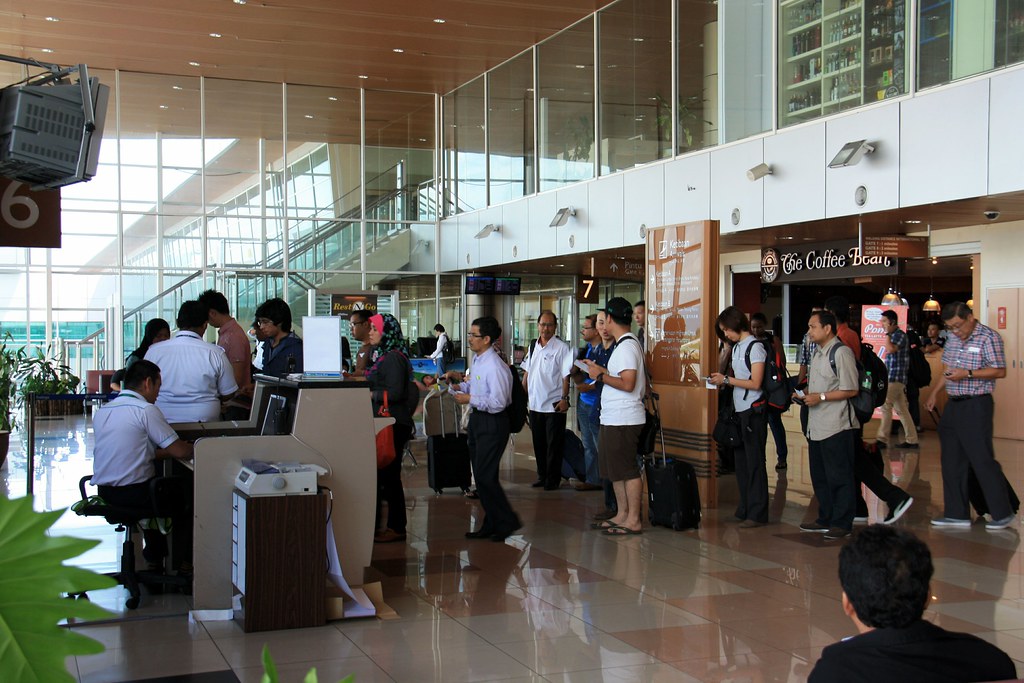
Protecting the environment in ecotourism hotspots
The Ministry is also working closely with the Ministry of Natural Resources and Urban Development and Sarawak Forestry Corporation (SFC) to mitigate environmental impacts in ecotourism hotspots, most of which lie within Totally Protected Areas (TPAs).
Ting said some of the key measures include ensuring capacity controls, which is regulating visitor numbers through booking systems and controlled access to avoid overcrowding and protect delicate ecosystems.
“We are also encouraging local community involvement in planning and management, ensuring tourism benefits rural livelihoods and safeguards cultural heritage.
“The Ministry continues to invest in sustainable tourism infrastructure such as the eco-friendly and minimal impact facilities, and at the same time, utilising digital tools such as the Sarawak Travel App and traditional media in order to further promote sustainable travel habits and highlight Sarawak’s biodiversity.
“The Ministry, through STB has been actively participating in global tourism fairs. For instance, at Internationale Tourismus-Borse Berlin (ITB) 2025, a news promotional video showcasing the state’s landscapes and heritage was unveiled.
“Through the promotional video itself, it brands Sarawak as a leading destination for sustainable tourism,” he added.
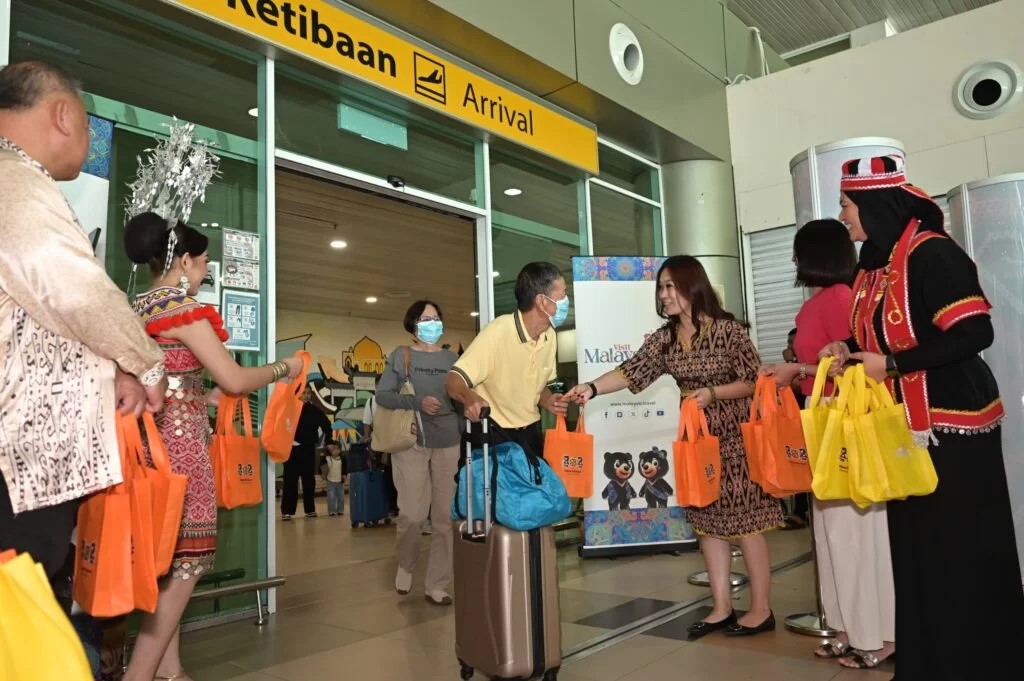
Role of youth in tourism sector and empowerment of indigenous communities
Sarawakian youth play a very important role in moving the tourism and creative sector in the state, hence Ting stated that the ministry actively engages with the youth through various initiatives.
“The initiatives include various competitions such as creative video competitions that promote Sarawak, capacity-building programmes, and funding support via the Sarawak Heritage, Arts and Culture Facilitation Fund.
“These efforts aim to nurture young talent and empower youth to contribute to the tourism and creative industries, thereby encouraging innovation, cultural preservation and economic participation at the grassroots level,” he said.
Empowering indigenous communities is also crucial, with Ting stating that the Ministry continues to implement various initiatives including training in hospitality, digital marketing, craft development, business management and communication.
“We are also provide support towards licensed homestays in indigenous longhouse communities such as Annah Rais, Bawang Assan, and Batang Ai, offering immersive experiences for visitors,” he added.
“By equipping indigenous communities with essential skills, the Ministry ensures tourism contributes to preserving local traditions, protecting the environment, and generating sustainable for rural preparations.”
(IN THE FINAL PART OF THE SERIES, WE’LL BE LOOKING AT THE MINISTRY’S CONTINUOUS EFFORT TO ENHANCE THE STATE’S TOURISM APPEAL, COMMUNITY-BASED TOURISM, AND SARAWAK’S TOURISM INDUSTRY BY 2030.)