The writer revisits Jalan Sin Chew Kee, a street near her first home in Kuala Lumpur, reflecting on how it has changed. Once a quiet row of colonial terrace houses, it is now a lively spot of cafés, restaurants, and design studios, blending the old and the new, much like the city itself.
From heritage homes to hip cafés: The transformation of old KL neighbourhood
WHEN I first arrived in Kuala Lumpur in 2014, unsure of where to live, I chose the heart of the city, close to public transport and the quiet pulse of urban life. My first residence was at the end of Jalan Galloway, facing a big mosque and the old Merdeka Stadium.
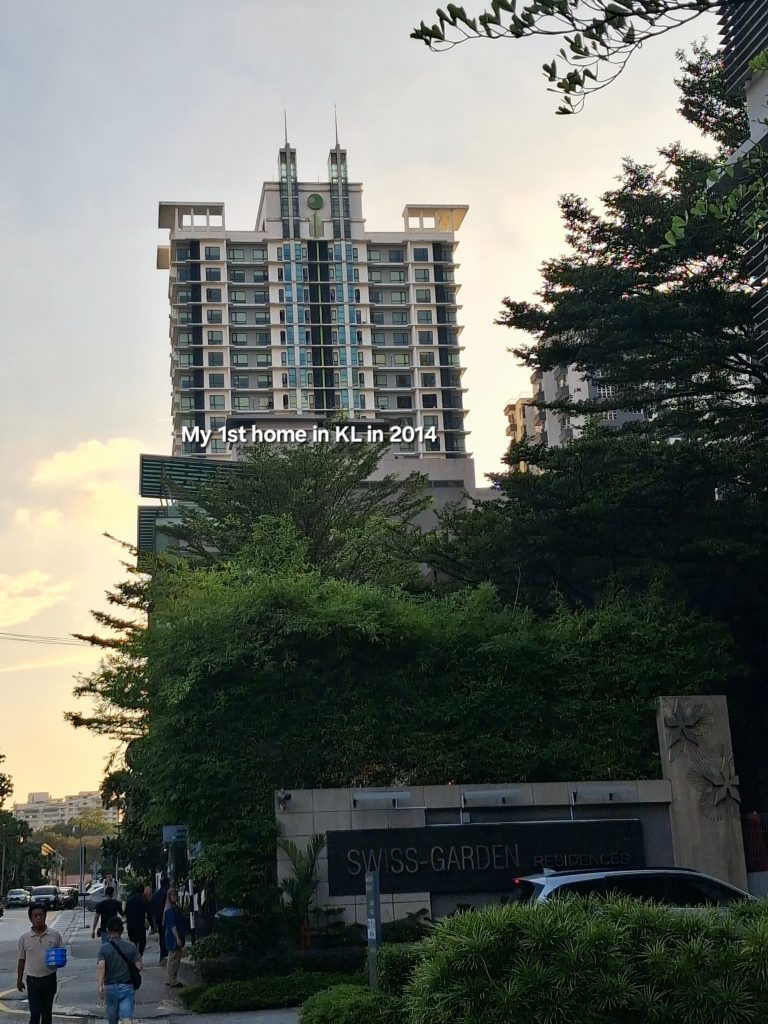
It was within walking distance of Hang Tuah station and the Kuala Lumpur Contingent Police Headquarters, with the famous food street of Jalan Alor within sight. Rent was higher than I had hoped, but the location was unbeatable. Today, that same condo faces Merdeka 118, the tallest structure in Malaysia, a powerful reminder of how swiftly this city evolves.
Back then, I often spent my free time wandering the nearby streets, especially the old street of Jalan Sin Chew Kee. This residential street, lined with two-storey colonial terraces from the 1920s, felt like a pocket of time preserved amid the city’s restless modernity. It was said to be the last old residential street in Kuala Lumpur and a living echo of gentler days.
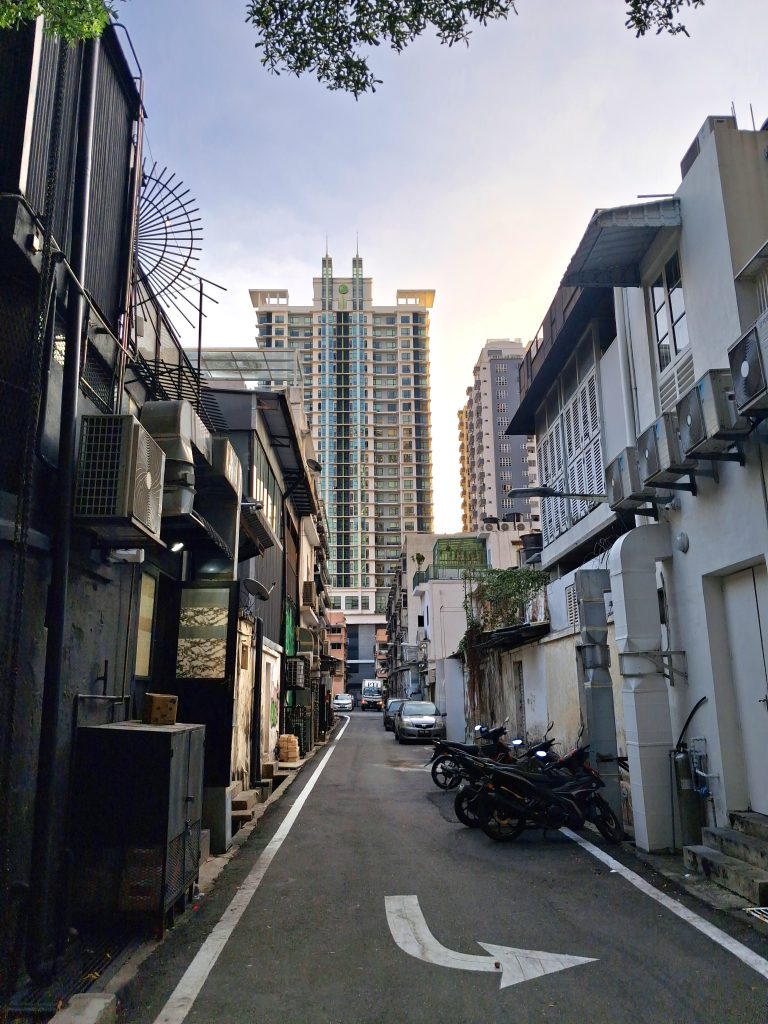
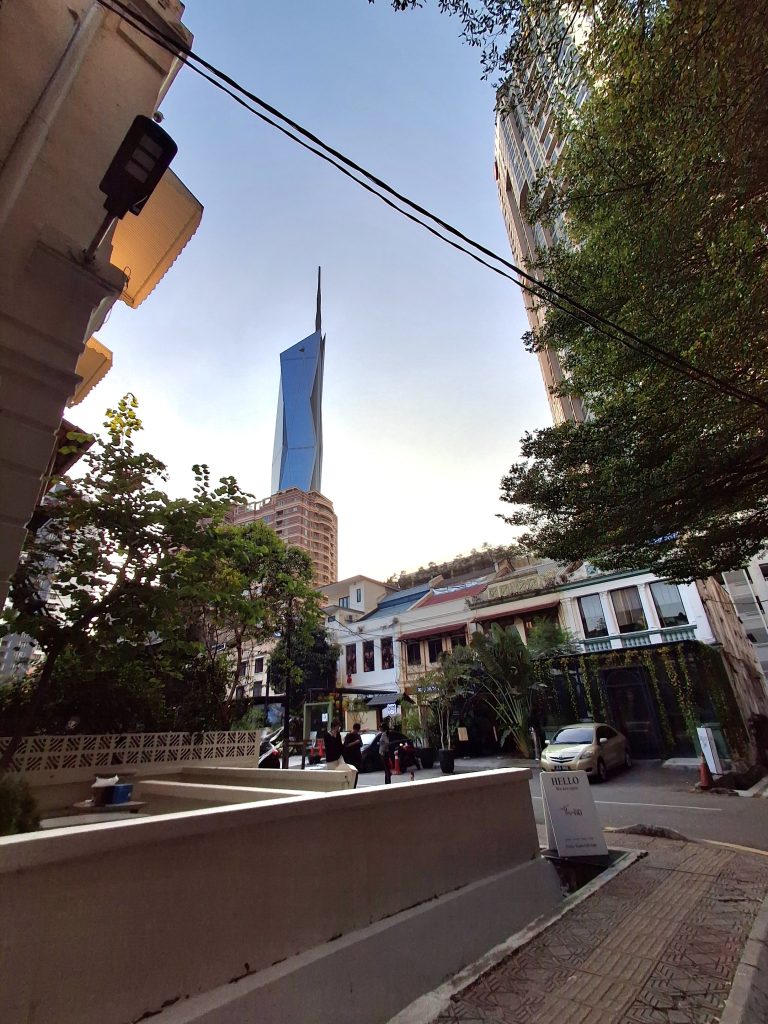
The street itself carries a slice of history, as Jalan Sin Chew Kee was named after the tin-mining business and warehouse of Yap Kwan Seng, the last Chinese Kapitan of Kuala Lumpur. Tucked in the heart of the metropolis and now surrounded by sleek high-rises and glassy condominiums, its heritage homes still exuded a quiet dignity.
I remember one terrace house draped in bougainvillea, its entrance shaded by cascading pink blossoms, a sight that always lifted my mood. Nearby, a small ‘wantan’ and ‘chap fan’ stall was run by a young man and his mother in a back alleyway. Twice a week, I would join the lunchtime crowd of office workers drawn to their comforting meals. It was simple, honest food made with care, the kind that anchors you to a place.
I also recall visiting a house owned by an internationally acclaimed landscape architect. I once went upstairs to view the space and later sipped drinks on the lower floor. Today, it is likely his own residence, very much illuminated by natural light and intimately shared with foliage.
Ten years later, just recently, after leaving an art exhibition at GMBB, the creative hub on Jalan Pudu, I found myself slipping through a familiar shortcut beside the Swiss Garden Hotel. I wanted to see what had become of the old neighbourhood where I had spent my first year in Kuala Lumpur.
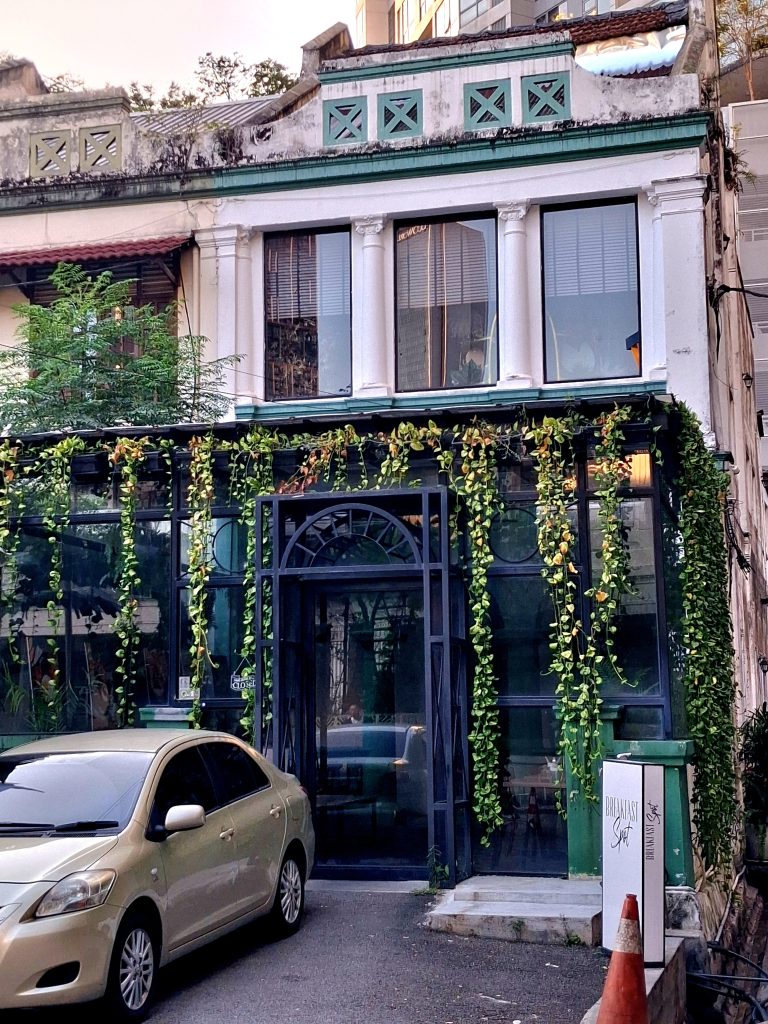
To my delight, VCR, the beloved coffee spot, was still standing, a small anchor of familiarity in a city that rarely stays still.
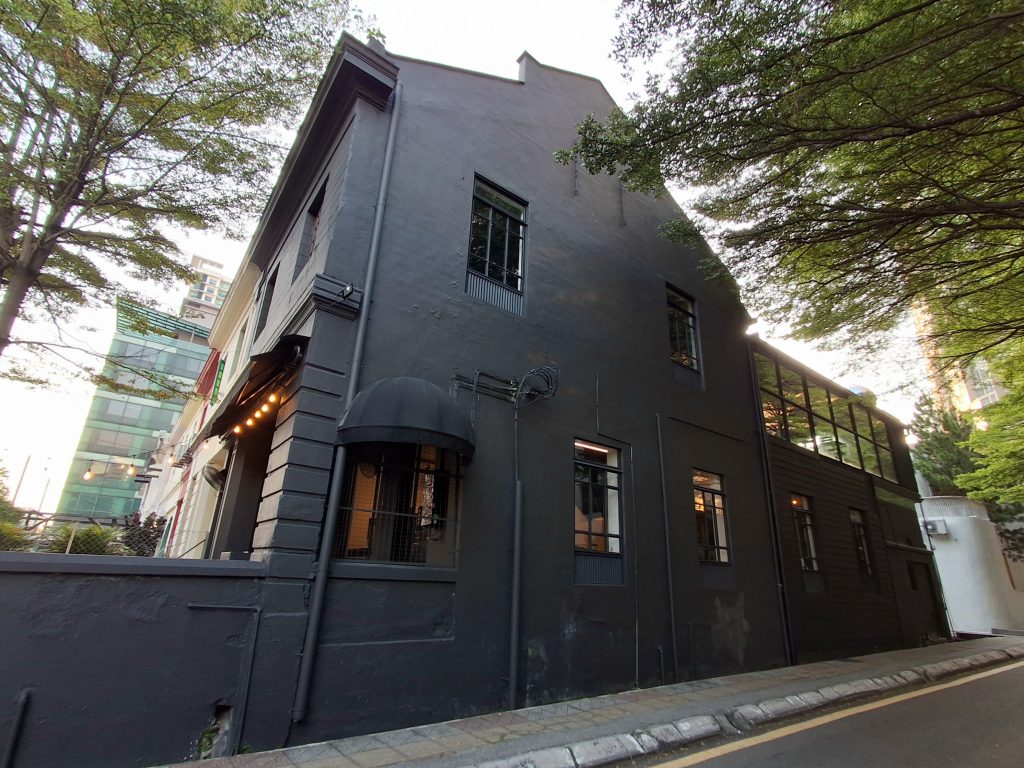
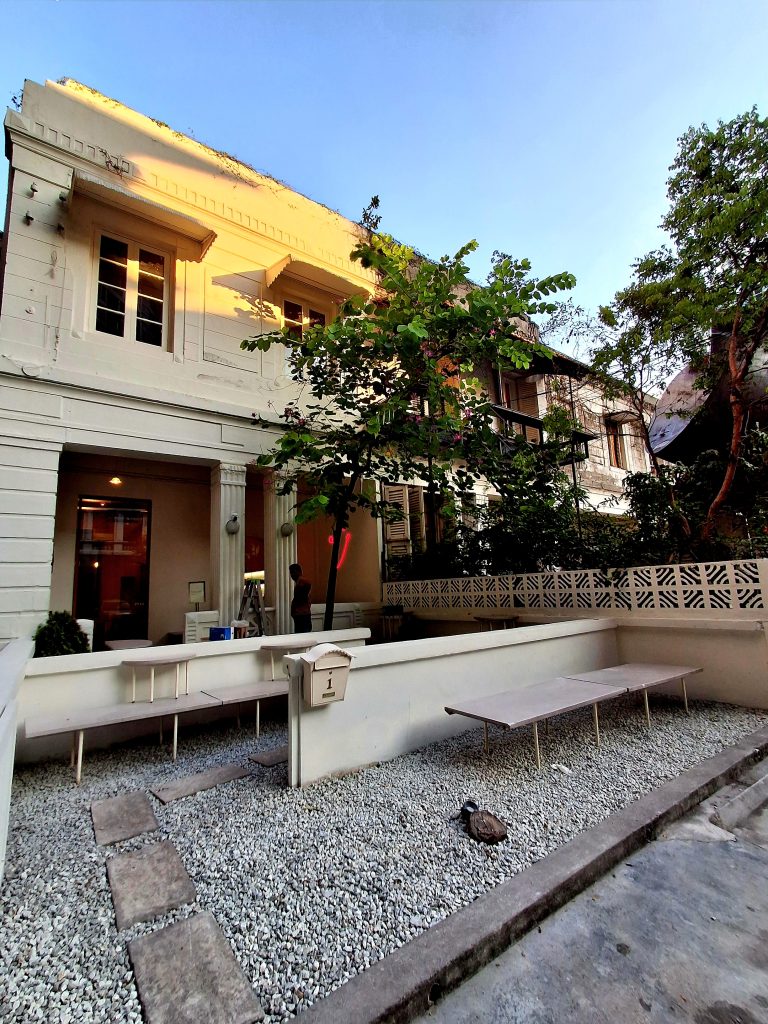
But as I wandered further along Jalan Sin Chew Kee, I realised how much had changed. The once-quiet avenue of weathered terrace houses had transformed into a chic enclave of cafés, concept restaurants, and design studios, each space breathing new life into its colonial bones.
It was beautiful, and yet bittersweet. The old-world hush had been replaced by the gentle hum of espresso machines and chatter. The terraces still stood, but their stories had shifted, modernised and reimagined for a new generation.
Many of the original residents have moved out, making way for boutique commercial spaces. As I paused before the bougainvillea-covered house, I was glad to see it remained a residence.
Yet I could not help but feel that the transformation of Jalan Sin Chew Kee mirrors the evolution of Kuala Lumpur itself, a city forever balancing memory and modernity, nostalgia and renewal.
This year, on October 31, Kuala Lumpur was named a UNESCO Creative City of Design, a fitting recognition of its dynamic spirit in creativity and the development of its design ecosystem.
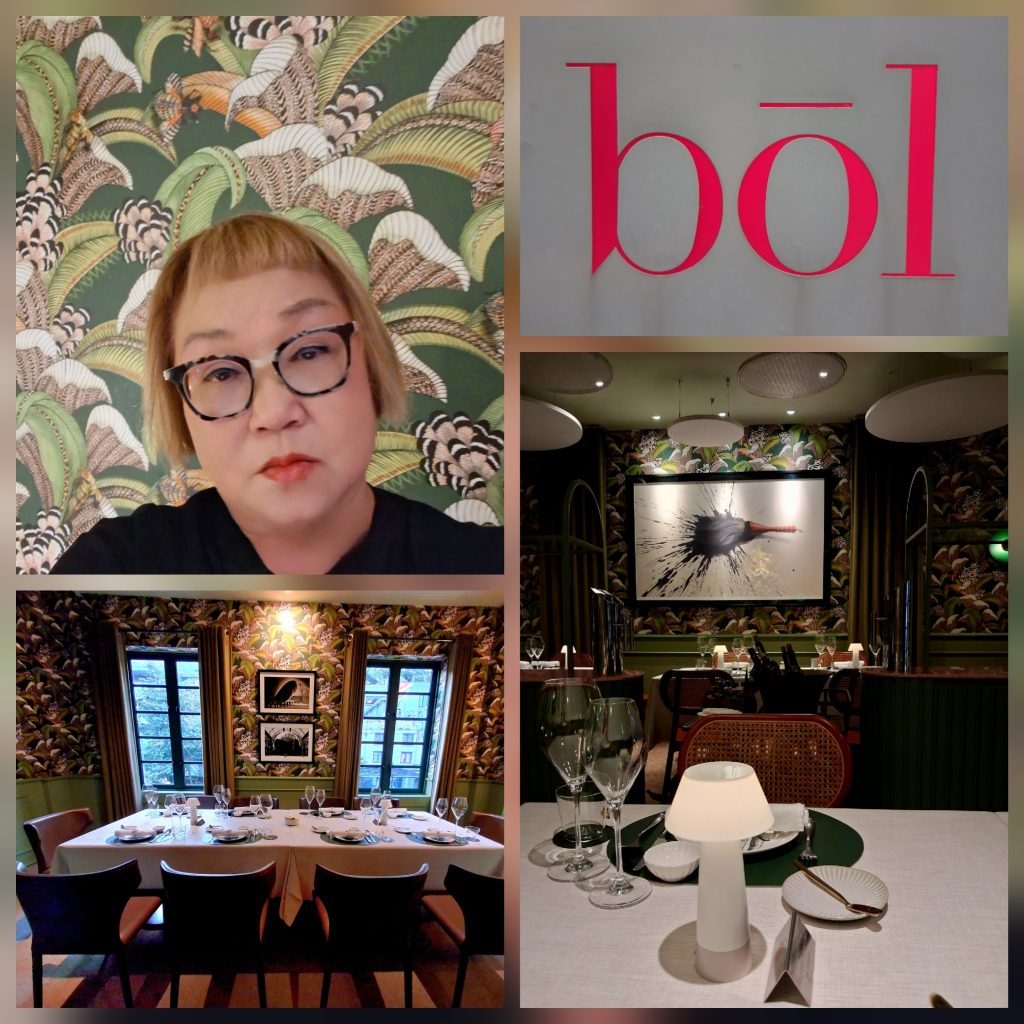
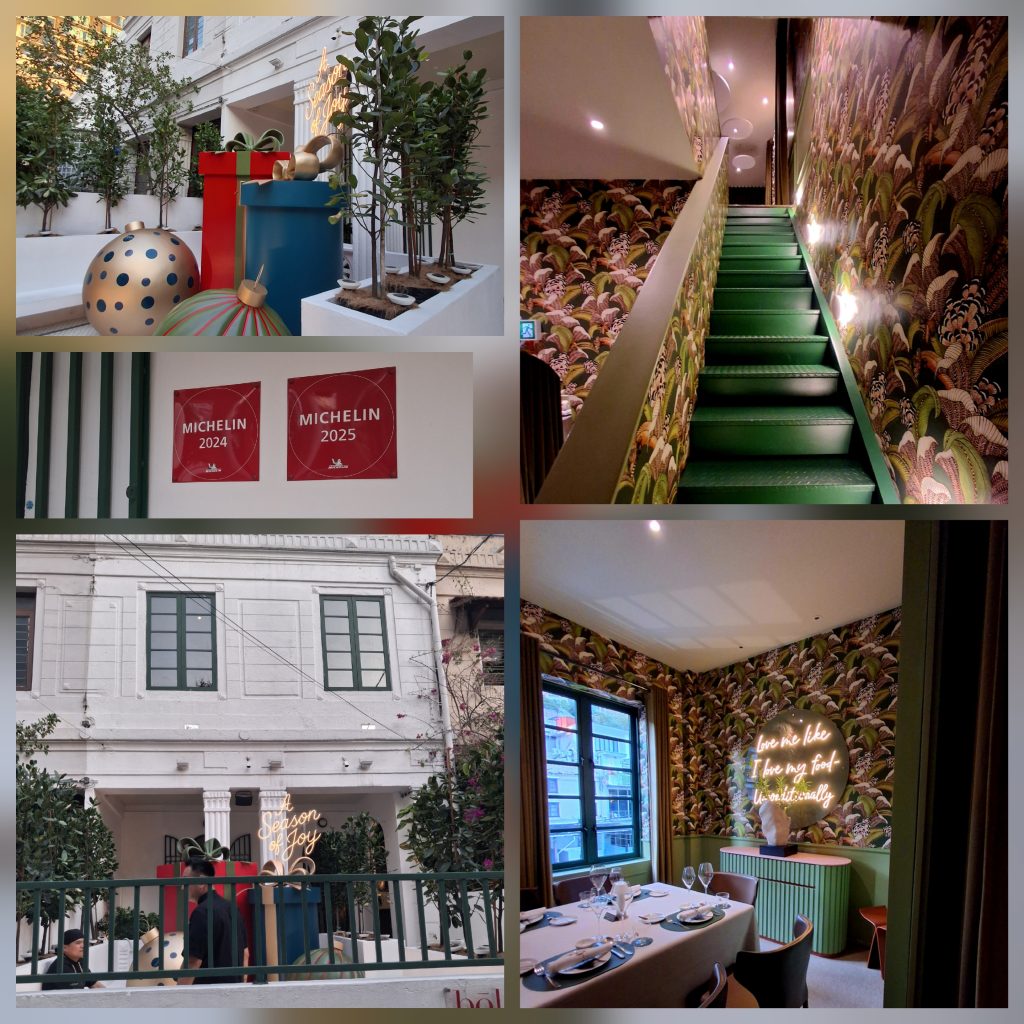
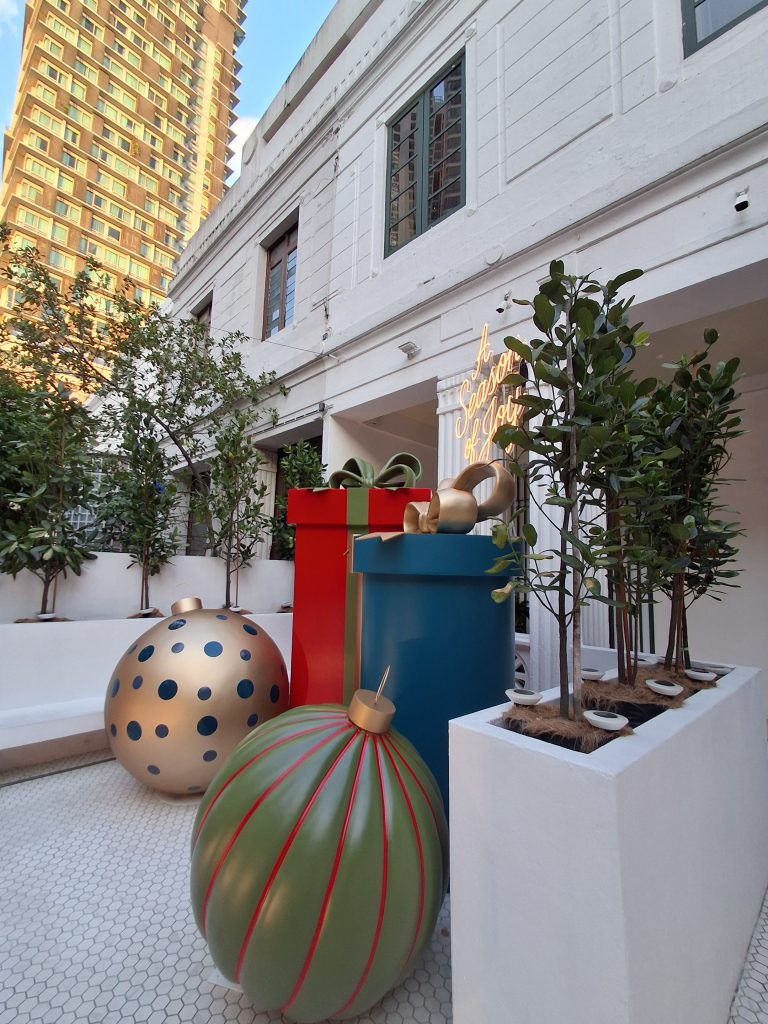
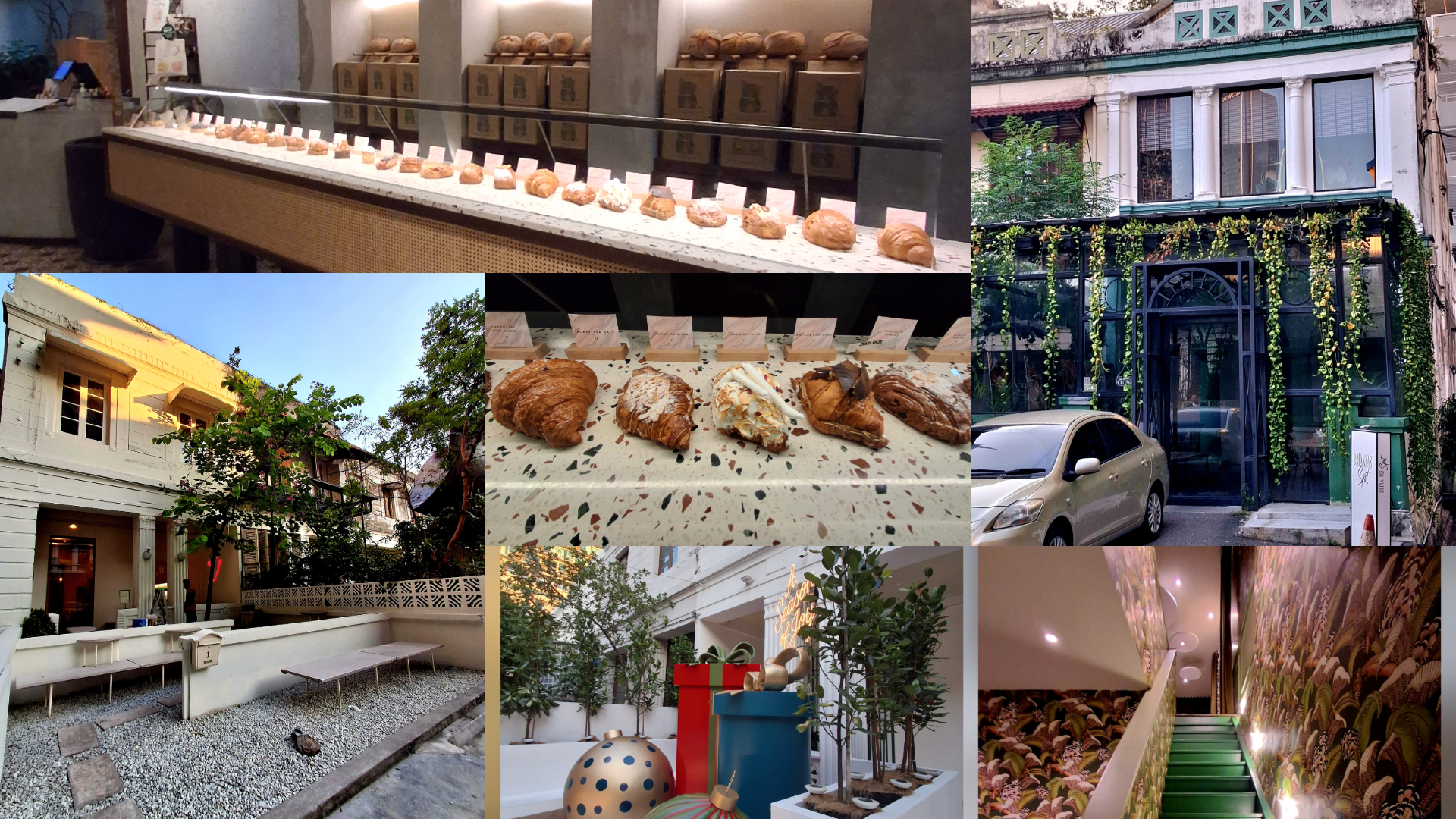
I stopped at number 15, already adorned with Christmas decorations against its pre-war colonial façade. Bōl is a Michelin-starred restaurant serving modern, reimagined Asian cuisine inspired by Nyonya flavours. I was graciously invited in, and the interior was beautifully designed, with charming corners and thoughtful details.
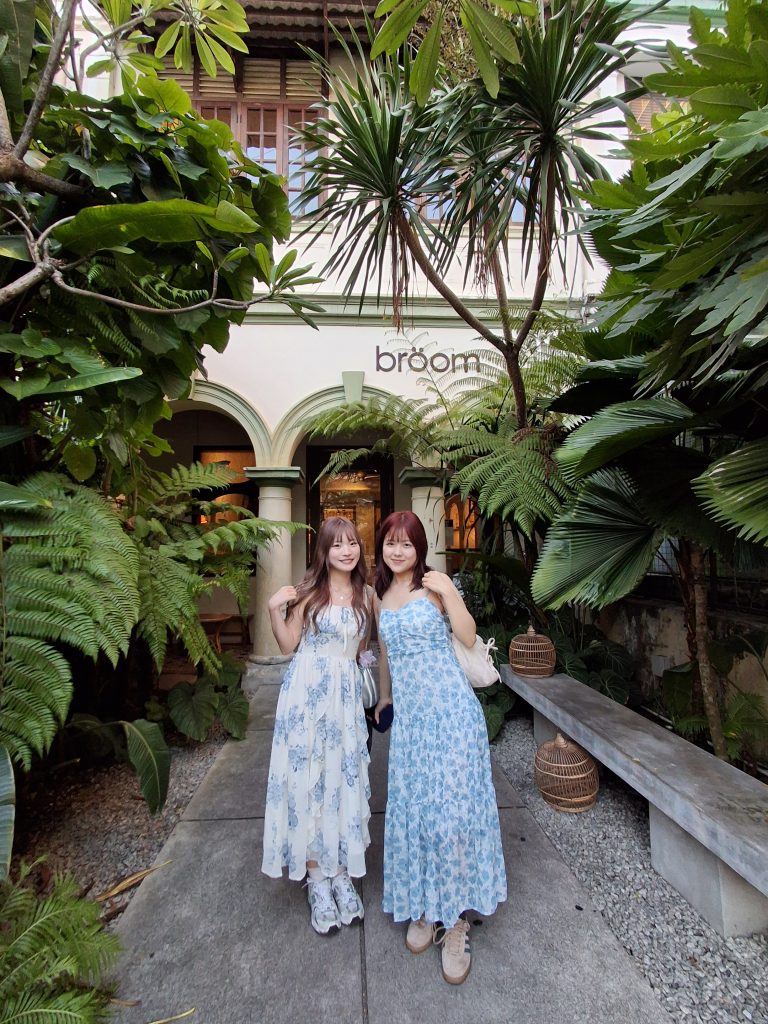
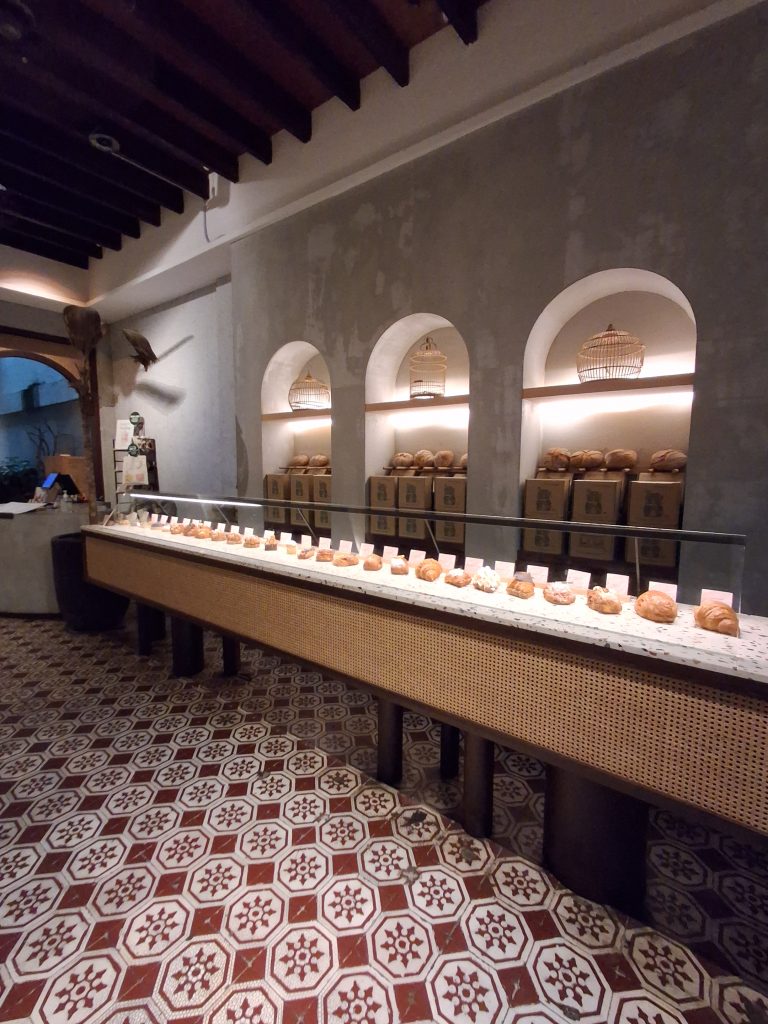
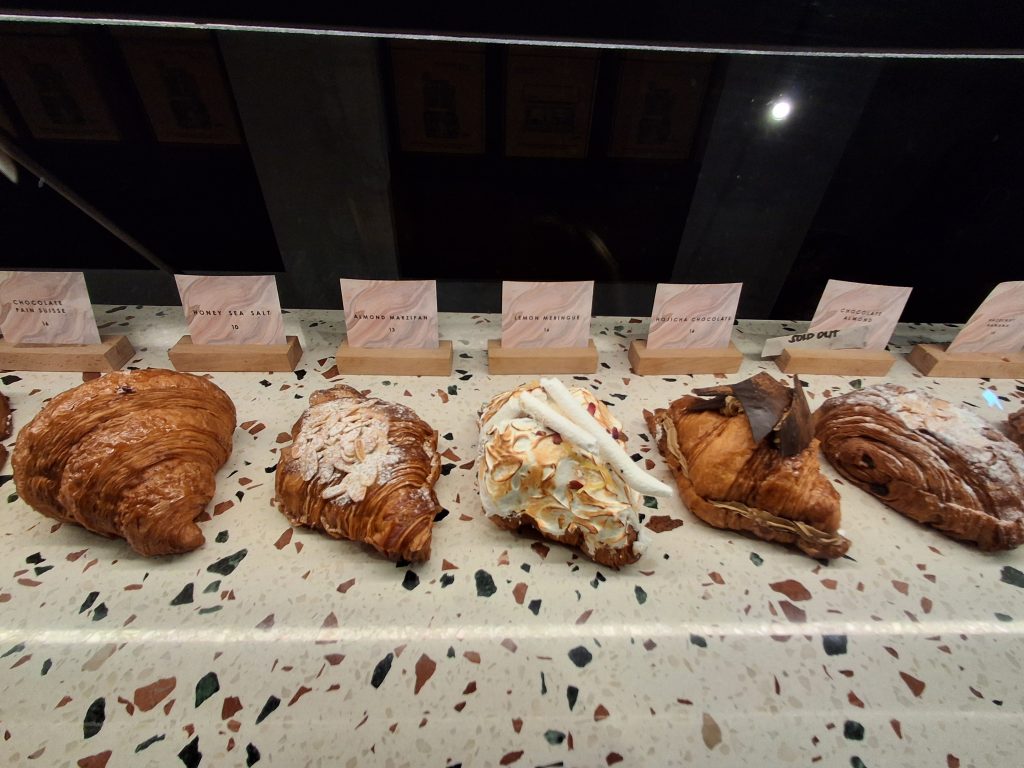
Opposite it is Bröom at No. 4 Jalan Sin Chew Kee, with a leafy entrance leading to a haven for sandwich and pastry lovers. This is where I met two lovely Japanese ladies who greeted me in their language, perhaps assuming I, too, was a tourist.
Like me, they shared a fondness for baked goods. Inside, Bröom proudly displays Malaysian heritage through its original floor tiles, windows, and the façade of this nearly 100-year-old building. I loved the artisanal bread, which was deeply satisfying.
Jalan Sin Chew Kee has changed, but its essence endures. It is a place where the past and present meet in quiet conversation. Just like Kuala Lumpur itself, it continues to evolve gracefully, restlessly, and always with heart. I looked up at my old condo and missed the hum of the old place that has quietly slipped away.