KUCHING: For many young people, gaining a place at university marks the beginning of a new chapter, bringing them closer to the careers they hope to build and the futures they envision for themselves.
But beyond securing a place in higher education, the cost of getting there can be another challenge altogether, with tuition fees, accommodation and daily expenses often weighing heavily on students and their families.
With the introduction of the Sarawak Free Tertiary Education Scheme (FTES) by the Sarawak government, however, more Sarawakian students have the opportunity to pursue their undergraduate studies with fewer financial concerns, allowing them and their families to look beyond the immediate cost of education and towards the possibilities that lie ahead.
Under the initiative, eligible Sarawakian students pursuing 64 approved undergraduate degree programmes at four Sarawak-owned higher learning institutions can have their tuition fees fully covered. These include Swinburne University of Technology Sarawak Campus (Swinburne Sarawak), Curtin University Malaysia, University of Technology Sarawak (UTS) and i-CATS University College, with programmes spanning fields such as engineering, science, medicine, law, accounting and finance.
But for students whose families also have to contend with the cost of living, the assistance goes beyond tuition fees. Those from households with a monthly per capita income of RM1,500 and below are eligible for an annual stipend of RM15,000, comprising RM5,000 for accommodation and RM10,000 for daily expenses. As at September 30, a total of 6,246 students had received FTES offers across the four institutions, of whom 3,195 qualified for the stipend.
Sharing their delight over the initiative, Swinburne Sarawak students and parents spoke about how FTES had eased their financial worries, highlighting the opportunity it provides for students to pursue higher education without placing additional pressure on their families, while allowing them to focus on their academic goals and future aspirations.
For Suzyiana Sophian, 23, the difference is already reflected in how she approaches her studies.
Born in Sarikei and raised in Sibu, she is pursuing a Bachelor of Engineering (Honours) in Mechanical Engineering at Swinburne Sarawak, driven by her interest in taking on new challenges and applying what she learns to real-life situations.
Coming from a B40 household, she said having her tuition fees covered meant she could pursue her degree without having to worry about one of the biggest expenses associated with higher education.
“As someone from the B40 income group, FTES has made it easier for me to pursue my passion without worrying about tuition fees,” she said.
Her financial responsibilities have since shifted towards miscellaneous expenses such as class materials, printing, healthcare and transportation. Even so, she continues to set aside emergency savings, recognising that financial preparedness remains important regardless of the assistance received.
Beyond obtaining her qualification, Suzyiana hopes to work with a city or municipal council, where she can apply her engineering knowledge to improving infrastructure, city planning and public services.
For her father, Sophian Kon, 49, the opportunity carries a much bigger meaning than simply saving on tuition fees. He recalled feeling proud when his daughter received an offer from Swinburne, but admitted that the cost had been a major concern.

“One semester alone already costs thousands of ringgit,” he said, adding that the family had considered taking a National Higher Education Fund Corporation (PTPTN) loan or borrowing from a financial institution to finance her studies.
The introduction of FTES brought considerable relief, as he no longer had to set aside part of his salary for her tuition fees. This also allowed him to continue supporting household expenses in Sibu and Mukah, while his second child is pursuing studies at Universiti Malaysia Sarawak (UNIMAS) in Kota Samarahan.
“Before, I thought this was impossible, only in a dream,” he said of his daughter’s opportunity to study at Swinburne Sarawak without the burden of education debt.
He hopes Suzyiana will graduate with good results, secure a job and eventually return to support the family and her siblings.
The same relief is shared by Abdul Rahman Sahari, 61, whose daughter, Nur Damia Qaisara Abdul Rahman, 21, is also pursuing mechanical engineering.
Before FTES, the retiree had planned to finance his children’s tertiary education through personal savings and monthly income, setting aside money for tuition fees, accommodation and other living expenses.
Having previously seen one of his children rely on a PTPTN loan to continue studying, he was familiar with the financial commitments involved and the concerns that came with them.
With the scheme, however, the family no longer has to stretch its savings to cover Nur Damia’s tuition fees and living expenses in Kuching.
For Nur Damia, who hails from Bintulu, this has allowed her to devote more attention to her studies, laboratory work and design projects, as well as developing practical engineering skills.
“Instead of worrying about affording upcoming semester fees or accumulating student debt, I can channel my energy and focus towards excelling in my studies,” she said.
She hopes to eventually become a registered Professional Engineer (Ir), specialising in sustainable mechanical systems, including hydroelectric turbine systems and green hydrogen infrastructure.
Her ambition is to build a career in Sarawak’s energy, manufacturing and industrial sectors, while achieving financial independence and being able to support her parents.
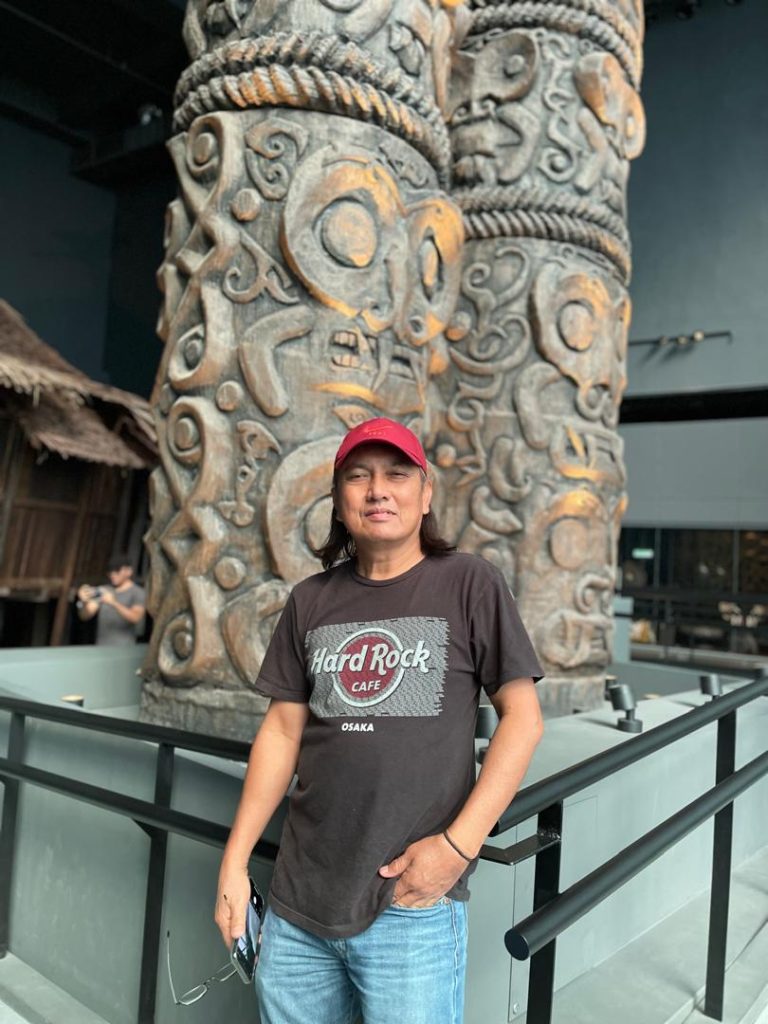
For Abdul Rahman, FTES has meant being able to prioritise his daughter’s education without compromising the family’s everyday needs.
“Most importantly, it allows us to prioritise our child’s education while maintaining our family’s daily needs and improving our quality of life,” he said.
Meanwhile, for 20-year-old Samuel Chong Jibes from Lundu, FTES has meant being able to approach university life differently from his elder sister.
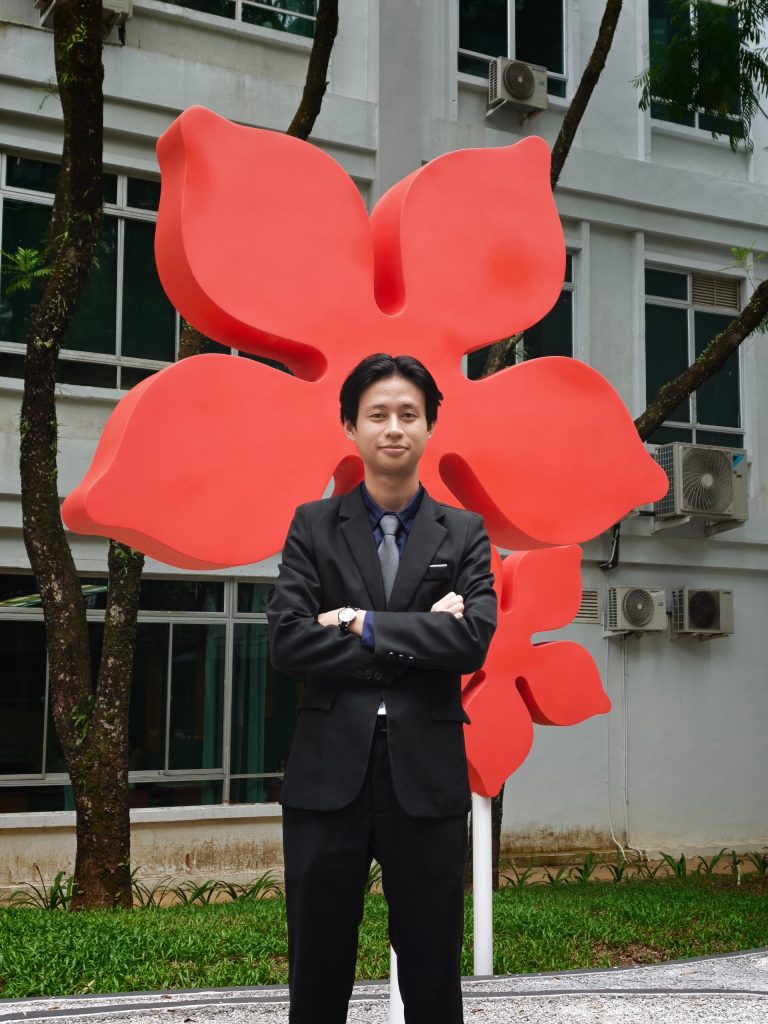
Currently pursuing a Bachelor of Business (Accounting and Finance) at Swinburne Sarawak, Samuel said his family had previously been concerned about tuition fees and the high cost of living.
His elder sister had to work part-time while studying over the past three years to help support her education. With FTES covering his tuition fees, Samuel no longer needs to take on similar work just to finance his studies.
“I am truly happy that I can now study at ease, without needing to have a part-time job while studying just to support my studies, like my elder sister had to do,” he said.
This has allowed him to concentrate fully on his academic commitments without placing additional financial pressure on his parents.
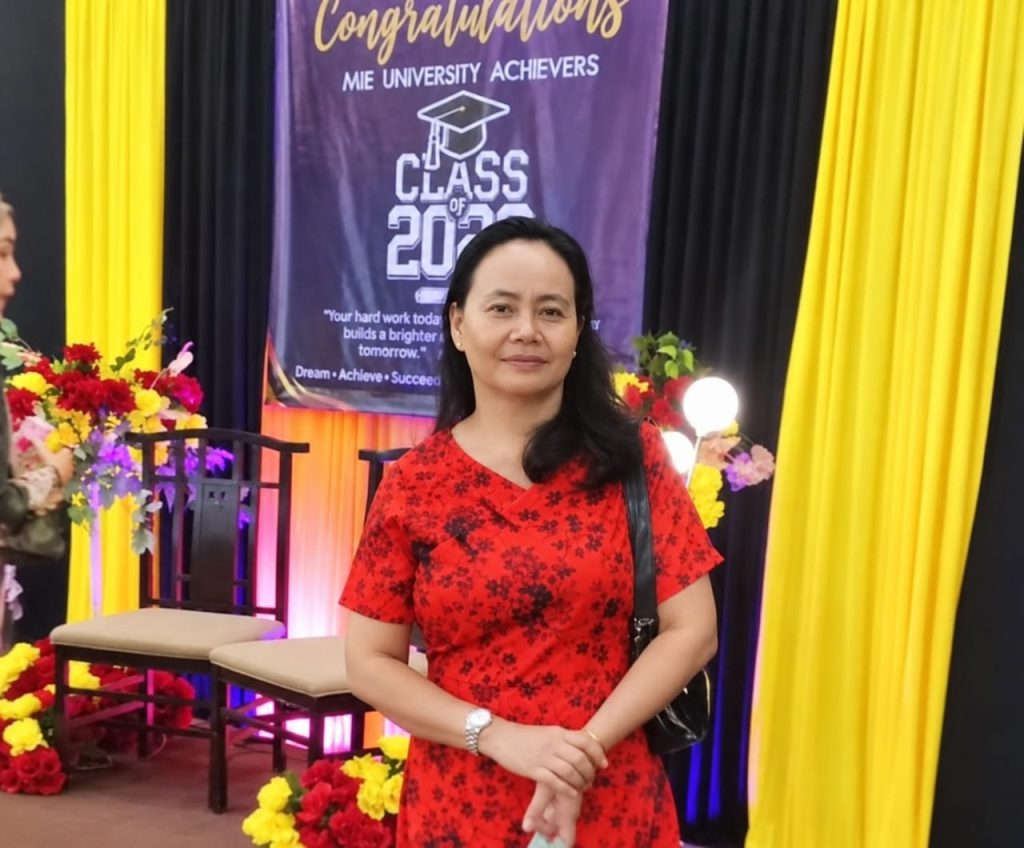
His mother, Jibes Subeh, 50, said the family had initially planned to use their savings to ensure Samuel could secure a place at a higher learning institution.
“Tuition fees were a major concern for us, especially with the high cost of living nowadays,” she said.
With the assistance, she said, it had become easier for the family to manage its living expenses while supporting his education.
After graduating, Samuel hopes to establish a stable career in accounting and finance, support his family in Lundu and use his knowledge to help local businesses grow.
For another young Sarawakian, 19-year-old Ferdinen Tonny from Kapit, the opportunity has opened a pathway towards pursuing a field he has long been interested in.

Currently studying for a Bachelor of Science in Biotechnology at Swinburne Sarawak, Ferdinen said his interest in biology and chemistry during secondary school eventually led him to choose the course.
“FTES has greatly helped to ease my financial burden by covering my tuition fees,” he said. He is also eligible for the stipend, which helps cover food, groceries and other daily expenses.
Looking ahead, Ferdinen hopes to secure employment in Sarawak after graduating, where he can put his knowledge and skills to use while improving his family’s circumstances.
Although the four students come from different backgrounds and are pursuing different fields, their aspirations share a common thread. Each hopes to turn the opportunity into a meaningful career, improve their families’ circumstances and contribute to Sarawak in their own way.
For their parents, meanwhile, seeing their children pursue higher education without the same financial worries is already a considerable difference. What once required years of savings, difficult financial decisions or the possibility of taking on education loans has become a more manageable journey, allowing their children to look beyond the cost of getting a degree and towards what they hope to achieve with it.