KAPIT: Once defined by its dependence on river transportation and limited road connectivity, Kapit has undergone a gradual transformation over the past five years, with improvements to infrastructure, educational facilities and public amenities reshaping the inland division.
The expansion of road connectivity has been among the most significant changes, reducing the town’s dependence on river transportation while opening up opportunities for businesses, residents and communities in the interior.
For generations, the Rajang River served as the lifeline connecting Kapit to the rest of Sarawak. Today, the town is increasingly connected through a growing network of roads and bridges, complemented by investments in education, recreational facilities and rural infrastructure.
Although challenges remain, particularly in connecting settlements deep in the interior, developments between 2021 and 2026 reflect a wider effort to transform Kapit into a more accessible inland centre.
A road that changed everything
Perhaps no infrastructure project has had a greater impact on Kapit than the Sibu to Kapit Road.
The 110km road, connecting Sibu to Kapit through Kanowit and Song, was opened in stages.
On October 4, 2020, then Chief Minister Datuk Patinggi Tan Sri Abang Johari Tun Openg led a motorcycle convoy from Sibu to Kapit, marking the opening of the road connection.
The remaining Ngemah to Temalat stretch was opened to public use on October 8, 2020, initially operating under scheduled hours while construction continued. The remaining works were expected to be completed by December 1, 2020.
However, in May 2024, Works Minister Datuk Seri Alexander Nanta Linggi referred to the overall road project as having been completed in October 2021.
The road provided a direct land connection between the two towns, reducing travelling time to approximately one hour and 45 minutes, compared with several hours by express boat.
Private vehicles and bus services offered greater flexibility for residents travelling for work, education and healthcare, while businesses could transport goods more conveniently.
Its impact on river transportation was considerable.
As more passengers opted for land transportation, passenger numbers on express boats declined, and operators gradually withdrew from the Sibu to Kapit route.
In January 2023, the final Sibu to Kapit express boat completed its last journey, marking the end of a longstanding river connection between the two towns.
However, Kapit remained an important departure point for services to settlements further upriver, particularly Belaga and Punan Bah, where river transportation continued to be essential.
The Belaga to Kapit service eventually ended in early 2026, leaving the Punan Bah route as the last regular express boat connection from Kapit.
The road was also the result of years of efforts by local leaders, including the late Tan Sri Datuk Amar Dr James Jemut Masing, who consistently pushed for better connectivity in the Upper Rajang region.
As Baleh assemblyman and former Minister for Infrastructure and Ports Development, Masing championed road networks linking Sibu, Kanowit, Song and Kapit, as well as improved access to communities in the interior.
However, increased vehicle numbers also brought new challenges, particularly traffic congestion within Kapit town.
In June 2022, the Sarawak government approved RM348 million for road and electricity supply improvements in Kapit Division. Of this amount, RM190 million was allocated for road widening and traffic light improvements in Kapit town to address congestion.
Bridges opening up the interior
Beyond the main Sibu to Kapit route, bridge infrastructure has played an important role in improving accessibility across the division.
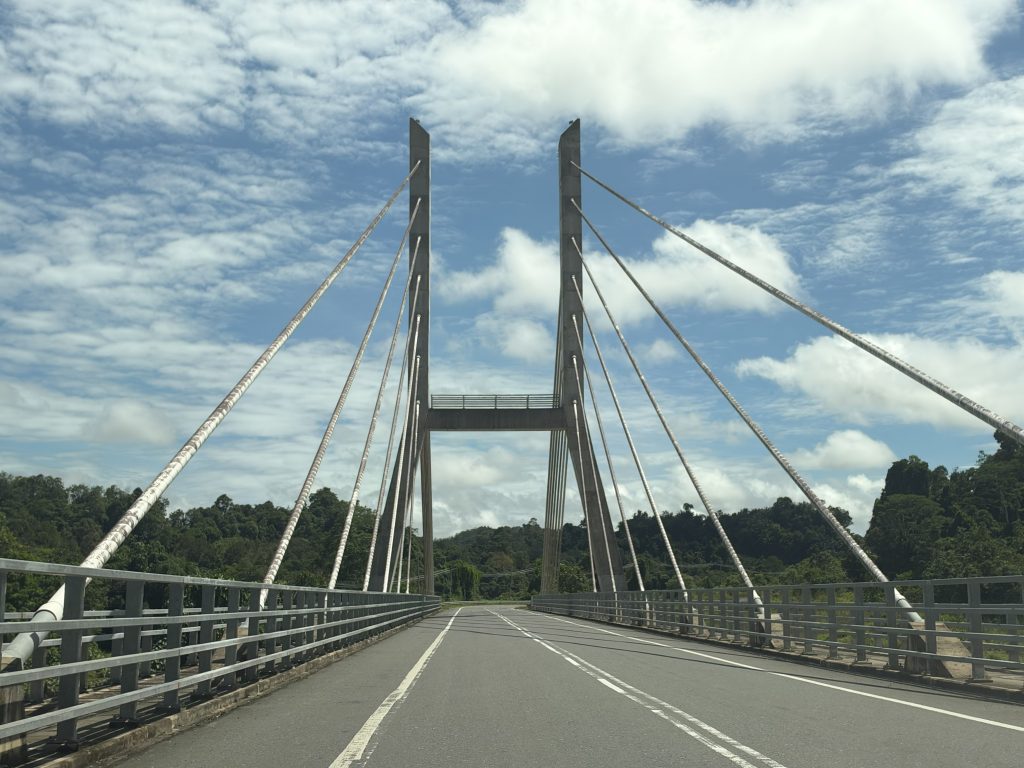
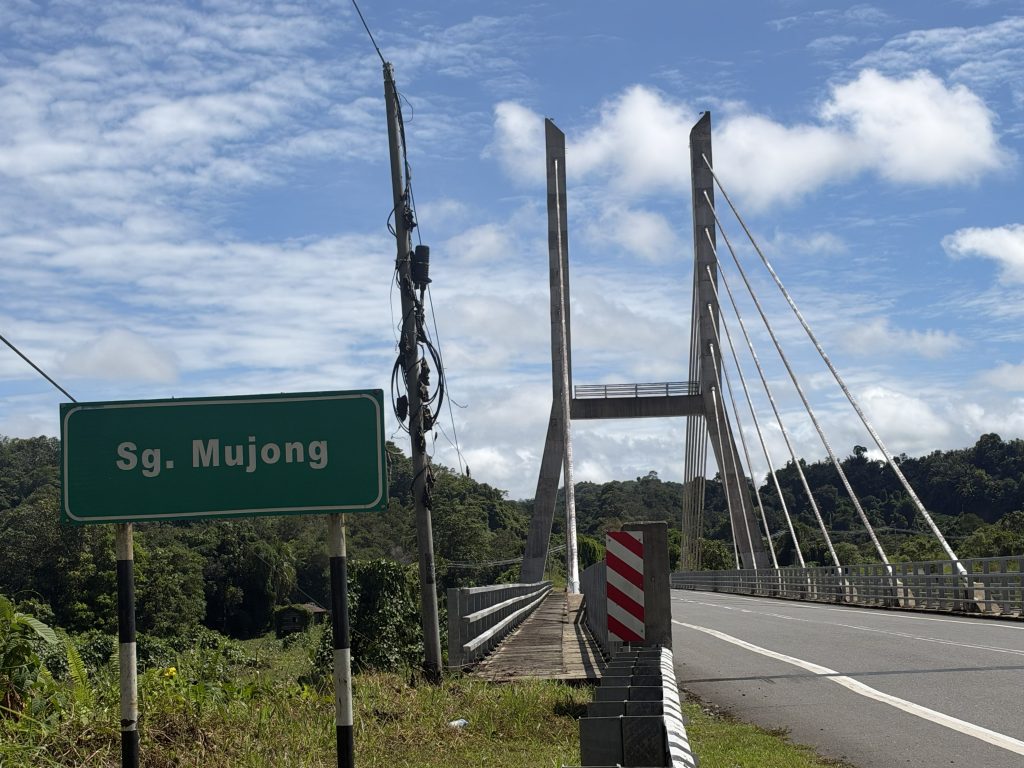
Among the notable structures are the Ulu Yong Twin Bridge, Nanga Mujong Bridge and Baleh Bridge, which form part of the wider network connecting Kapit to surrounding settlements and the interior.
The Nanga Mujong Bridge, completed in 2020, provides an important connection towards the Baleh Hydroelectric Project (HEP) area and surrounding communities.
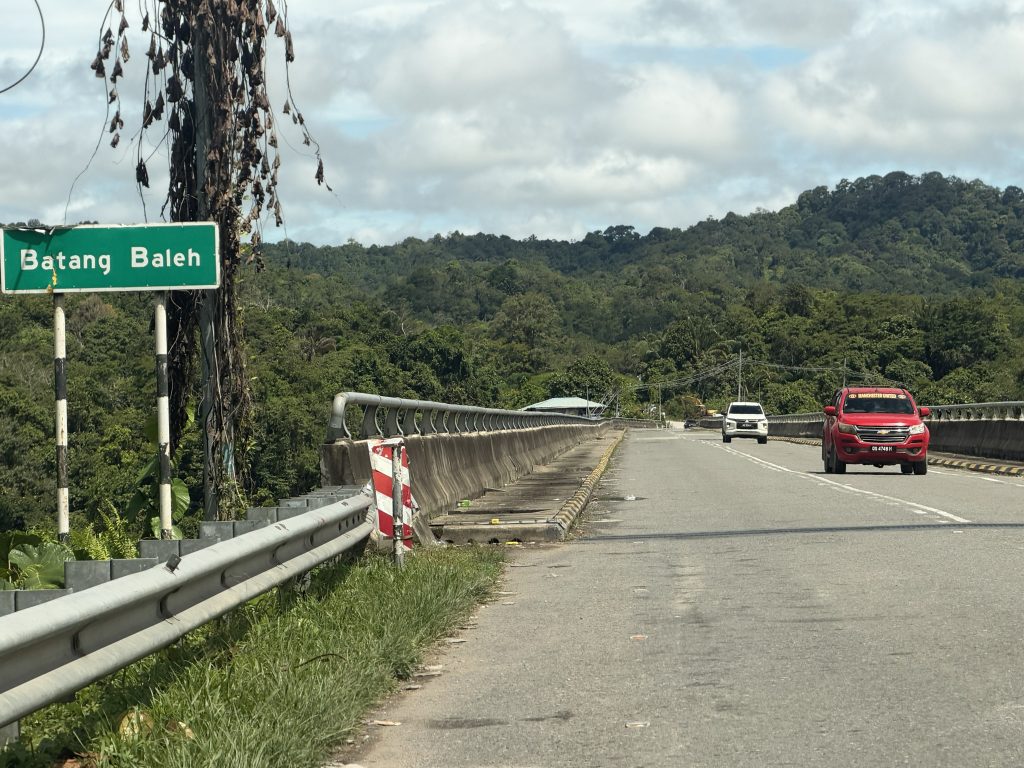
The Baleh Bridge further strengthens the road network serving settlements along the route towards the hydroelectric project.
These developments were closely associated with Masing’s longstanding efforts to improve connectivity in his Baleh constituency and the wider Upper Rajang region.
The wider network includes an approximately 103km access route connecting Kapit town to the Baleh HEP site.
In August 2024, the access road from Nanga Mujong towards the Baleh HEP area was 97 per cent complete, with the remaining works involving approximately 9km of road and a bridge.
The continuing development of this network is important in extending road connectivity beyond Kapit town and towards communities that have traditionally depended on river transportation.
A changing townscape along the Rajang
Improvements within Kapit town have also contributed to its evolving landscape, particularly along the Rajang River.
One of the most visible developments is the Kapit Waterfront, which has traditionally served as an important landmark and transportation hub.
With the shift towards road travel, the waterfront has gradually taken on a different role, increasingly serving as a recreational space and gathering point for the community.
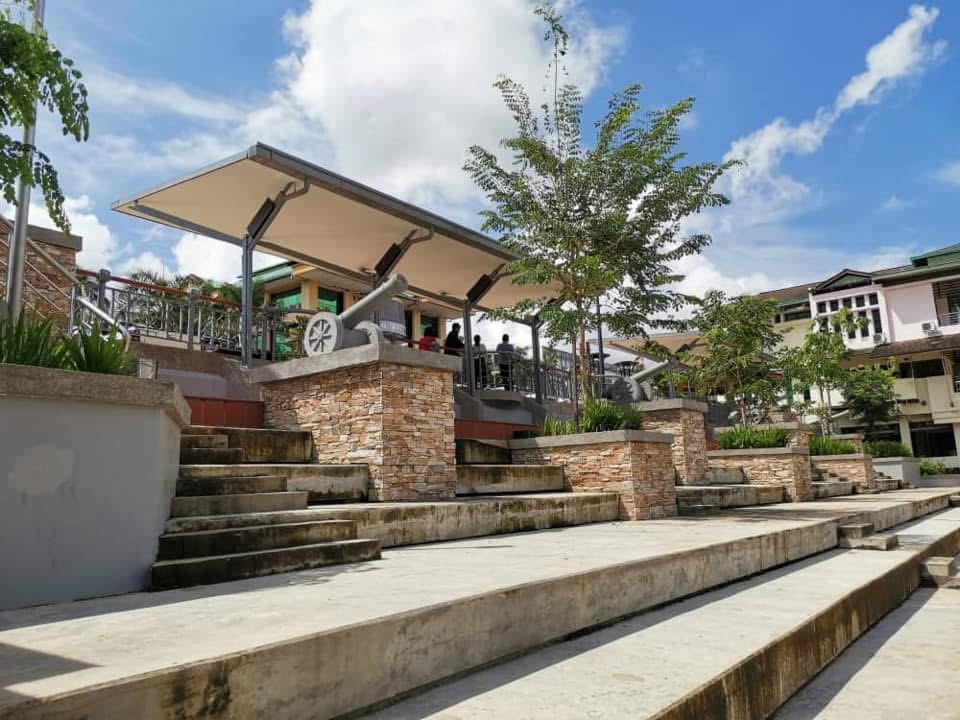
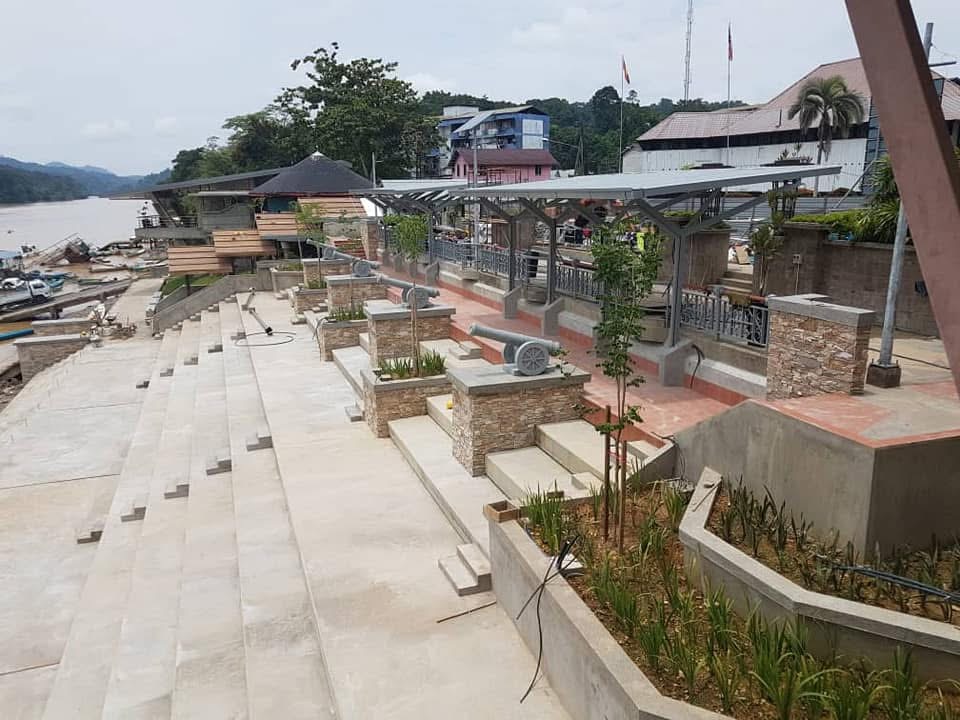
A significant milestone came in June 2025 with the completion of Phase Two of the waterfront development.
The RM10.3 million project involved riverbank and slope stabilisation works, as well as an extension of the existing waterfront along Batang Rajang.
Nanta officiated at the completion launch in July 2025.
The development provides additional space for recreational and community activities while giving the historic waterfront a renewed purpose.
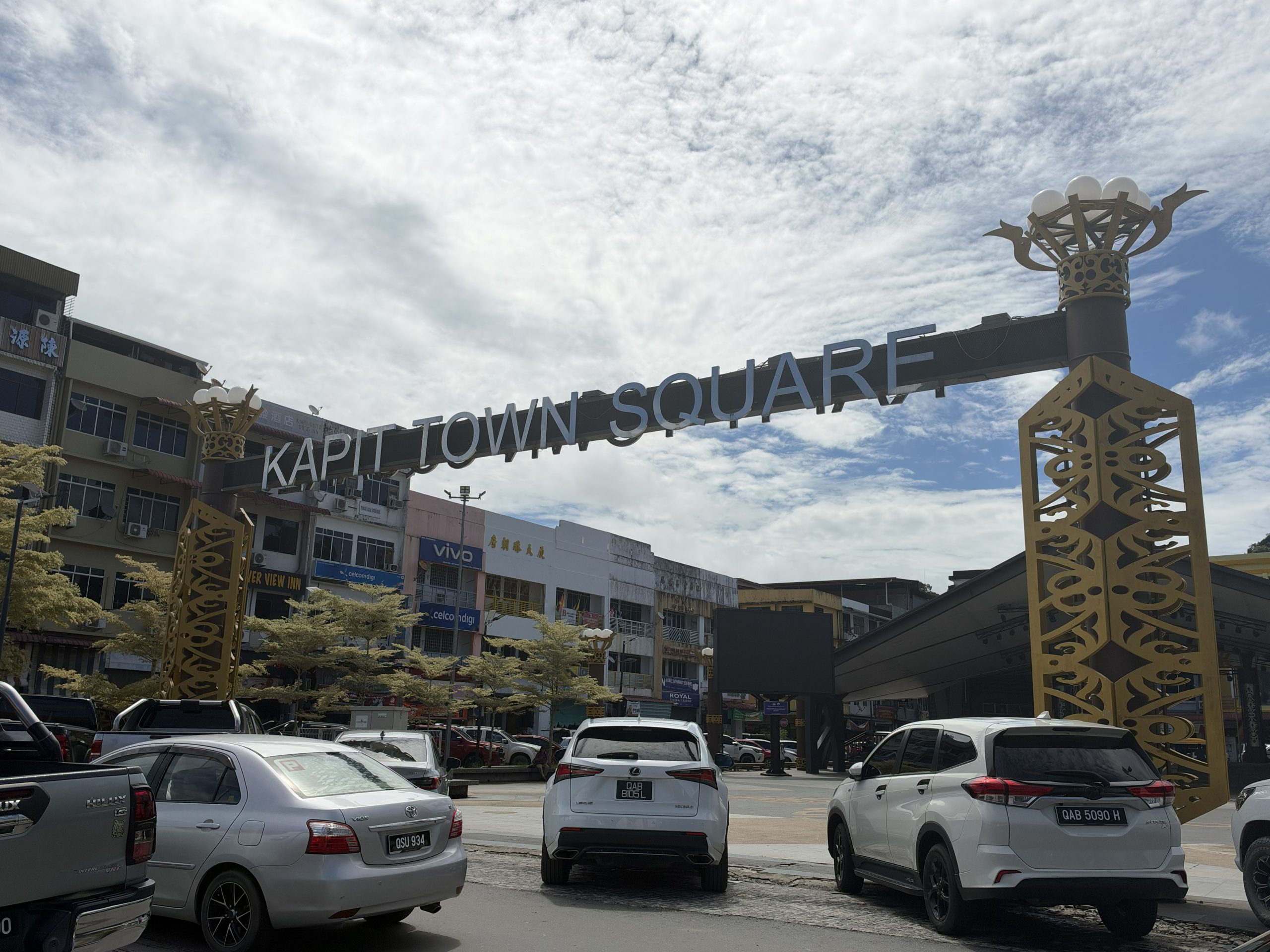
Kapit’s recreational landscape also includes the Town Square and Lily Pond.
The Town Square was officially opened in October 2020 following an upgrading project costing approximately RM3 million.
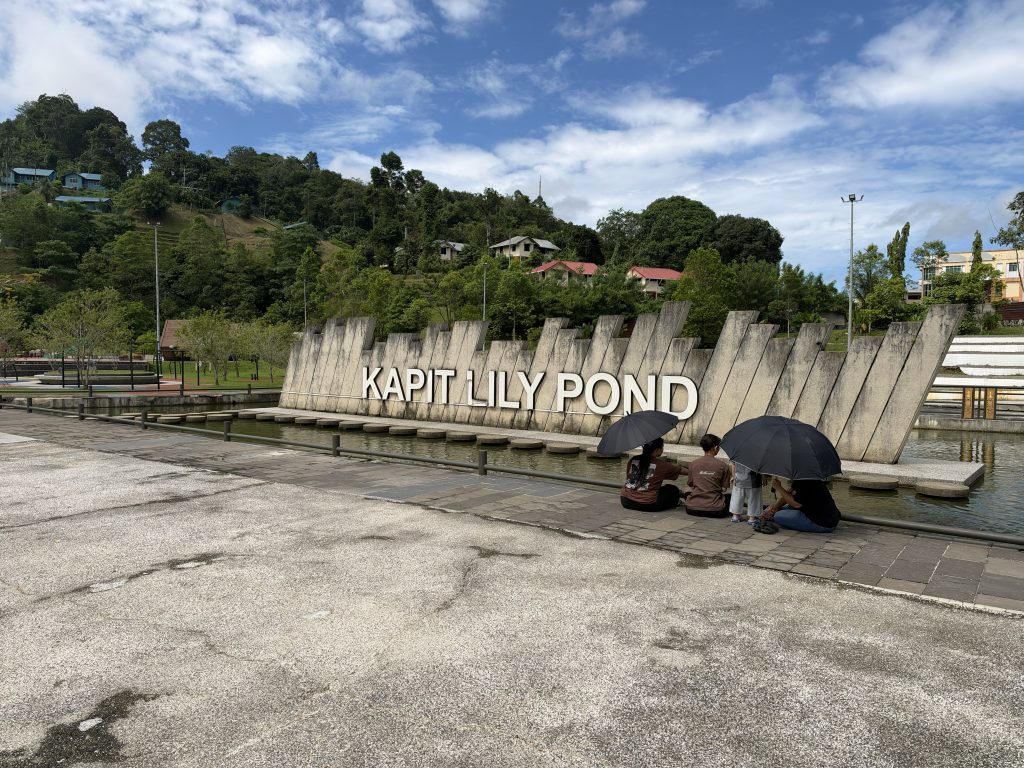
The Kapit Lily Pond, meanwhile, underwent a RM12 million upgrading project and reopened towards the end of 2020.
Its facilities include an eatery, gazebo, children’s corner, fitness area and a 1.2km walking and jogging path.
In December 2021, approximately 12,000 fish fry were released into the ponds as part of efforts to further develop the recreational attraction.
Together, these public spaces provide residents with places to gather, exercise and spend time with their families.
Investing in education and future generations
Development in Kapit has also extended to education, with improvements to existing schools and plans for new educational institutions.
One significant project was the redevelopment of Sekolah Kebangsaan (SK) Kampung Baru Kapit, which had previously been categorised as a dilapidated school.
The RM12.84 million redevelopment was completed in November 2025, providing the school with new four-storey academic and administration blocks.
The facilities include classrooms, science rooms, a resource centre, teachers’ offices and administrative rooms.
The redevelopment benefits approximately 260 pupils and 33 teachers, providing a more conducive environment for teaching and learning.
Another major development is the proposed construction of a new Sekolah Menengah Kebangsaan (SMK) Bukit Goram.
The project, valued at more than RM100 million, was approved under the 12th Malaysia Plan, with implementation expected to begin in 2026 or 2027 and completion targeted for 2030.
The proposed school will include an academic block with 36 classrooms, a Special Education Integration Programme block with five classrooms, an administration block, a canteen and a school hall.
Kapit is also set to benefit from a new Kolej Profesional MARA (KPM) campus.
The acceptance letter for the approximately RM79 million project was handed over in June 2025.
With a capacity for up to 300 students, the proposed campus will include academic and administrative blocks, a library, student centre, cafeteria and hostels.
The campus is expected to provide young people in Kapit and surrounding rural communities with more opportunities to pursue further education and skills development closer to home.
Development reaching beyond Kapit town
While improvements within the town centre are increasingly visible, development efforts have also continued towards communities in the interior.
In June 2025, Deputy Premier Datuk Amar Douglas Uggah Embas announced that 40 infrastructure projects worth RM1.233 billion were being implemented or planned in Kapit Division.
Of the total, 19 projects had been completed, five were under construction with a combined value of RM116 million, while another 16 projects worth RM721 million were expected to be tendered that year.
Among them was the Nanga Ibau/Ulu Sungai Ibau Road project, valued at RM99.9 million.
The project involves constructing a 12.5km road, three iron bridges and supporting facilities, with completion targeted for May 2028.
It is expected to benefit 11 longhouses comprising 219 households and almost 1,900 residents, while improving access to Nanga Ibau Health Clinic and two primary schools.
Other rural road projects include the Nanga Tulek to Rumah Mujah route in Nanga Pelagus, forming part of efforts to improve access for communities away from the main town.
These developments highlight the continuing importance of extending infrastructure beyond Kapit town, particularly for communities that have long faced challenges accessing basic services.
A proposed road link across the interior
Looking beyond current projects, Kapit’s longer-term development ambitions include plans for a wider road network connecting communities across Sarawak’s interior.
During the Sarawakku Sayang Programme in Kapit on June 2026, Nanta outlined a proposed Central Spine Road linking Kapit, Belaga and Baram.
The Works Minister and Kapit MP said the proposal involved upgrading the existing Jiwa Murni Road and extending it towards Belaga before continuing to Baram.
The proposal builds on the main Kapit Division road project announced by Prime Minister Datuk Seri Anwar Ibrahim in September 2024, which is intended to connect settlements across Batang Rajang, starting from Song to Kapit.
Nanta said the longer-term vision included connecting the proposed route with the Sabah-Sarawak Link Road, potentially extending connectivity towards Lawas and Limbang.
Improved connectivity is expected to create economic opportunities and improve access for rural communities that continue to depend on river transportation.
The proposed Central Spine Road remains a longer-term development ambition, with the objective of connecting existing and planned road networks across the interior.
Looking towards the future
In November 2025, Premier Datuk Patinggi Tan Sri Abang Johari Tun Openg said Kapit was expected to become a modern township within five years, supported by major infrastructure projects and improvements to basic amenities.
The vision includes improvements to water and electricity supply, road connectivity, resettlement and socioeconomic development.
The past five years have brought significant changes, from improved road connections and bridges to upgraded educational facilities, recreational spaces and a more developed waterfront.
Yet, the journey is far from complete.
For communities deep in the interior, access to roads, reliable utilities, healthcare and education remains an important development priority.
The challenge ahead will be ensuring that progress in the town centre translates into meaningful improvements for people throughout Kapit Division.
For a town whose history has always been closely intertwined with the Rajang River, the period from 2021 to 2026 represents an important transition.
Kapit is gradually moving beyond its traditional identity as a river-dependent settlement, building a stronger network of roads, bridges, educational facilities and public spaces that will shape its future as an important inland development centre in Sarawak.