KUCHING: Opposition fragmentation could benefit Gabungan Party Sarawak (GPS) in the 13th Sarawak election, as multi-cornered contests risk splitting votes among voters seeking political change.
Political sociologist Professor Dr Novel Lyndon said divided opposition ranks could allow GPS candidates to emerge victorious even without securing an absolute majority of votes, particularly in constituencies where two or three opposition parties compete against one another.
He said the outcome of multi-cornered contests was heavily influenced by voter behaviour, local political dynamics and the ability of parties to consolidate their respective support bases.
“From a political sociology and voter behaviour perspective, multi-cornered contests can significantly influence election results, especially when several opposition parties compete against the same ruling coalition,” he said.
Novel, from the Faculty of Social Sciences and Humanities at Universiti Kebangsaan Malaysia (UKM), explained that opposition vote-splitting could create a situation where GPS wins with the largest share of votes despite a combined majority supporting other candidates.
Using a hypothetical example, he said GPS could secure 40 per cent of votes against three opposition candidates who obtain 30, 20 and 10 per cent respectively.
Although 60 per cent of voters would have voted against GPS, the ruling coalition would still win because it received the highest individual share.
However, he cautioned against assuming that all opposition supporters would automatically unite behind a single candidate in a straight fight, as voters’ preferences were shaped by factors beyond party affiliations.
“Voters do not always make decisions based on party ideology. Many are influenced by personal relationships, family networks, ethnic and community identity, candidate reputation, and past experiences with elected representatives,” he said.
He noted that these considerations were particularly significant in rural Sarawak, where personal connections, community involvement and a candidate’s reputation could strongly influence voting decisions.
In urban constituencies, however, issues such as government accountability, economic opportunities and the rising cost of living could carry greater weight.
Novel also highlighted the possibility of strategic voting, whereby voters might choose candidates they believed had a stronger chance of winning rather than simply supporting their preferred political party.
He said competing opposition parties with similar campaign promises but no agreement on a common candidate could also create confusion and disappointment among voters.
Nevertheless, he stressed that multi-cornered contests did not automatically guarantee GPS victories, as strong opposition candidates, dissatisfaction with incumbents and changing voter sentiments could still produce unexpected outcomes.
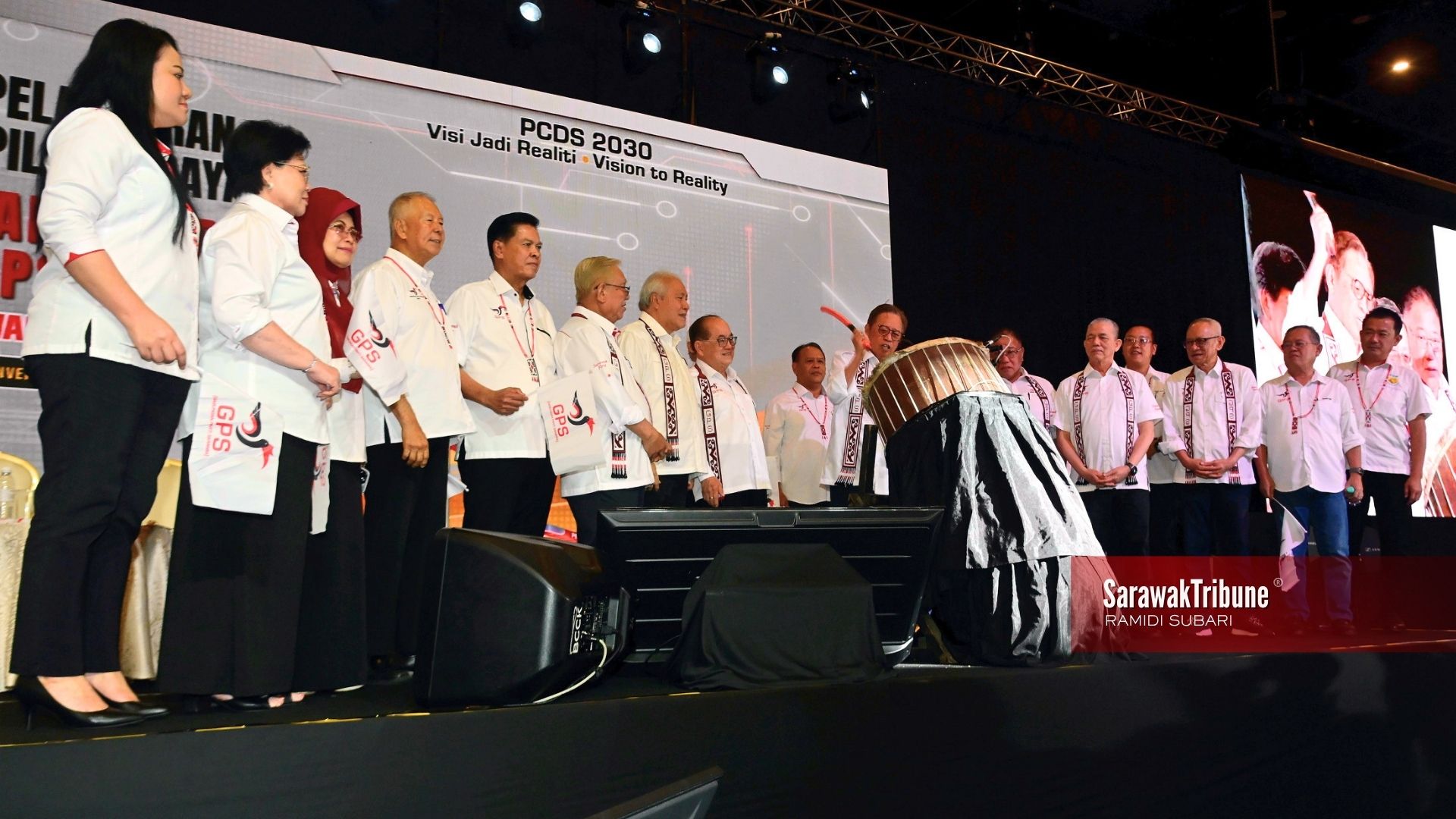
His assessment comes as GPS prepares to announce its 82 candidates on Nov 25, ahead of nomination day on Nov 28, while Barisan Nasional (BN) and PAS have decided not to contest the election.
DAP has also expressed an interest in avoiding multi-cornered contests, although Parti Bumi Kenyalang (PBK) has indicated its intention to contest independently.
These developments make opposition coordination, candidate selection and constituency-level competition crucial factors in determining the electoral landscape.
Novel said GPS’ established political organisation and support networks generally placed it in a stronger position when opposition parties competed against one another.
However, he emphasised that the final outcome would ultimately depend on candidate credibility, voter turnout, local issues and the ability of political parties to maintain meaningful relationships with communities.
“The important point is that elections are not won simply by having more candidates, louder campaigns or stronger social media publicity. They are won by building public trust and maintaining meaningful relationships with voters,” he said.
He added that Sarawak voters were becoming increasingly demanding and political parties could no longer rely entirely on traditional support or party symbols.
“Elections should not be treated as a ‘touch and go’ exercise, but as a continuous commitment to ‘touch and caring’ for the people,” he said.