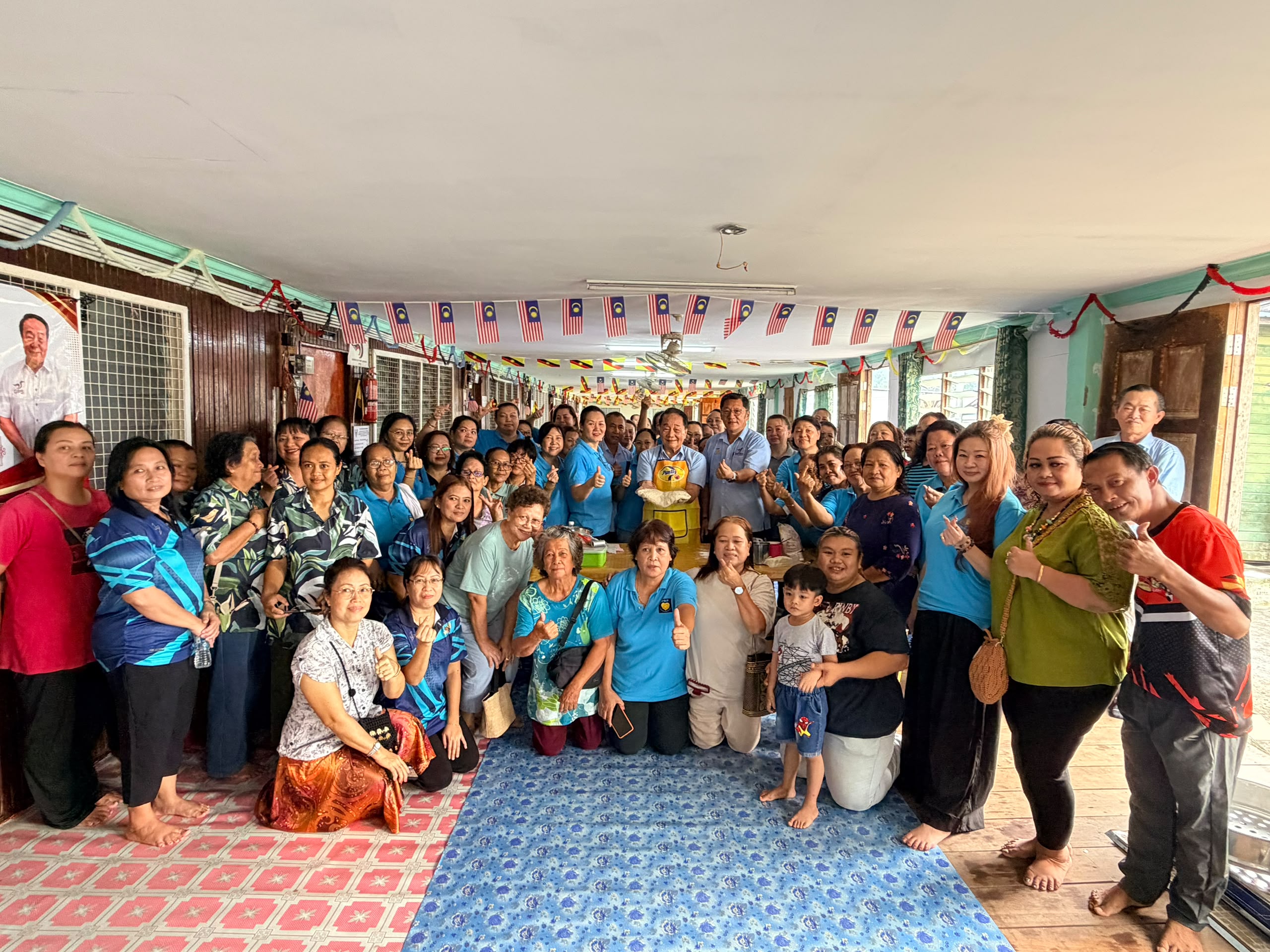
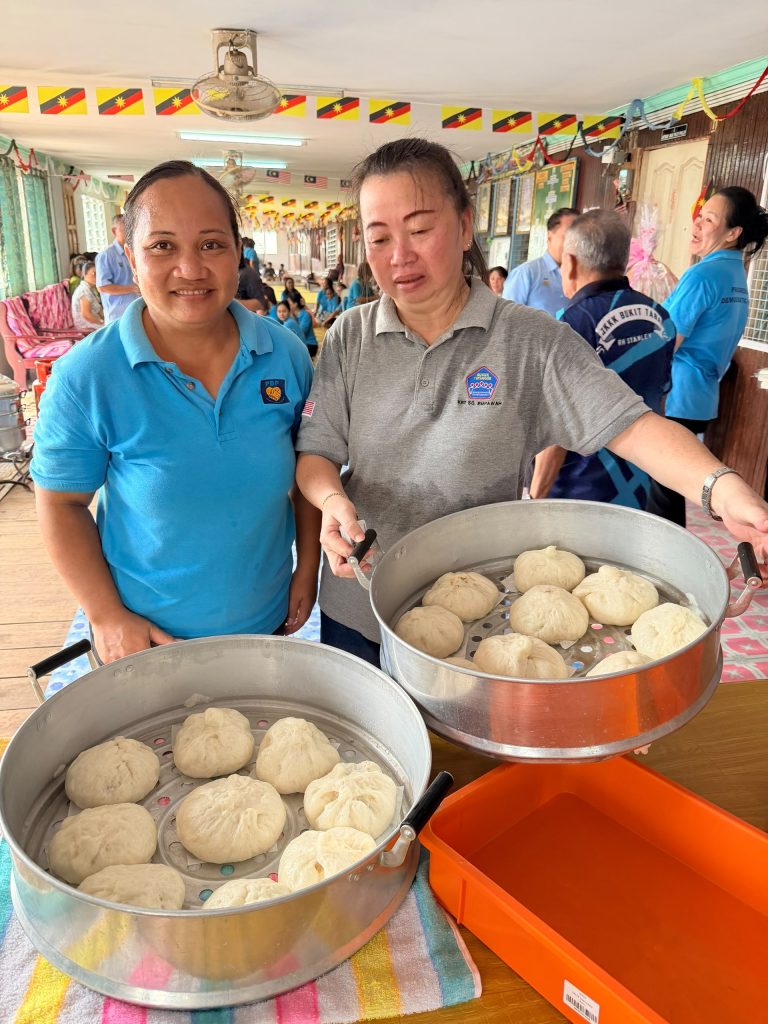
SIBU: A pau-making demonstration at Rumah Stanley Duck near here on Saturday (Aug. 22) brought Chinese and Iban communities together while highlighting how practical skills could create supplementary household income.
Organised by the Progressive Democratic Party (PDP) Bawang Assan Women Wing, the programme featured a pau-making demonstration and community skills sharing session involving local Iban women, Chinese community members and community leaders.
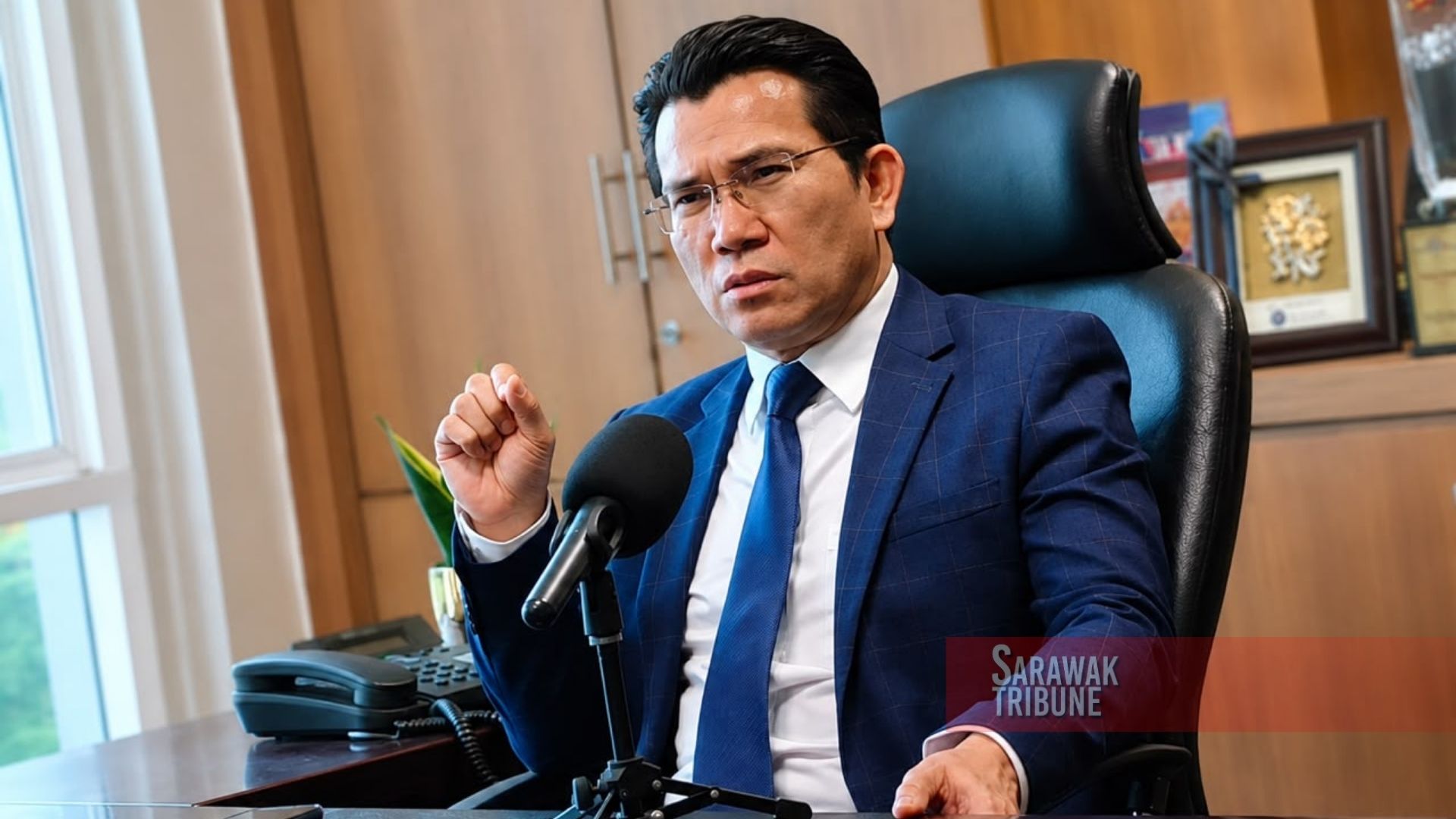
Guest of Honour, Bawang Assan assemblyman Datuk Seri Wong Soon Koh said the programme was more than a cooking activity, describing it as an opportunity for communities to exchange culture, skills, knowledge and experiences.
“Food has always been one of the best ways to bring people together,” he said when declaring open the programme.
Wong, who is also PDP senior vice president said the sharing of food traditions could help strengthen mutual understanding and appreciation between communities, particularly in Sarawak, where cultural diversity remains one of its greatest strengths.
He said he was encouraged by the participation of Iban women in the pau making demonstration, saying the skills acquired could potentially be developed beyond the one-day programme.
He suggested that participants could eventually make pau at home for sale within the longhouse, to neighbouring communities or even develop the activity into a small home-based business.
“If we can move from learning a skill, to producing a product, to finding a market, then this simple pau making demonstration can become part of our wider effort to improve household income and create opportunities for our rural communities,” he said.
Wong stressed that community development should not only focus on physical infrastructure, but also on empowering residents with practical skills and opportunities that could generate tangible benefits for families.
“This is the kind of development that I would like to see – development that begins with the people, uses the skills of our people and ultimately benefits our people,” he said.
Beyond its potential economic value, Wong said the programme also demonstrated the importance of strengthening ties between Chinese and Iban communities.
He called on the participants to continue sharing knowledge, culture and opportunities, while helping one another to build stronger and more resilient communities.
“In Sarawak, we have something very precious: our diversity and our ability to live and work together as Sarawakians. We should continue to build on this strength,” he said.
Wong also expressed appreciation to the organisers, demonstrators, Chinese community members and Iban women who took part in the programme, urging participants to make full use of the skills gained from the session.
He hoped the pau making activity would serve as more than a one-off community gathering, but could become a starting point for greater skills development, cultural exchange and small-scale economic opportunities at the grassroots level.