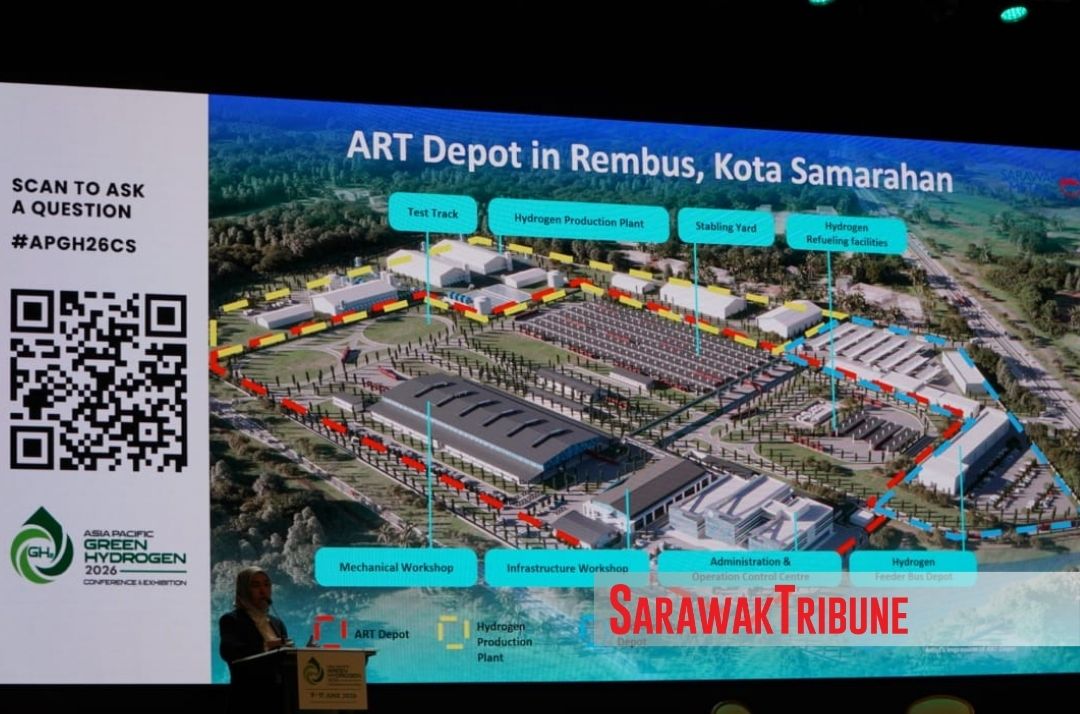
KUCHING: The development of the integrated Rembus Depot in Kota Samarahan is set to play a crucial role in supporting the operations of the Autonomous Rapid Transit (ART) network.
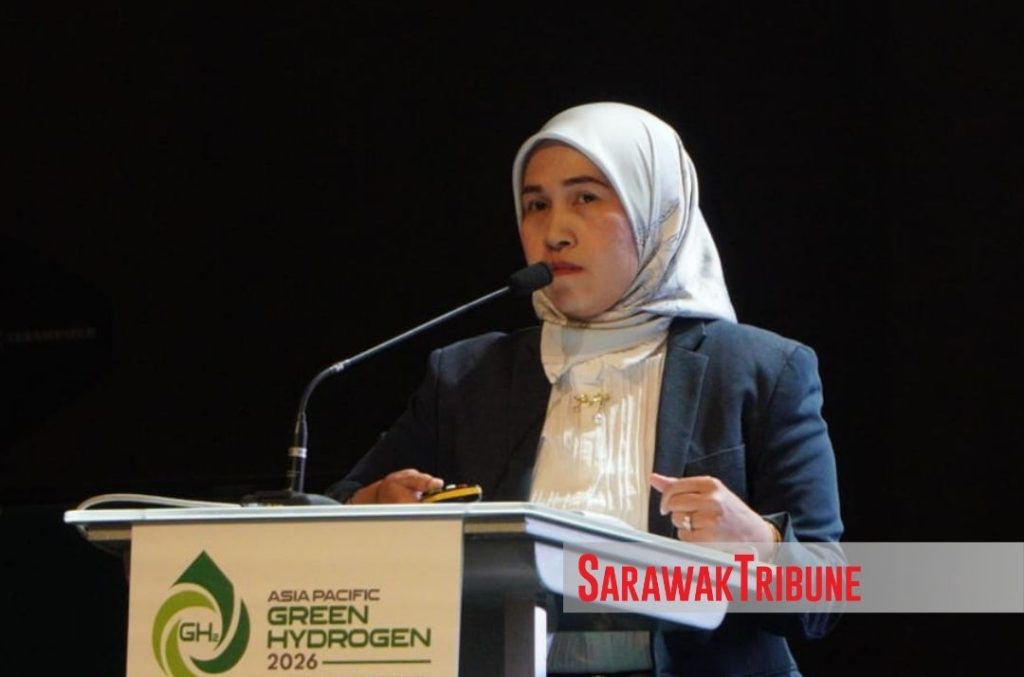
Project manager for Hydrogen Power and SCADA under the Kuching Urban Transportation System (KUTS), Zariah Zanziba, said the depot will serve as the operational backbone of the KUTS project, bringing together key components required to support the state’s hydrogen-powered public transport system.
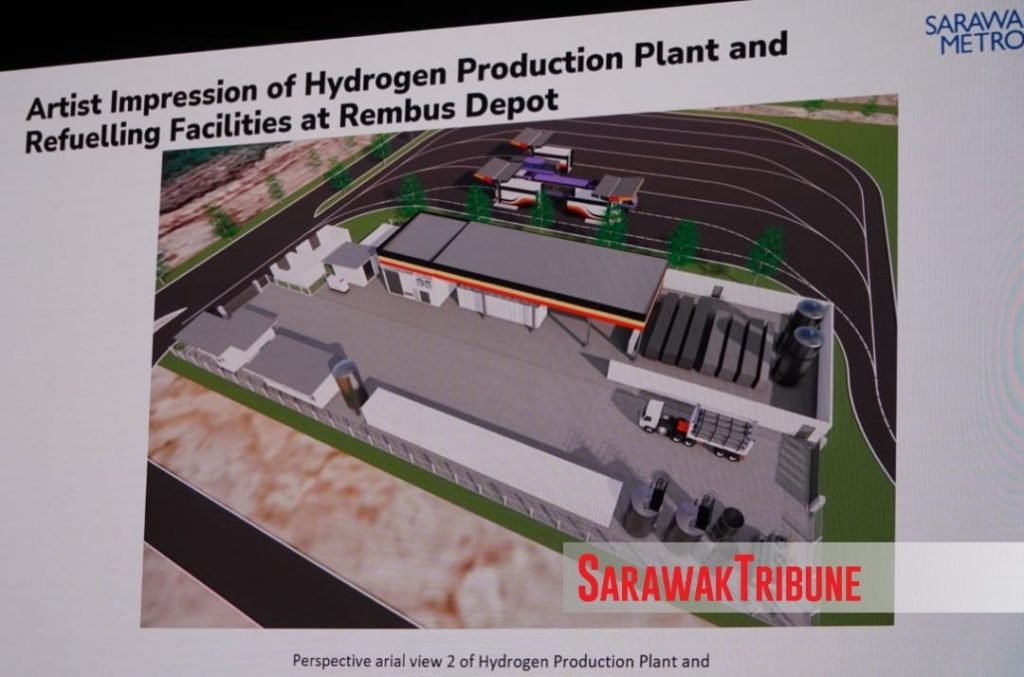
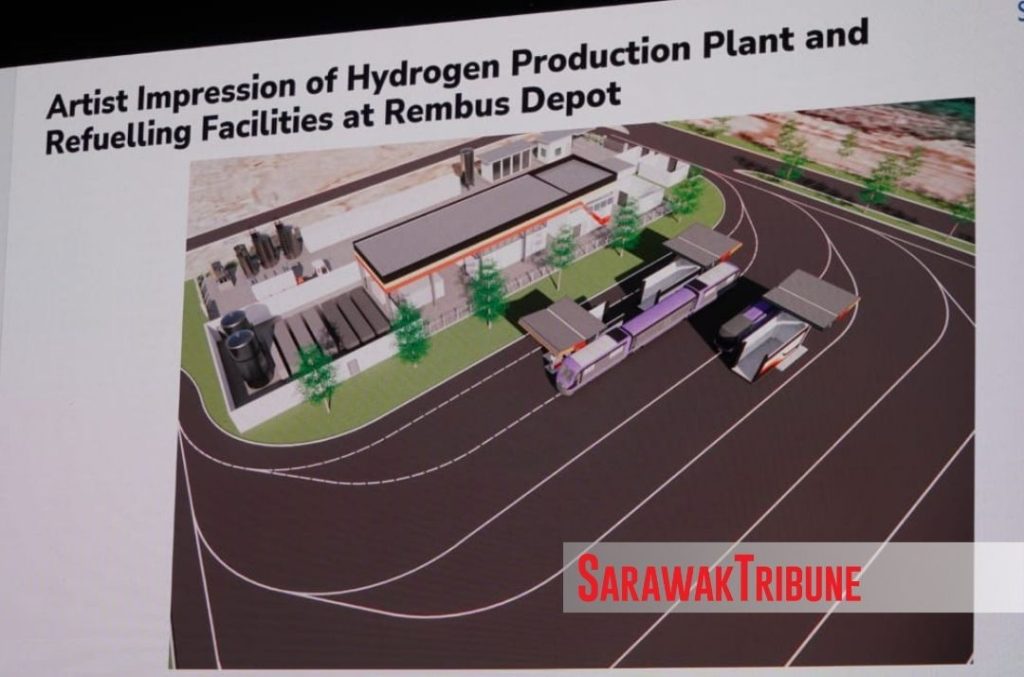
“The depot will house the ART depot, bus depot, hydrogen production plant, hydrogen refuelling station, ART workshop and infrastructure maintenance workshop.
“The entire Rembus Depot is designed as an integrated facility where all supporting functions for the KUTS system are located in one place,” she said during a presentation on the case study for the Rembus Project during the Asia Pacific Green Hydrogen (APGH) Conference 2026 at Borneo Convention Centre Kuching (BCCK) this afternoon (June 9).
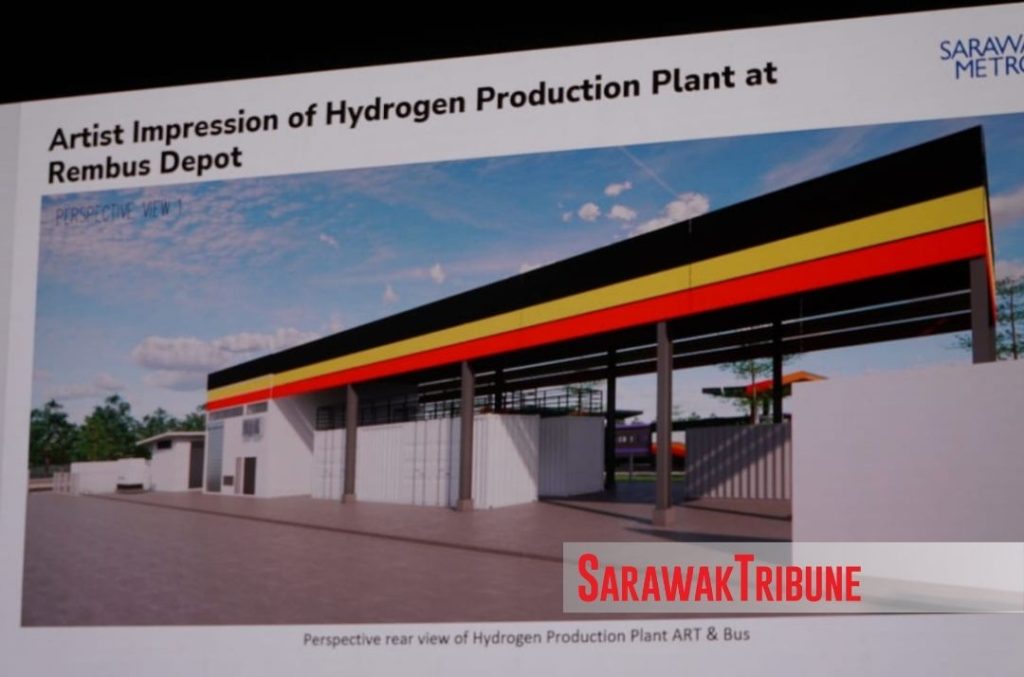
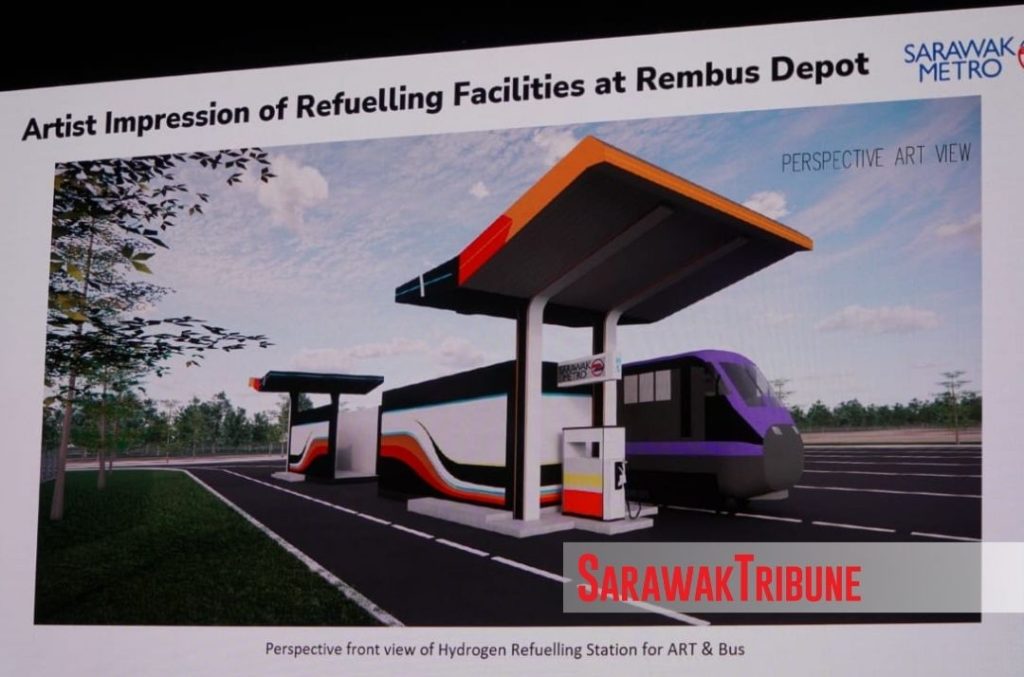
Moreover, Zariah said the depot will also be home to a new on-site hydrogen production plant and refuelling station developed specifically to support the operations of the ART fleet and hydrogen-powered feeder buses.
“We are in the development of our own site integrated hydrogen production plant and refuelling station.
“This new development of the hydrogen production plant will be done in a modular form. We are targeting to build three plants with a total capacity of production five tonne per day.
“This is mainly to cater for our in-house consumption for the ART and also feeder buses,” she said.
The hydrogen facility will be built in stages, beginning with a production capacity of one tonne per day under the first phase, which is expected to be completed by the fourth quarter of 2026.
Zariah added the first phase involves the relocation and upgrading of the existing hydrogen production plant and refuelling station from Bintawa, increasing its production capacity from 130kg per day to one tonne per day.
Subsequent phases will further expand production capacity, bringing total output to five tonnes of green hydrogen daily to meet future operational demands.
“The facility is being developed to cater for a planned fleet of 38 ART vehicles and 55 hydrogen-powered feeder buses under the KUTS network.
“The refuelling station will feature four islands equipped with two dispensers each, allowing efficient refuelling of both ART vehicles and feeder buses,” she said.
She noted the integrated approach would ensure a reliable supply of green hydrogen while streamlining operations and maintenance for the state’s public transportation system.
KUTS Phase 1 covers a 69.9-kilometre alignment comprising the Blue, Red and Green lines, connecting key areas across Greater Kuching through a network of 28 stations.
Pilot operations of the ART system are targeted for the fourth quarter of 2026, with Stage 1 services expected to commence in the third quarter of 2027.
She added the project supports Sarawak’s green hydrogen agenda and long-term goal of developing a sustainable, low-carbon urban transport system.