KUCHING: Sarawak has emerged as a model for bamboo industry development, with its proven expertise and sustainable practices prompting Sabah to look to the state as a key reference in building its own bamboo sector.
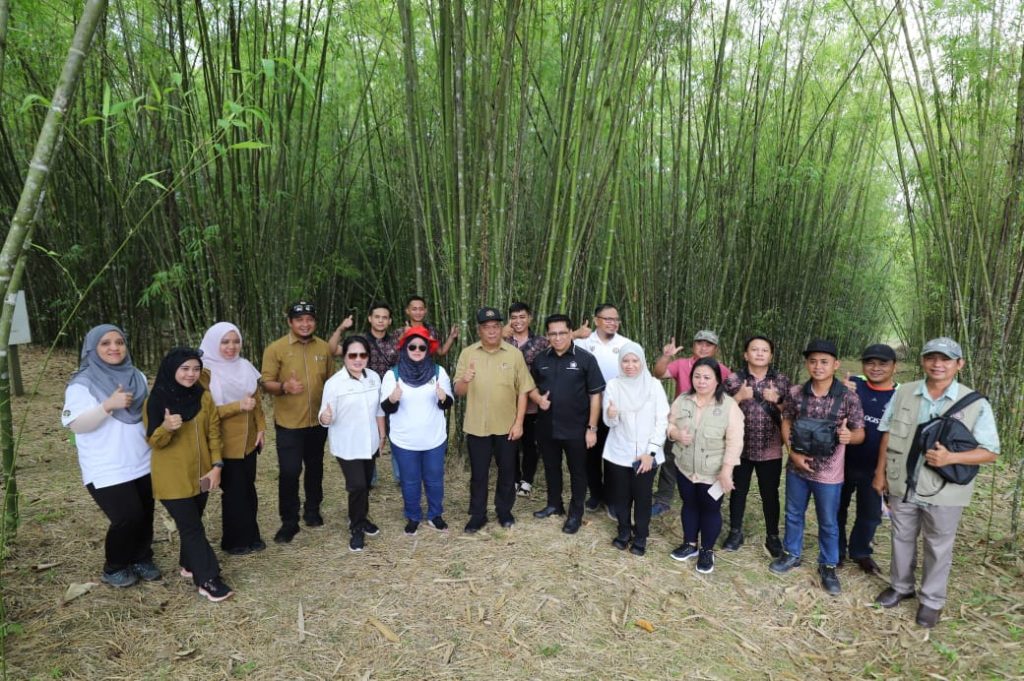
A delegation from the Sabah State Development Office (ICU) of the Prime Minister’s Department, Yayasan Sabah and the Sabah Handicraft Centre undertook a two-day working visit to the Sarawak Timber Industry Development Corporation (STIDC) on July 28 and 29 to learn from the state’s experience in bamboo cultivation, research, technology, and industry development.
Sabah ICU’s Director, Datuk Samsul Dollah, said Sarawak had demonstrated encouraging progress in developing the bamboo industry, making STIDC’s expertise and experience invaluable for Sabah.
“We want to see the bamboo industry grow into a new catalyst for economic development, not only in Sabah but also in Sarawak. Strategic partnerships like this are important so that the approaches developed by STIDC can be studied and adapted to Sabah’s needs,” he said in a statement on Thursday (July 30).
He said the programme would enable Sabah to adopt Good Agricultural Practices (GAP) implemented by STIDC to strengthen productivity and develop a more structured and competitive bamboo industry.
“The bamboo industry in Malaysia is still at an early stage. Therefore, exposure like this is crucial so that we can adopt proven approaches to improve yields and productivity as the industry expands in Sabah,” he added.
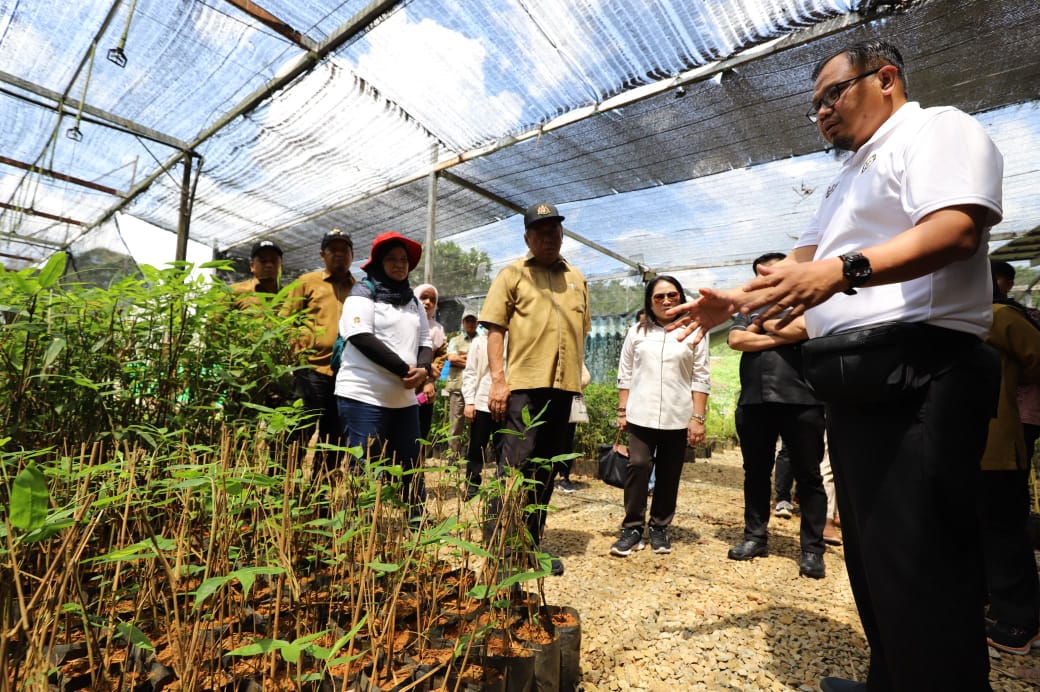
The delegation visited STIDC headquarters in Petra Jaya before touring the corporation’s Bamboo Trial Plot and Nursery at the Sabal Forest Reserve in Simunjan, where they were briefed on bamboo variety research, nursery management, cultivation techniques and sustainable plantation management.
Representing STIDC, Deputy General Manager, Haluyah Awi, said the visit reflected the shared commitment of Sarawak and Sabah to strengthen strategic cooperation in developing the bamboo industry as a driver of green economic growth and rural development.
She said knowledge sharing and technology transfer were essential to ensure the industry could be developed through science, innovation and best practices.
“STIDC believes this visit is not merely a platform for sharing information but also an opportunity for both parties to exchange views, experiences, technical knowledge and best practices related to bamboo industry development.
“Through presentations, discussions and visits to the STIDC Bamboo Trial Plot, we hope participants will gain first-hand exposure to STIDC’s approaches in cultivation, plantation management, research, processing and downstream bamboo product development,” she said.
Meanwhile, Yayasan Sabah’s Corporate Secretary, Hanafiah Diman, said the visit also marked the beginning of an apprenticeship programme involving five participants from the Sabah Handicraft Centre, focusing on bamboo and rattan cultivation and plantation management.
He said the initiative would accelerate technology transfer and help build skilled manpower to support Sabah’s emerging bamboo industry.
“Our experience with STIDC has opened our eyes to the industry’s true potential. We hope the initiatives to be implemented by Yayasan Sabah and the Sabah Handicraft Centre will attract more communities and industry players to help develop this sector.
“Ultimately, it will create employment opportunities, generate income and stimulate the state’s economic growth,” he said.
STIDC and Yayasan Sabah signed a memorandum of understanding last year to strengthen long-term collaboration in bamboo development, covering sustainable cultivation, research, technology transfer, community training, and human capital development for the benefit of both Sarawak and Sabah.