KUCHING: Sarawak’s third cloud-seeding operations began today, with the Batang Ai area in Sri Aman identified as the first target before the operations move to Murum and Bakun.
The operations, which run from September 3 to 5, aims to increase the likelihood of rainfall in targeted areas to boost water inflows to three hydroelectric dams and support 13 water catchment areas across five divisions (Samarahan, Sri Aman, Betong, Kapit and Limbang), subject to suitable cloud formations and atmospheric conditions.
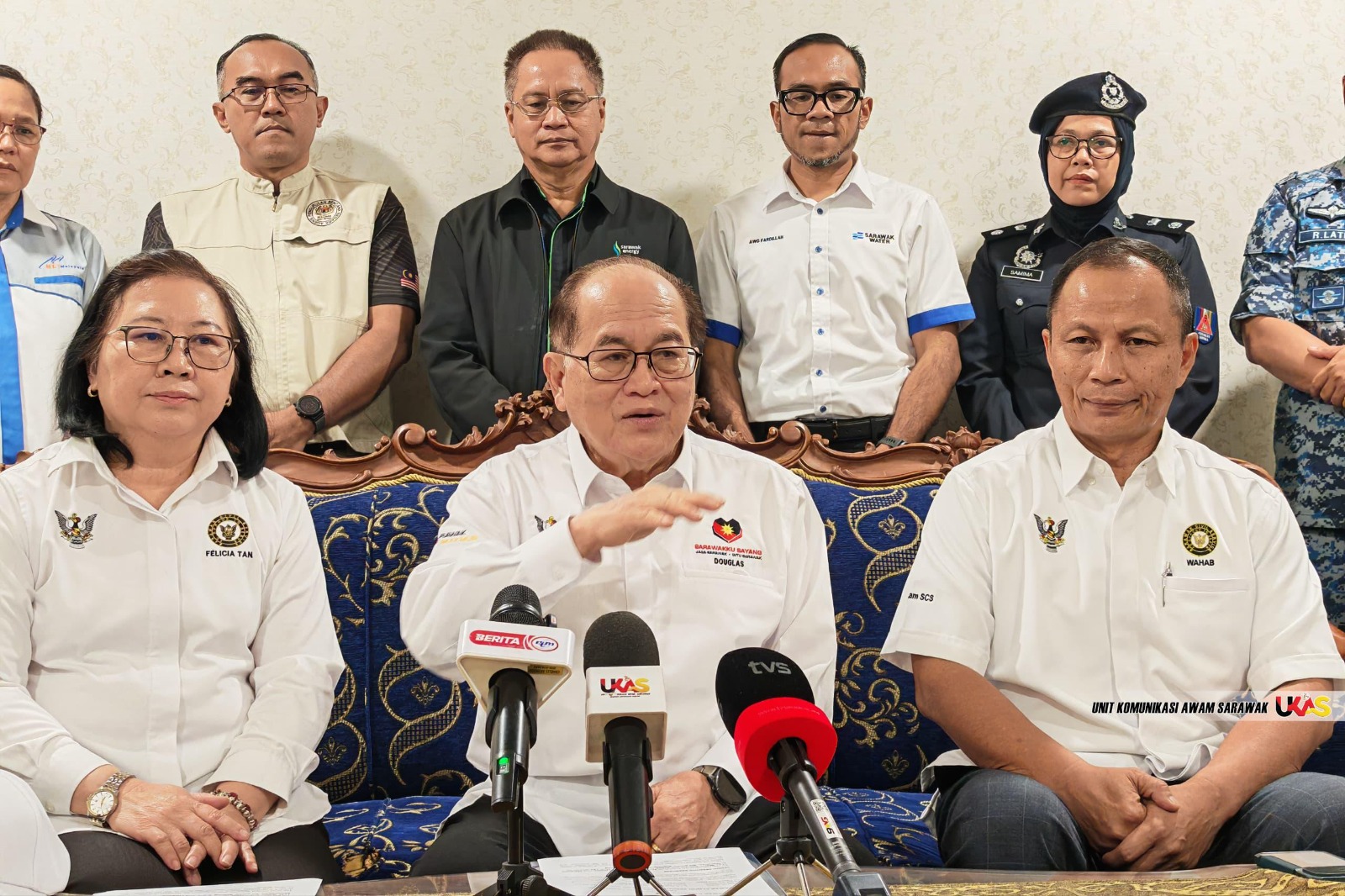
Sarawak Deputy Premier, Datuk Amar Douglas Uggah Embas, who is also Sarawak Disaster Management Committee (JPBN) Chairman, said the operations would begin in Batang Ai before moving towards Murum and Bakun, with meteorological conditions assessed throughout the exercise.
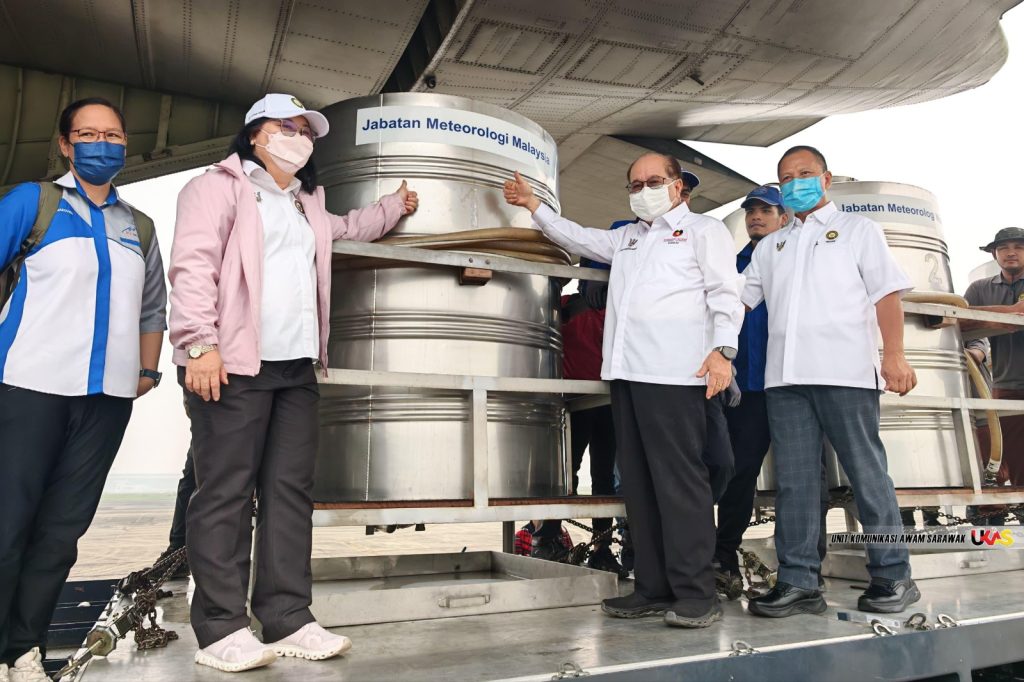
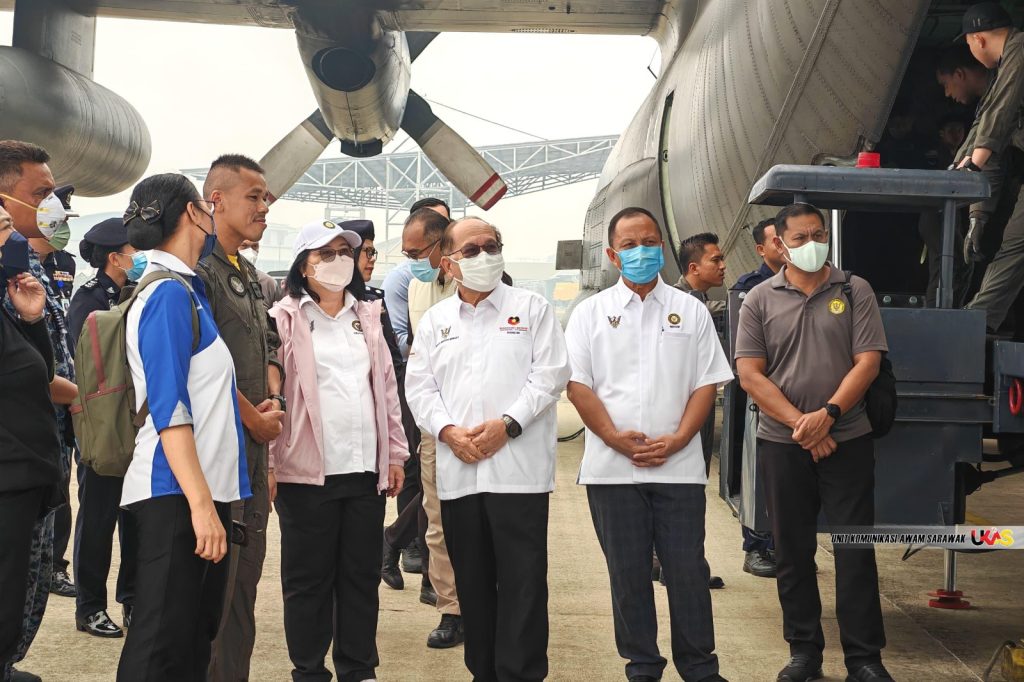
“The target for today is the Batang Ai area. After that, they will move to Murum and Bakun. They will assess the cloud conditions and environment in those areas before determining whether cloud seeding can be carried out,” he said.
He said the main objective was to increase rainfall over targeted catchment areas, helping to improve water inflows to dams and support water requirements for domestic and industrial use.
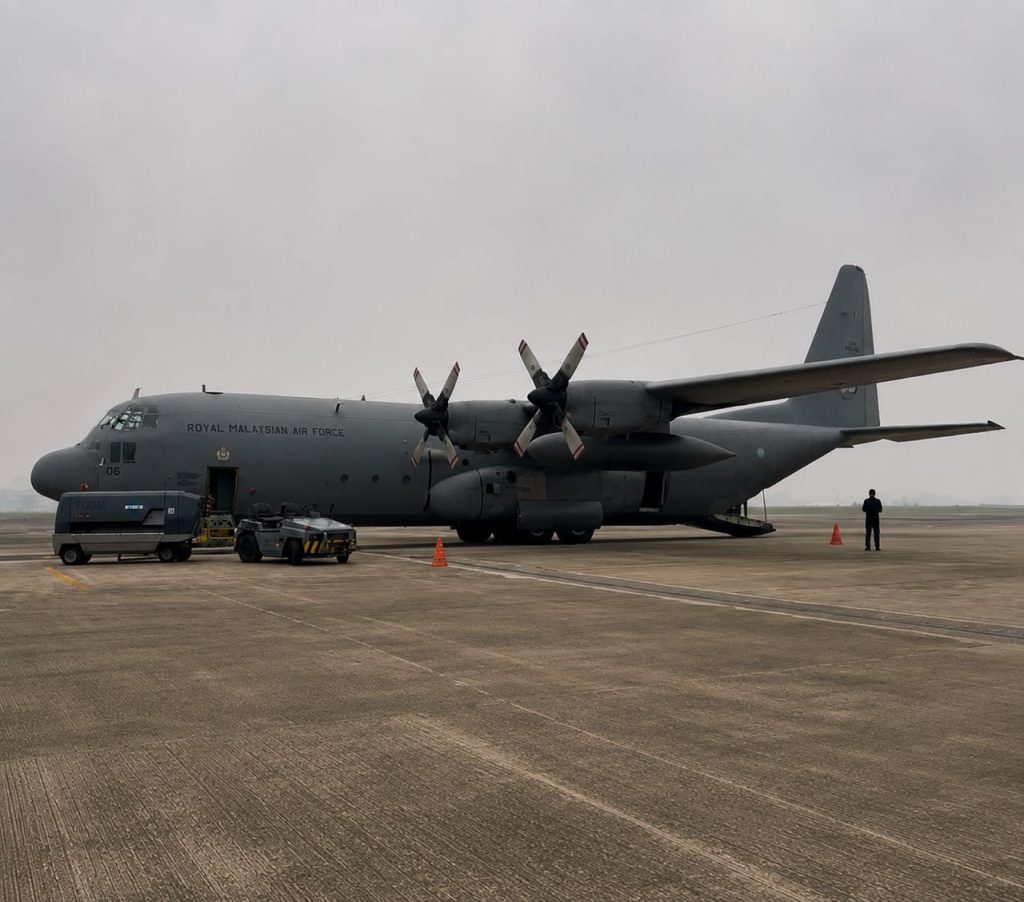
The operations are conducted by Royal Malaysian Air Force (RMAF) aircraft operating at altitudes of between 5,000 and 7,000 feet.
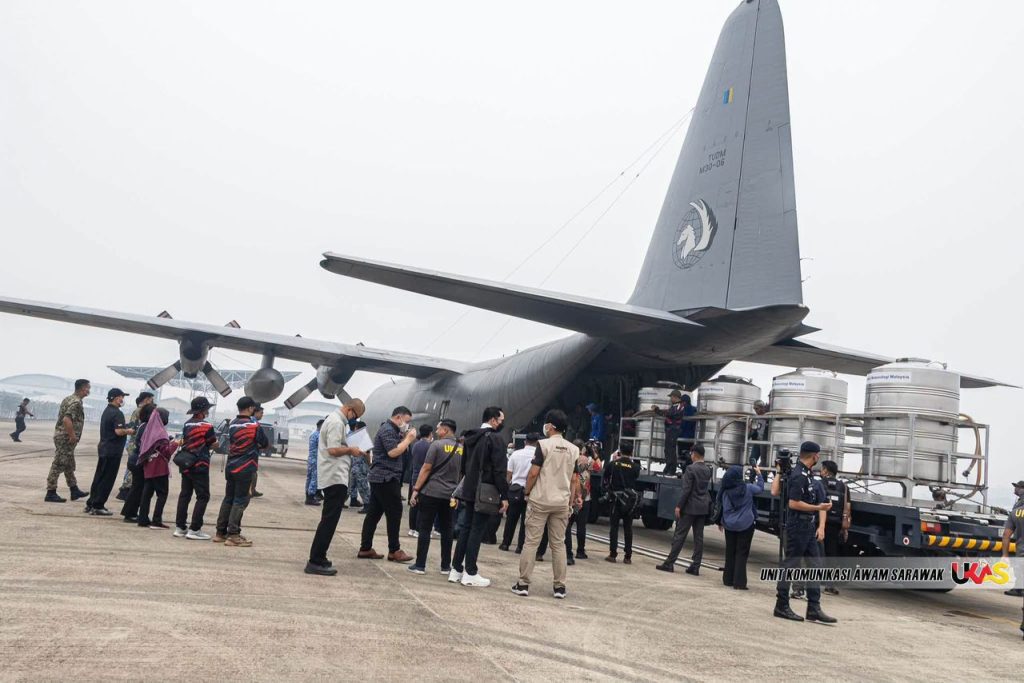
Each flight uses four tanks of saline solution, with each tank containing 200kg of salt dissolved in 1,500 litres of water.
Uggah said similar operations conducted in May and June had resulted in increased water levels, particularly at Murum and Bakun, while the impact at Batang Ai was less significant.
He added that the state government had requested the Malaysian Meteorological Department (MetMalaysia) to extend the operations to September 6 and 7, subject to suitable weather conditions.
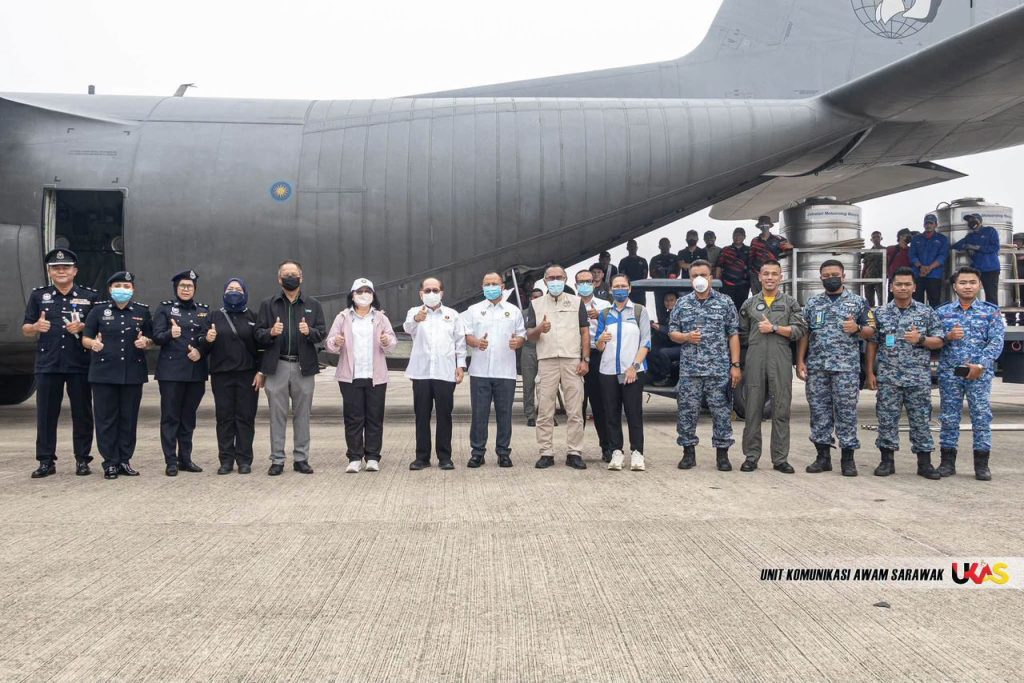
“If there is an opportunity, we want to increase the water level as much as possible while the weather still permits,” he said.
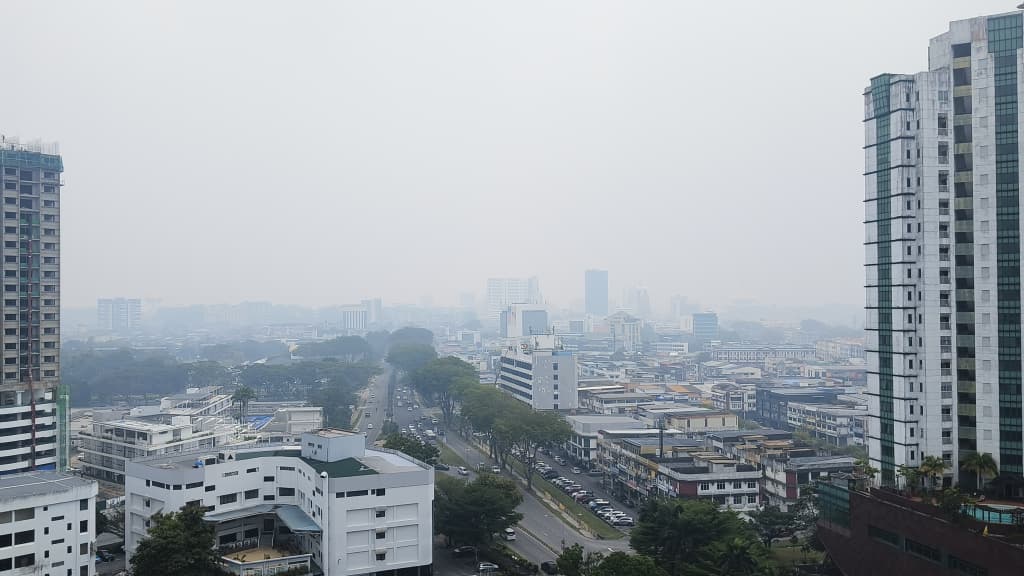
Apart from replenishing water reserves, Uggah said rainfall from the operations could also help reduce the impact of haze in Sarawak, although it would not guarantee that the haze would disappear completely.
He said reducing hotspots, particularly outside Sarawak, remained important in tackling transboundary haze, while urging the public to refrain from open burning and report any hotspots to the authorities immediately.
Meanwhile, the state government has introduced a key performance indicator requiring water assistance to be delivered within 12 hours after a complaint is received.
An operations room has also been established to monitor water-supply responses across Sarawak.
“Water is a basic necessity for the community. We must deliver what is required,” he said.
The operation involves NADMA, APM, MetMalaysia, JBALB, CAAM, PDRM, Sarawak Energy, Sarawak Water, RMAF, the Malaysian Army and the Sarawak Security and Enforcement Unit (UKPS).