KUCHING: Museums in Sarawak have evolved into dynamic drivers of tourism and economic growth, with strong visitor numbers reflecting their growing appeal.
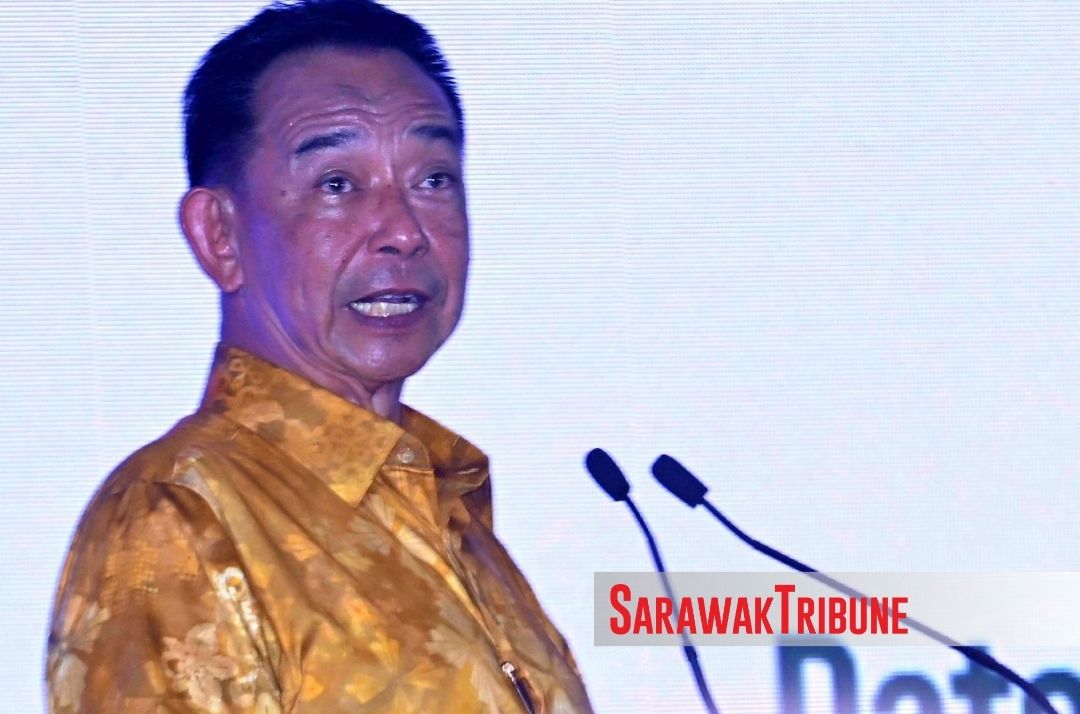
Minister of Tourism, Creative Industry and Performing Arts Datuk Seri Abdul Karim Rahman Hamzah said this is evident in the performance of the Borneo Cultures Museum (BCM).
“From January to March 2026 alone, the museum recorded 54,036 visitors, bringing the total to 1.59 million visitors since it opened on March 9, 2022.
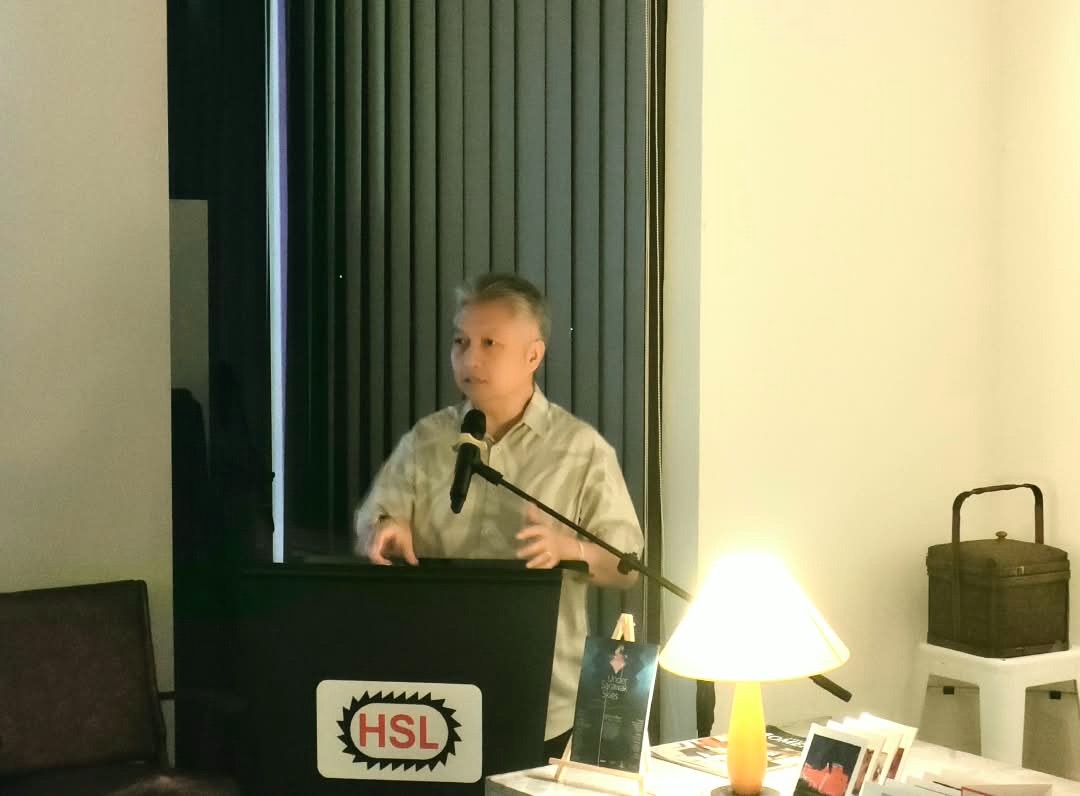
“More impressively, BCM has become a global destination, attracting visitors from 163 countries. With over 83,525 international visitors to date, it clearly shows that Sarawak’s heritage narrative has strong global appeal,” he said in his welcoming address at the launch of the Brooke Dockyard Industrial Heritage Museum here on Monday (Apr 20).
He added that Sarawak currently has 19 museums and galleries operating actively across the state, serving as catalysts for the socio-economic development of local communities.
Abdul Karim said museums today are no longer static repositories of artefacts, but have evolved into vibrant institutions that act as tourism magnets and centres of knowledge, particularly in developed countries.
He said Sarawak’s museum landscape extends beyond BCM, with institutions such as the Islamic Heritage Museum, Chinese History Museum, Petroleum Museum in Miri, Sri Aman Heritage Museum, Baram Regional Museum and others contributing to the sector.
Overall, he said museums and galleries under the Sarawak Museum Department recorded 93,858 visitors in the first quarter of 2026.
Beyond permanent exhibitions, he said museums also bridge the gap between local communities and world-class art and showcases.
“Collaborations with renowned United Kingdom artist Luke Jerram, through large-scale 3D exhibitions such as Museum of the Moon, Gaia, and now Helios, have created a phenomenon and attracted thousands of visitors, benefiting communities across Sarawak,” he said.
He added that museums also function as intellectual hubs through strategic collaborations with global institutions.
“I am informed that the Sarawak Museum Department has established research networks with international media giant National Geographic, as well as leading institutions such as the British Museum and the University of Debrecen in Hungary.
“In addition, close cooperation with regional partners including the National Gallery Singapore, the Malay Heritage Centre, and the Heritage Conservation Centre of Singapore, along with various local institutions, has strengthened Sarawak’s position on the global map of research and cultural sustainability,” he said.
From an educational perspective, Abdul Karim said museums remain committed to strengthening learning at school and tertiary levels through interactive programmes that have benefited students nationwide.
“One of the latest notable achievements is the ‘Night at the Museum’ programme, where students are given the opportunity to stay overnight in museums while immersing themselves in heritage through various activities.
“Beyond empowering students, museums also play an important role in cultivating appreciation for heritage through community-based approaches,” he said.
He added that this is reflected through Heritage Awareness Programmes implemented with communities in Semaba, Gedong and Asajaya.
“These programmes have not only increased public understanding but also strengthened the role of communities in preserving heritage,” he said.