KUCHING: Sarawak is set to take another step towards strengthening its energy infrastructure, with a tender expected to be opened soon for the development of a Battery Energy Storage System (BESS) to support the state’s growing renewable energy ambitions.
Deputy Prime Minister Datuk Amar Fadillah Yusof said Sarawak Energy Berhad (SEB) is expected to lead the tender process as the state prepares for wider integration of renewable energy sources into its electricity grid.
He said battery storage technology is becoming increasingly important as renewable energy generation, particularly solar power, continues to expand across Malaysia and globally.
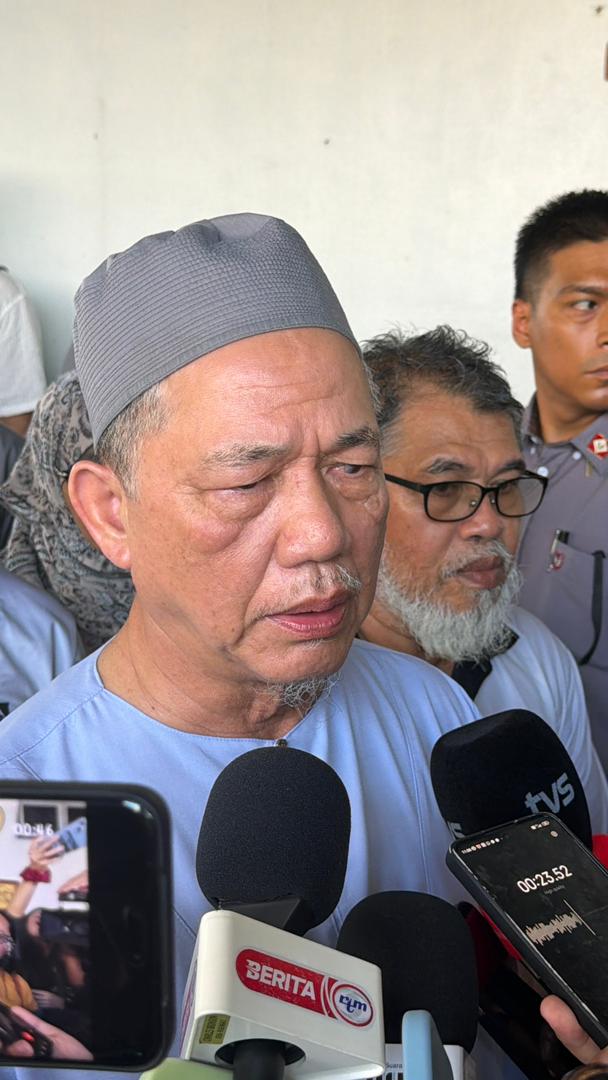
“Solar energy depends on sunlight. There are times when generation is high and times when it is lower. To stabilise the grid, we need battery storage systems,” he told reporters after attending a korban meat distribution programme at Surau Darul Ehsan, Kampung Sinjan, today (May 29).
BESS technology allows excess electricity generated during peak production periods to be stored and released when demand rises or when generation drops, helping to ensure a more stable, reliable and efficient power supply.
Such systems are increasingly seen as a key enabler of modern power networks, particularly as countries move towards cleaner energy sources and reduce dependence on fossil fuels.
Energy experts note that battery storage also helps reduce the risk of power fluctuations, improves grid resilience, and supports the integration of intermittent renewable sources such as solar and wind.
Fadillah added that similar battery storage projects are already being implemented in Peninsular Malaysia and Sabah as part of national efforts to strengthen electricity supply security.
He pointed to the recently launched BESS Santong project in Dungun, Terengganu, which has a capacity of 100 megawatts (MW) and an energy storage capacity of 400 megawatt-hours (MWh).
The facility, which is capable of supporting around 40,000 consumers on the East Coast, is among Malaysia’s first large-scale utility battery storage systems.
It is expected to play a significant role in enhancing grid stability while supporting the country’s broader energy transition agenda towards more sustainable and low-carbon power generation.
Sarawak’s planned BESS initiative is widely seen as part of its long-term strategy to position itself as a regional leader in renewable energy development, particularly through hydropower and solar expansion.