Sarawak is actively advancing its circular economy agenda by encouraging greater private sector participation in waste-to-energy initiatives and related green technologies, as part of efforts to turn waste into a valuable resource.
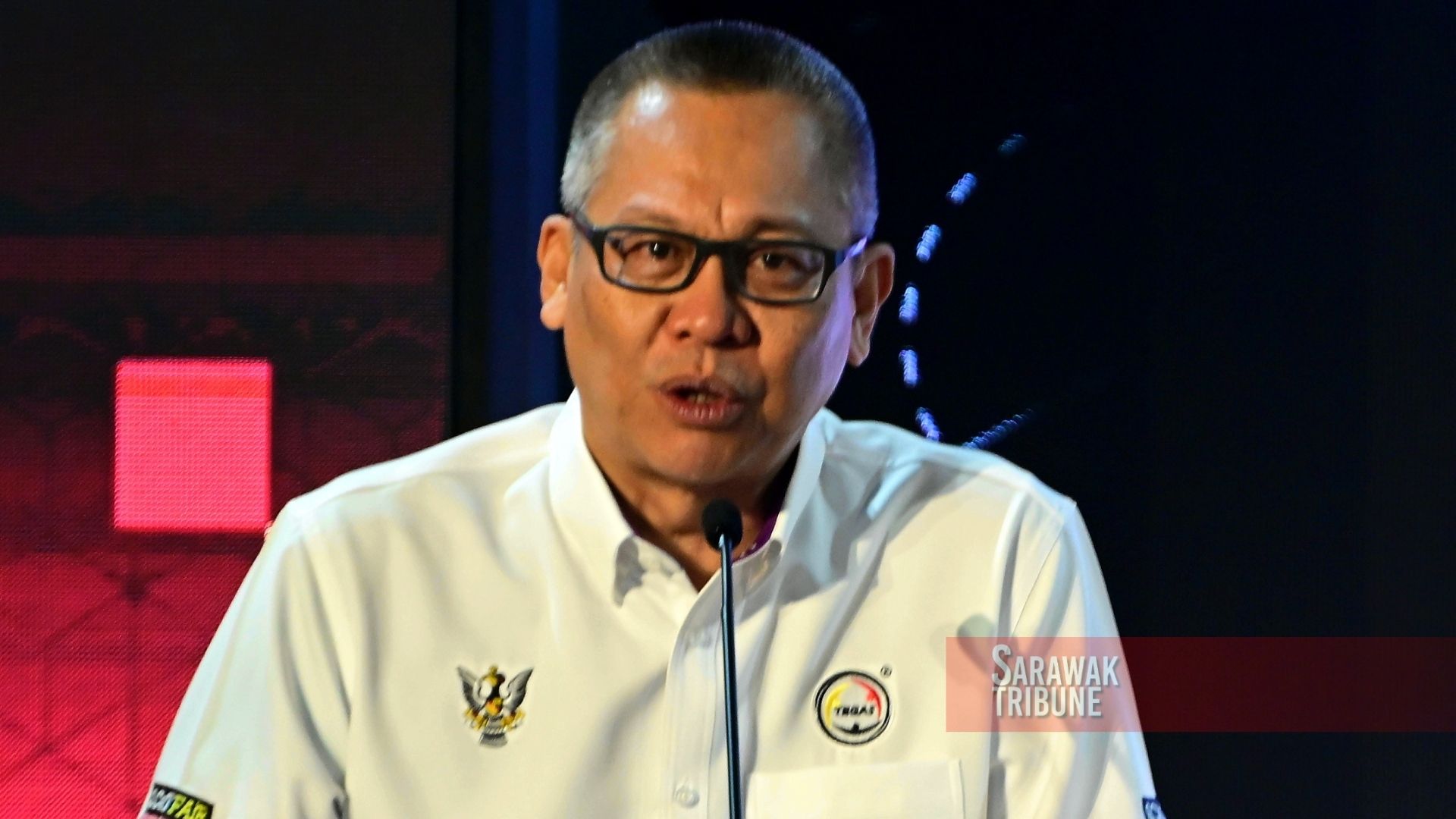
Premier Datuk Patinggi Tan Sri Abang Johari Tun Openg said the state government is committed to transforming waste management into an opportunity for energy generation, economic value creation and environmental sustainability.
“My administration is serious about advancing the circular economy agenda, and we welcome private sector participation in waste-to-energy initiatives and related technologies,” he said in his winding-up speech during the DUN Sitting today (May 20).
He said Sarawak is shifting its approach towards viewing waste not as a burden, but as a resource that can be converted into electricity, fuel, fertiliser and other useful products through innovation and technology.
Abang Johari noted that as population increases, waste generation will rise while land availability becomes more limited, making sustainable waste management increasingly important.
“It is time for us to start seeing waste as a valuable resource,” he said.
He added that the state government is now moving decisively towards a circular economy approach, supported by the Sustainable Resources and Waste Management legislation already passed in the august House.
Abang Johari said this transition will be guided by the Sarawak Integrated Waste Management Masterplan 2050, which is currently in its final stage of preparation and will serve as a roadmap for municipal and scheduled waste management.
He said that a feasibility study is being conducted to explore the potential of biomass, agricultural residues and organic waste as alternative energy sources.
On ongoing initiatives, Abang Johari said he had recently been briefed on the Gas-to-Energy cogeneration project at the Kuching Integrated Waste Management Park in Mambong.
He said the pilot project has demonstrated that methane from landfill waste can be converted into electricity, with the potential to generate up to three megawatts of power from 700 tonnes of daily waste when fully scaled up.
Abang Johari said such initiatives reflect Sarawak’s commitment to sustainable development while strengthening its long-term energy security through innovative environmental solutions.