KUCHING: The Sarawak government is seeking external flood mitigation expertise as it steps up efforts to tackle flooding in Sibu and Bintulu.
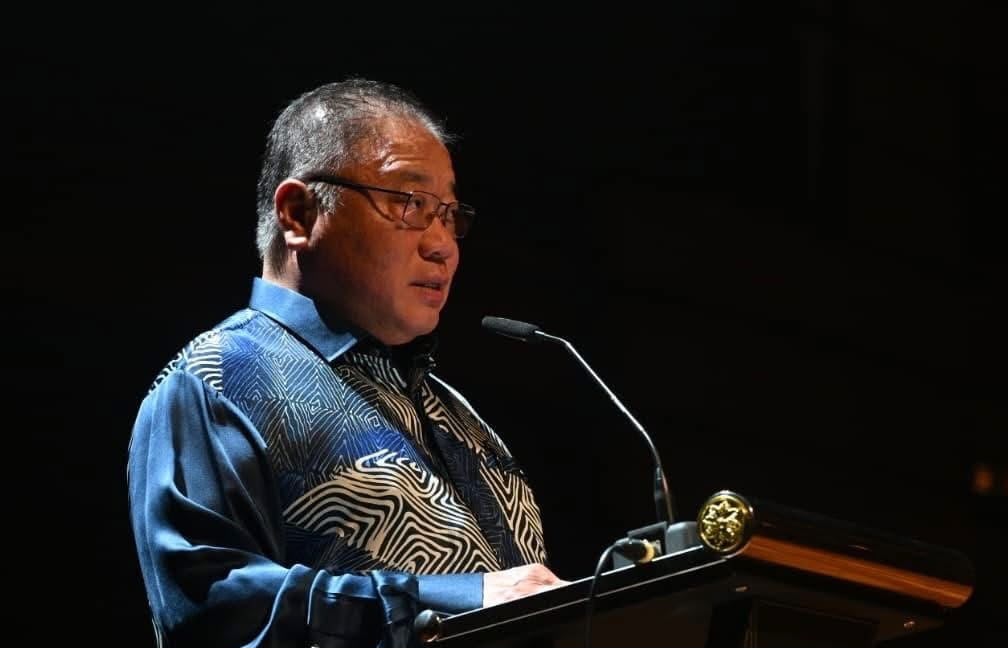
Premier Datuk Patinggi Tan Sri Abang Johari Tun Openg said the move was important in view of the state’s rapid development, which requires more resilient land-use planning to address climate change.
He said the development of cities, new industrial corridors, energy and infrastructure projects, as well as growing demand for housing and public facilities, required planning that takes long-term needs into account.
“In this situation, land-use planning can no longer be reactive.
“We need to look ahead and ensure that areas developed today remain suitable, safe, connected and resilient for the next 20 or 30 years,” he said.
He said this in his speech at the closing ceremony of the Land And Survey Innovation and Integrity Day (HIITS) 2026 at a hotel here, last night (Sept 23).
Abang Johari said climate change had made the need for such measures more urgent, with flood risks, erosion, rising water levels and extreme weather needing to be taken into account in development decisions.
“We have to look for experts in what is known as flood mitigation.
“We also have to look for experts from outside Sarawak, and today we are looking to develop Sibu so that it will no longer experience flash floods,” he said.
For Bintulu, he said the government is seeking a solution to the flooding problem linked to the increasingly shallow Batang Kemena.
“Now in Bintulu, we are seeking a solution to the flooding problem caused by Batang Kemena, because the Kemena river is becoming increasingly shallow.
“So we have to find a solution to this and today, God willing, we can already see a solution, which will be implemented at a later stage,” he said.
Meanwhile, Abang Johari said topographical, hydrological, land-use, infrastructure network and geospatial data needed to be integrated to ensure state development planning was evidence-based.
He said good development was not merely about being approved quickly, but had to be carried out at the right locations and make optimal use of land.
“Good development is not simply about being approved quickly, but must be located in the right place, make optimal use of land and not create greater social or environmental costs in the future,” he said.