BINTULU: Sarawak is reinforcing its position as a resilient regional energy hub by prioritising green development strategies as a foundation for long-term economic stability amid growing global geopolitical uncertainties.
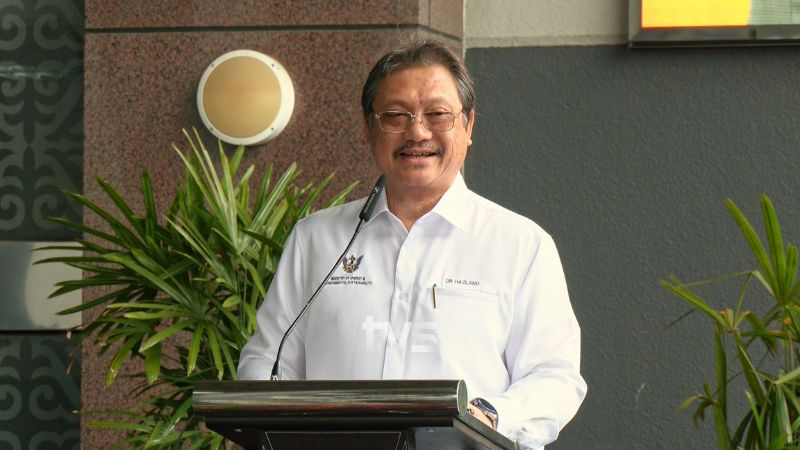
Deputy Minister for Energy and Environmental Sustainability Datuk Dr Hazland Abang Hipni, said the state has developed several strategic frameworks, including the Post-COVID-19 Development Strategy 2030 (PCDS 2030), Sustainability Blueprint 2030 and Clean Energy Transition Policy (CETP), to ensure Sarawak remains competitive and less vulnerable to external disruptions.
“In an increasingly uncertain geopolitical environment, energy strategies have become critically important. Sarawak is prepared with various long-term plans to ensure energy security, economic stability and sustainable development,” he said when officiating the launch of the BPHB Sustainability and Green Initiative here on Friday (June 19) as reported by TVS.
Dr Hazland said Sarawak’s efforts to expand renewable energy, hydrogen development and low-carbon technologies are not only aimed at achieving net-zero emissions targets but also at strengthening the state’s position as a clean energy exporter within the ASEAN region.
He also said the implementation of large-scale projects involving solar energy, hydro-hybrid systems, and carbon capture, utilisation and storage (CCUS) technologies reflects Sarawak’s commitment to building a more stable and sustainable future energy ecosystem.
“These initiatives demonstrate the seriousness of Sarawak’s commitment towards developing a resilient energy sector capable of supporting long-term growth,” he said.
Dr Hazland pointed out that green initiatives undertaken by Bintulu Port Holdings Berhad reflect the role of the industrial sector in supporting the state’s sustainability agenda, including the adoption of electrification technologies and low-carbon operational systems.
“Industry-driven approaches such as these are important because they make government policies more practical while delivering direct impacts in reducing emissions and improving operational efficiency,” he said.
Dr Hazland added that Sarawak’s energy transformation agenda extends beyond economic considerations and serves as a long-term strategy to safeguard the well-being of its people while ensuring a sustainable future for coming generations.