KUCHING: Sarawak is targeting 15 gigawatts of power capacity by 2035 while expanding into artificial intelligence, aerospace and high-value mineral industries to strengthen its future economy.
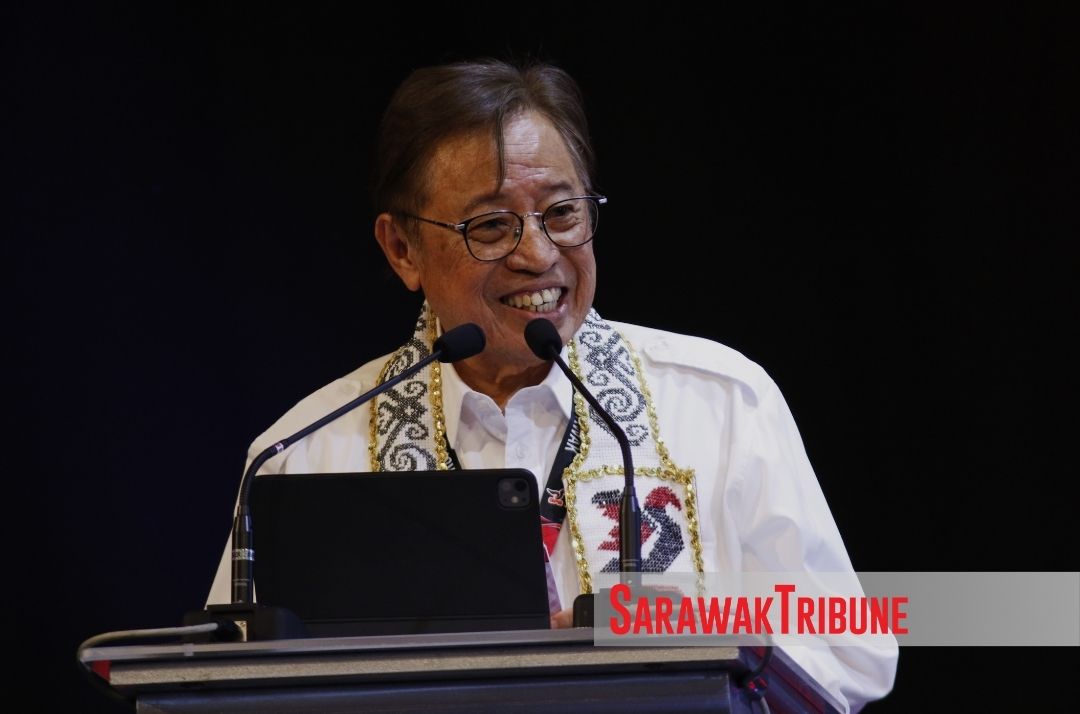
Premier Datuk Patinggi Tan Sri Abang Johari Tun Openg said the state’s current electricity demand stands at about seven gigawatts, leaving surplus capacity that could be exported to markets such as Singapore, Peninsular Malaysia and Kalimantan as a new revenue source.
He said Sarawak is targeting 10 gigawatts of capacity by 2030 and 15 gigawatts by 2035, supported by an estimated overall generation potential of about 22 gigawatts that could increase further through diversified energy sources.
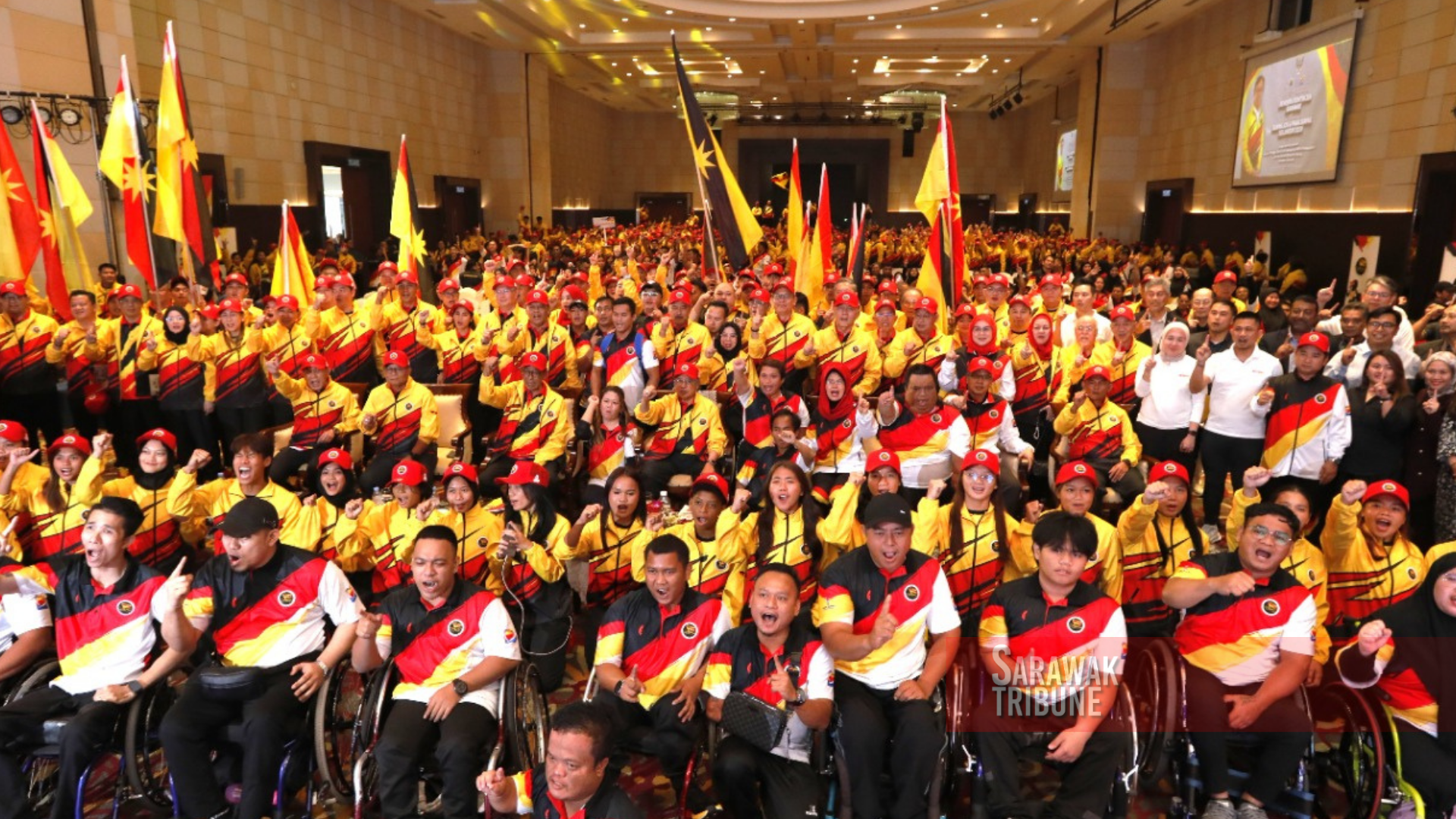
“Energy strength, advanced technology adoption and downstream industrial development would form the backbone of Sarawak’s future economy,” he said at the Gabungan Parti Sarawak (GPS) Convention 2026 at the Borneo Convention Centre Kuching (BCCK) today (April 19).
But he stressed that resource wealth alone would not guarantee prosperity without strong governance and principled leadership.
“Some countries are rich in resources but their people remain poor due to weak leadership. Sarawak has resources, but we must ensure clean leadership with one objective – to serve the people,” he said.
Abang Johari said the state is strengthening human capital development through free tertiary education and a stronger focus on science, technology, engineering and mathematics (STEM) to support emerging sectors such as hydrogen, digital infrastructure and artificial intelligence.
He noted that artificial intelligence (AI) is evolving beyond generative systems towards “agentic AI”, which could manage complex data networks and reshape digital infrastructure within the next five years.
“The future economy will depend on data collected through satellites and processed using chips developed locally,” he said.
In line with this direction, he said the International College of Advanced Technology Sarawak (ICATS) has established an aerospace faculty to support satellite communications and Earth-observation capabilities, with the state aspiring to deploy its own satellite in the future.
He added that newer CubeSat technology offers a lower-cost alternative to conventional satellites, which can cost up to €600 million, while still providing valuable data for development planning and monitoring.
Abang Johari also emphasised the importance of retaining value from Sarawak’s mineral resources by prioritising downstream processing rather than exporting raw materials.
“We must process our minerals into high-value products such as advanced magnets used in modern technologies,” he said.
He said rapid global technological shifts and lessons from current geopolitical conflicts underscored the importance of strengthening capabilities in sensors, chips and strategic technologies as Sarawak advances towards its 2030 development agenda.