KUCHING: About 38,000 hectares of mature rubber plantations in Sarawak are currently left untapped, despite their potential to contribute to national rubber production.
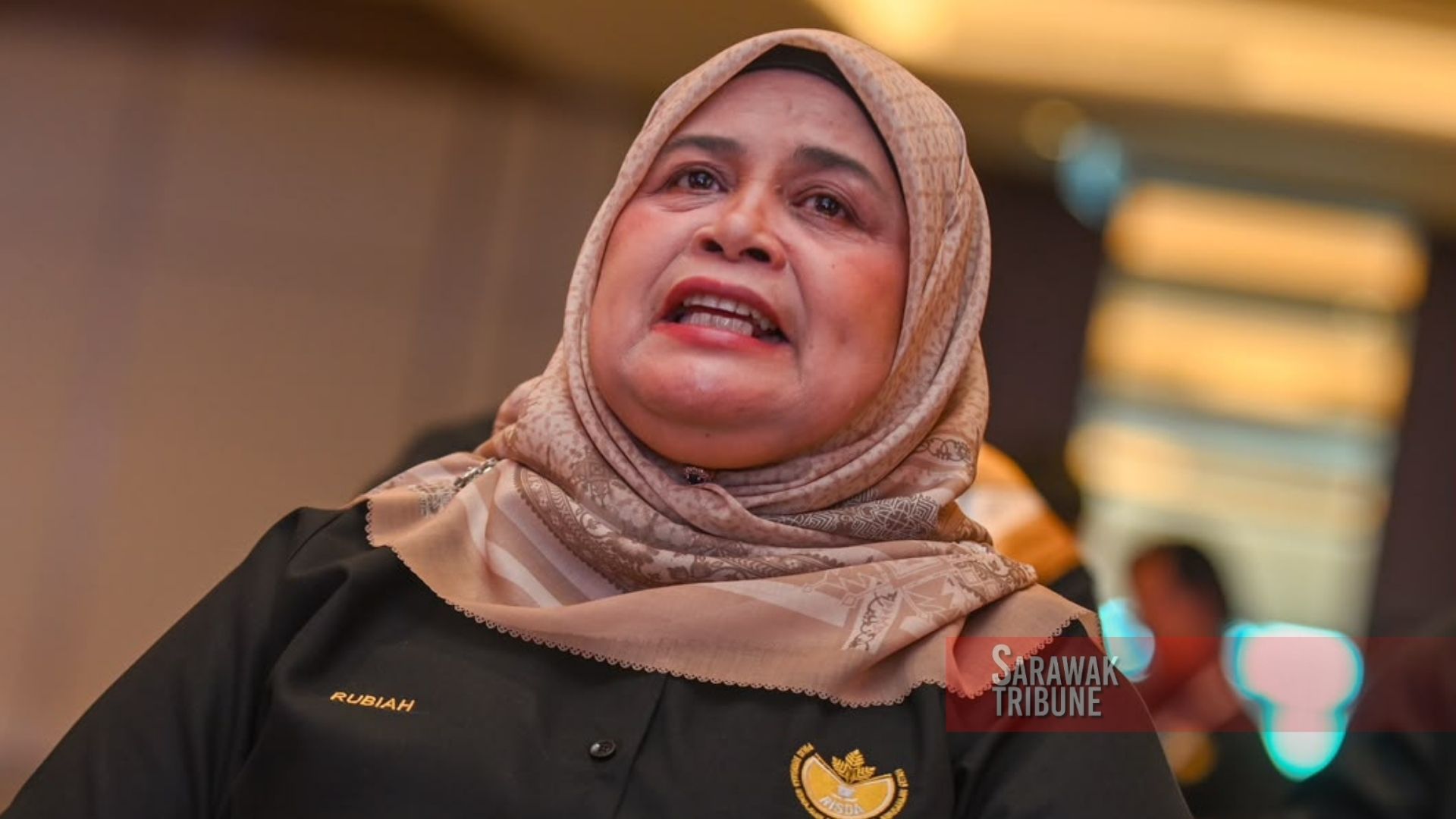
Deputy Minister for Rural and Regional Development Datuk Rubiah Wang said the plantations, all owned by smallholders, had been identified for intervention by the Rubber Industry Smallholders Development Authority (RISDA).
“We do not want existing rubber estates to go to waste. The trees are already mature and capable of producing results, but they are left untapped.
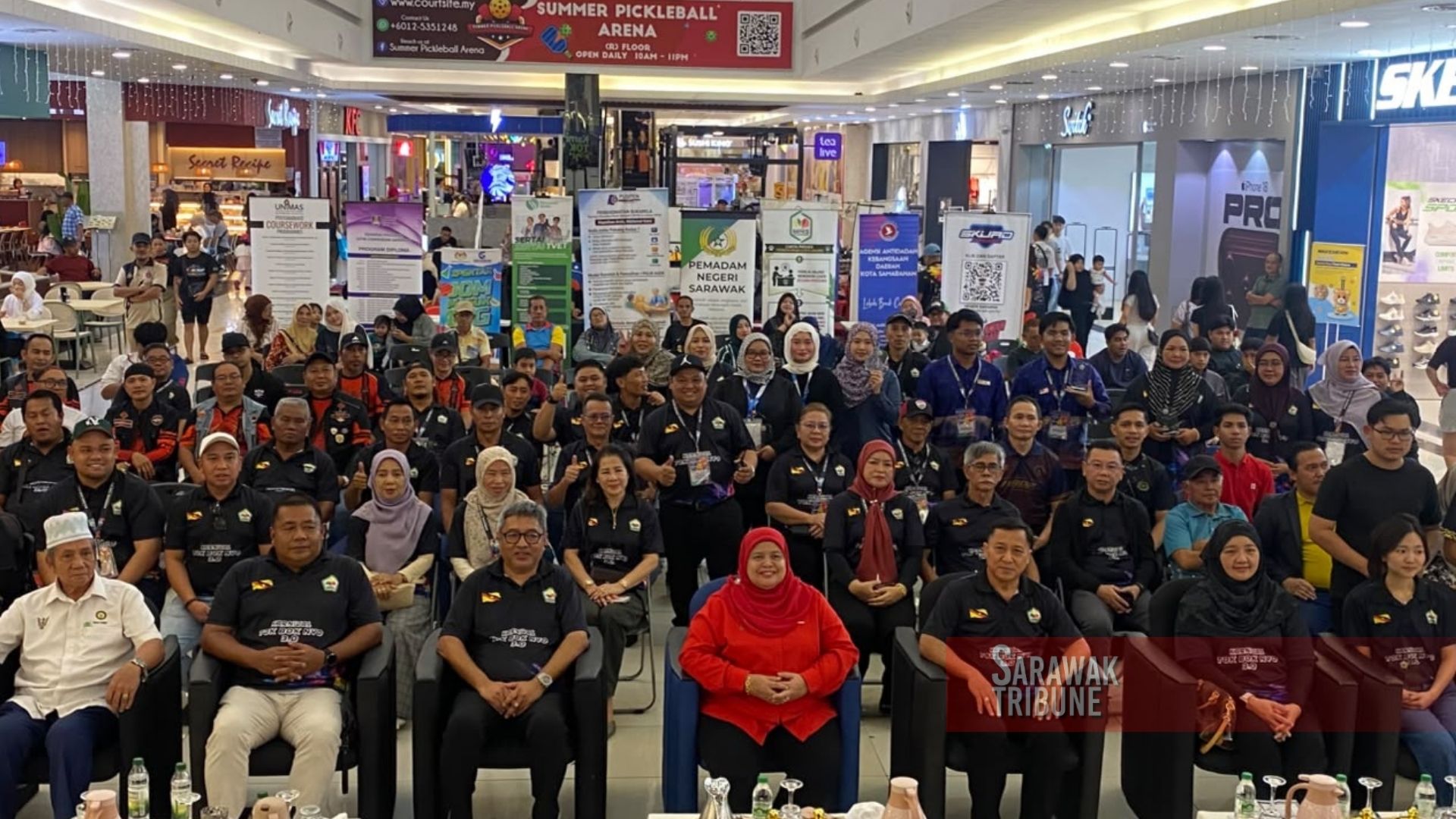
“If the smallholders are unable or unwilling to manage the estates themselves, RISDA Plantation can undertake the work on their behalf through a special agreement with the owners,” she told reporters after officiating at the RISDA Smallholders Convention for the Sarawak Zone 2026 at Voco Hotel today (Aug 9).
Rubiah said RISDA was currently identifying and engaging landowners, many of whom were elderly, had migrated elsewhere or no longer had anyone to manage their rubber estates.
She stressed that the arrangement was not automatic, with owners first given the option to manage their own plantations with assistance from RISDA under its idle rubber programme.
“RISDA Plantation will only come in if the owners agree. It is a win-win arrangement under a special agreement, with the main objective of ensuring that the existing rubber trees are productive,” she said.
Rubiah said the initiative formed part of wider efforts to increase Malaysia’s rubber output, particularly as the country continued to rely heavily on imports of rubber, including latex and cup lump.
She added that RISDA was also encouraging smallholders to improve productivity through modern tapping techniques, good agricultural practices, fertiliser application and other technologies.
At the same time, RISDA Plantation has introduced collection centres and mobile transport services to make it easier for smallholders to sell their rubber.
She said the approach, coupled with RISDA’s role as an anchor buyer, had helped improve rubber prices from an average of between RM2.75 and RM2.80 per kilogramme previously.
The government had previously provided incentives to bring the price up to RM3, while prices had since reached as high as RM5 in Peninsular Malaysia. In Sarawak, the highest recorded price was RM4.20, although the current price stood at around RM4 due to market fluctuations.