KUCHING: The Sarawak Legislative Assembly (DUN) today unanimously passed the Sarawak Economic Development Corporation (SEDC) Bill 2026, aimed at strengthening institutional capacity and ensuring the corporation remains fit for purpose in an increasingly fast-changing world.
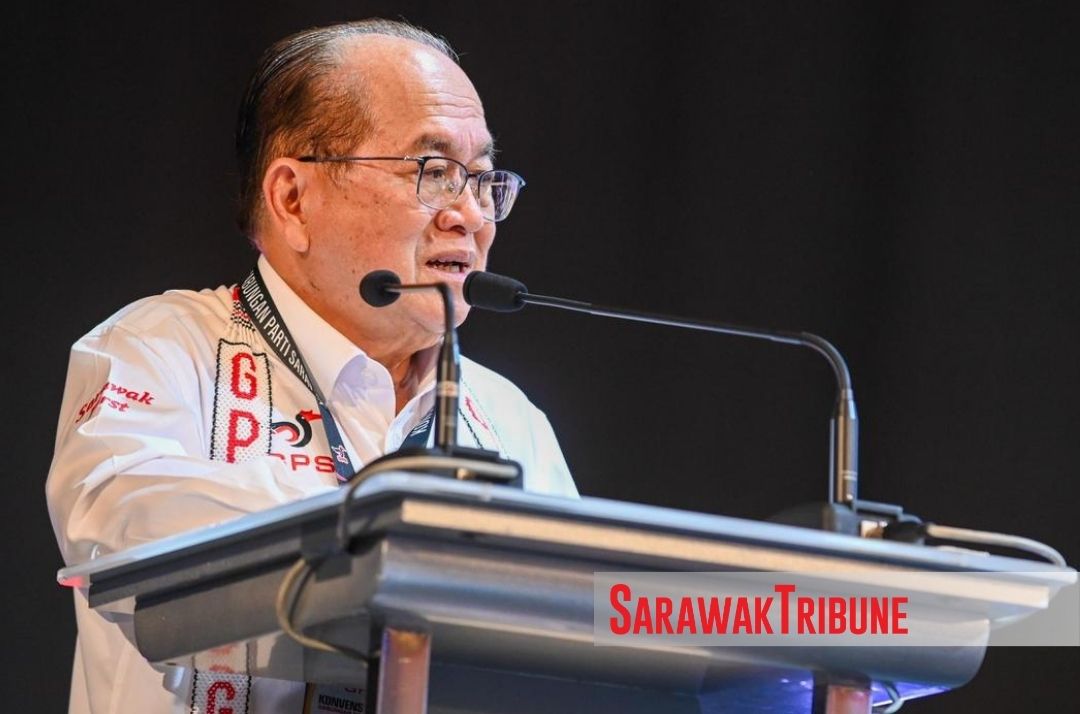
The Bill was tabled by Deputy Premier Douglas Uggah Embas.
Several assemblymen participated in the debate, with members expressing support for the Bill and its objectives.
In his winding-up speech during the DUN sitting, Uggah thanked members of the august House for supporting the Bill.
He said the latest amendment reflects the Sarawak Government’s initiative to enhance SEDC institutionally so that it can adapt to current industry practices and meet the evolving demands of today’s progressive corporate landscape.
Uggah also revealed that the Sarawak Government had engaged the World Bank in 2022 to conduct a study assessing the corporate governance practices of State-Owned Enterprises (SOEs), including State Statutory Bodies and Government-Linked Companies.
Following the study, the Majlis Mesyuarat Kerajaan Negeri (MMKN) approved the Code of Corporate Governance for Sarawak State-Owned Enterprises as the official governance framework for SOEs under the Sarawak Government’s jurisdiction, including SEDC and its subsidiaries.
“The GPS Government aspires to transform SEDC into one of the leading State-Owned Enterprises in Sarawak with strengthened governance, greater transparency, enhanced profitability, a clear strategic vision, a commercially driven management approach and inclusive practices, ultimately positioning it as a world-class corporation,” he said.
Among the key provisions under the Bill is the renaming of the Principal Ordinance to the Sarawak Economic Development Corporation Ordinance.
Uggah said the move reflects greater identity, clarity and recognition while aligning the legislation with the corporation’s widely recognised name both locally and internationally.
The Bill also updates several key definitions to reflect modern governance practices, including replacing the designation “General Manager” with “Group Chief Executive Officer”.
In addition, the Bill introduces a formal definition for the role of “Secretary”, which had previously been referred to in the ordinance without a specific definition.
According to Uggah, the new provision concerning the appointment and functions of the Secretary will strengthen accountability, enhance transparency and reinforce sound governance practices within the corporation.