BAU: The first phase of the proposed Serembu Food Processing Industrial Park (SFPIP) in Paku is expected to be tendered out in September.
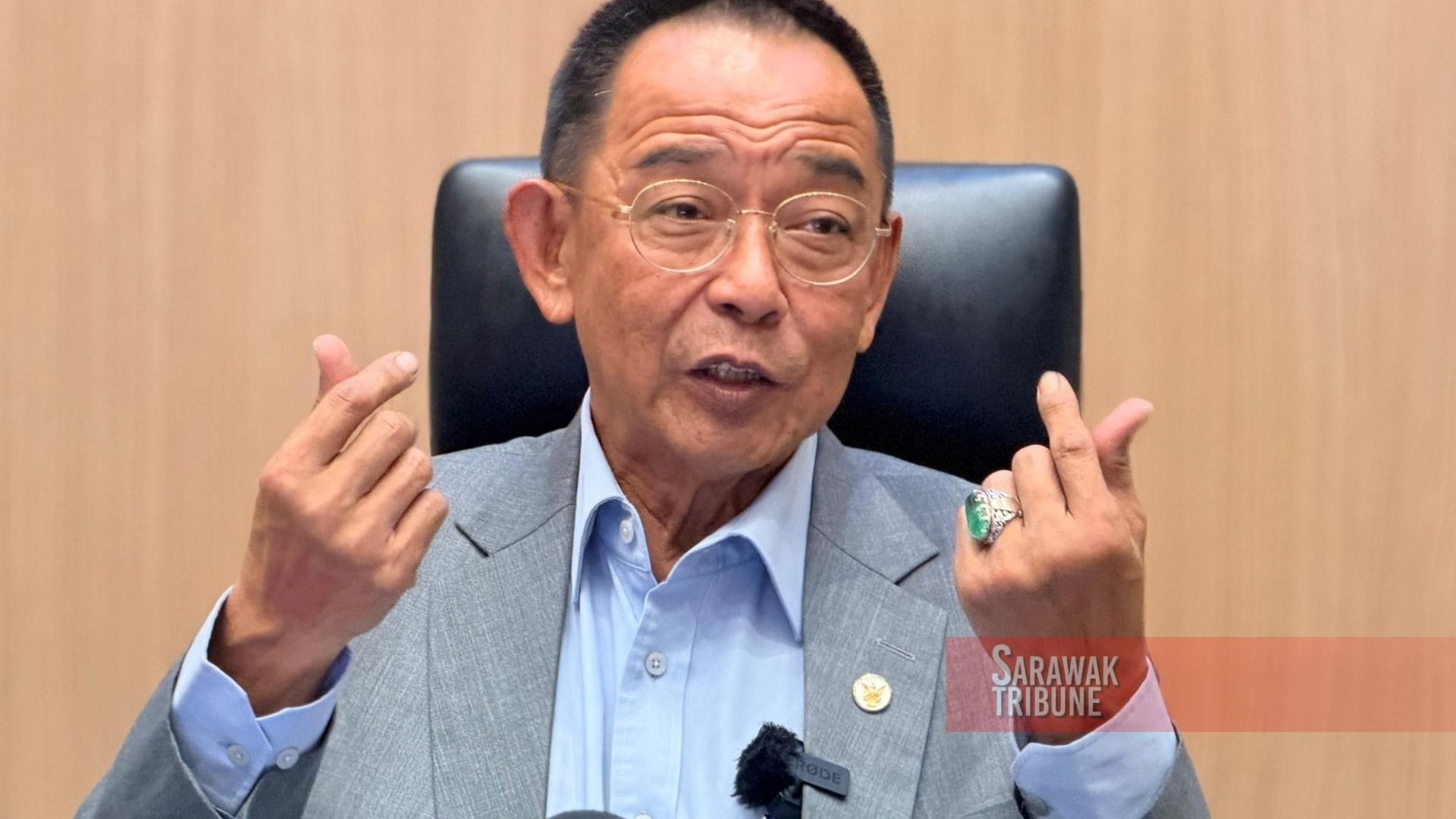
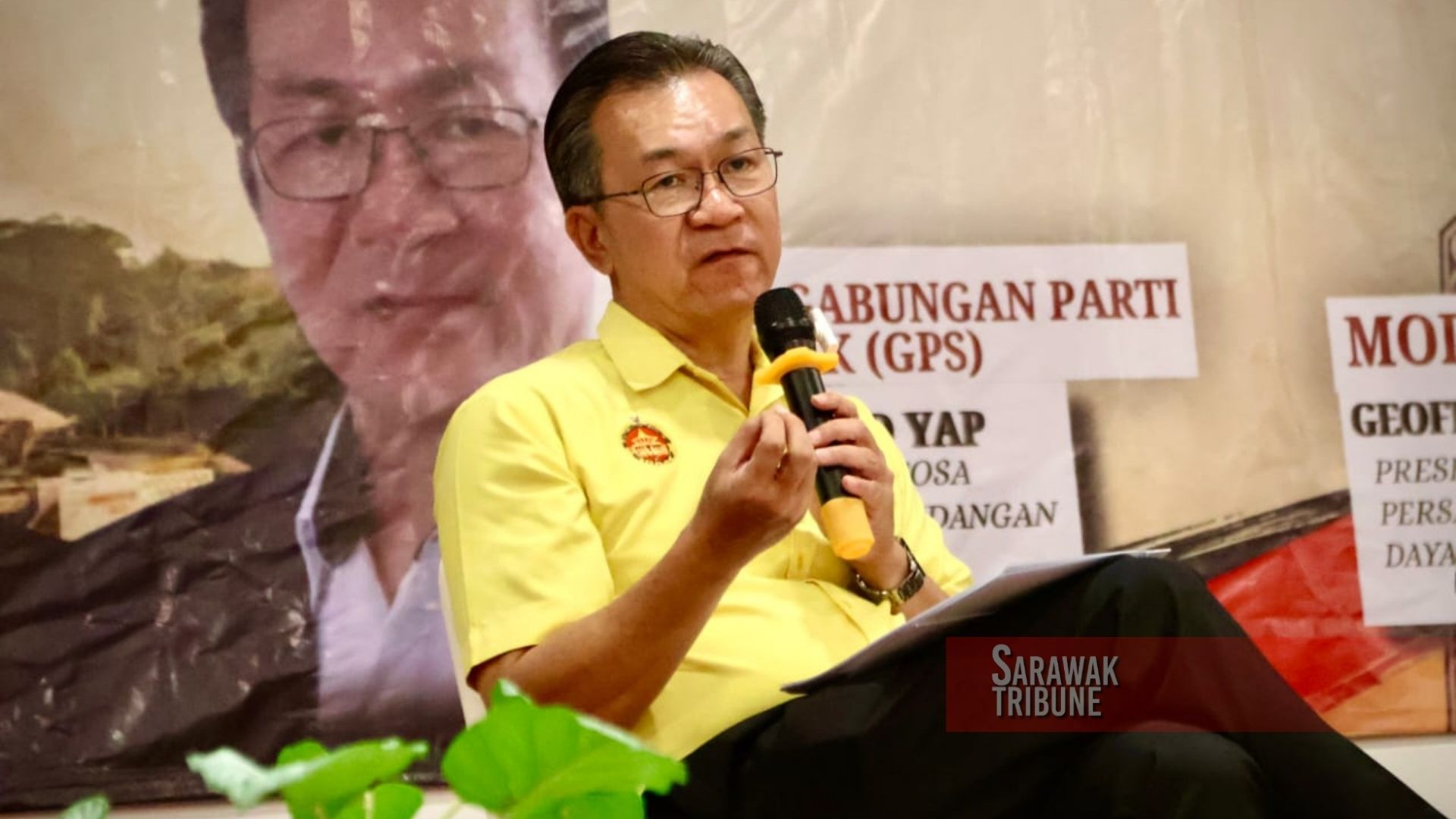
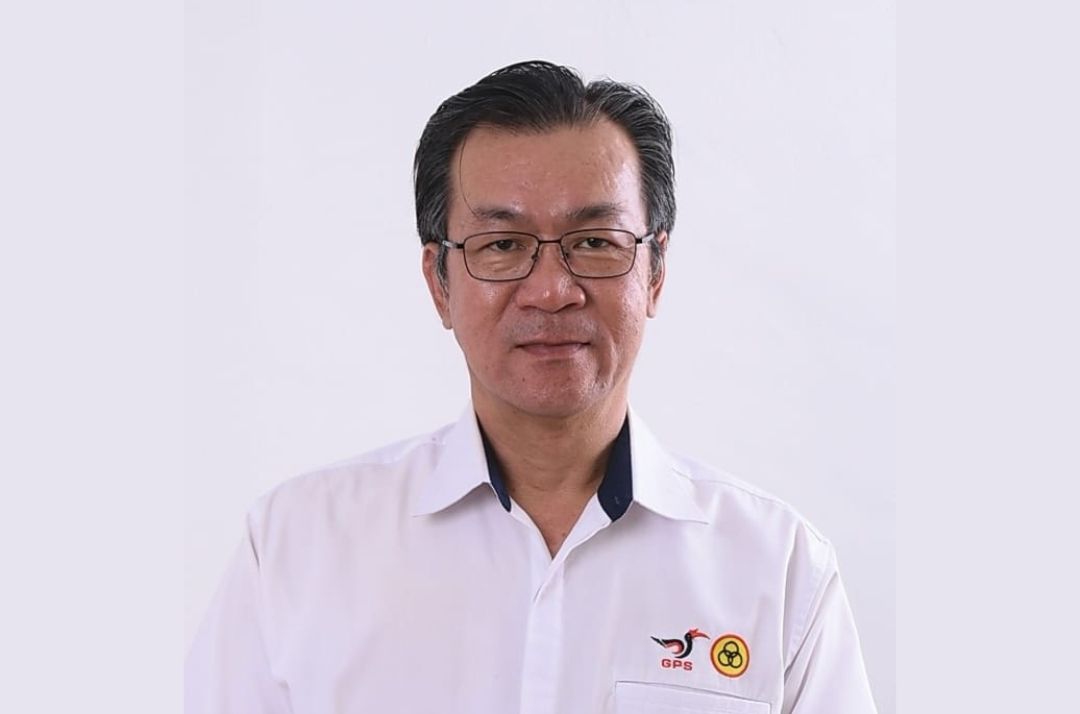
Serembu assemblyman Datuk Miro Simuh said Package One, costing RM20 million, would involve clearing the 55-acre site and providing basic infrastructure.
“The work scope includes land clearing, land dumping, roads, electricity and water supply,” he said.
Miro said Package Two would be implemented after the completion of Package One and would involve constructing buildings and factory facilities, with another RM20 million allocated.
The RM40-million state-funded project, backed by the Greater Kuching Coordinated Development Agency (GKCDA), is located on state land between Nirvana Memorial Park and the Rock Maze Garden in Paku.
He said the industrial park was aimed at strengthening Sarawak’s agro-food and livestock supply chains, with its core focus on processing and packaging food products for human consumption and animal use.
This includes local production of animal feed, particularly to address the high cost and shortages of feed faced by livestock operators involved in poultry, swine and cattle farming.
Miro said six initial investors had already lined up for the project, including a specialised feed mill factory.
“The economic impact from the industrial park, such as downstream support and job opportunities, will be huge,” he said.
He said the park would also help develop local expertise in food processing methods while creating opportunities for research and development (R&D) in food production.
According to Miro, the project could generate between RM500 million and RM700 million in annual revenue once the industrial park was fully operational.
He said the development would also help reduce reliance on imported food products and raw materials while creating greater economic opportunities for farmers in Serembu and surrounding areas.
The industrial park is expected to serve as a downstream hub, allowing agricultural and livestock products to be processed locally, creating additional value for producers and strengthening the region’s food production ecosystem.