AS the world began to recover from COVID-19 thanks to various initiatives including the vaccine programme, Malaysia followed suit, and so did Sarawak and its tourism industry.
Although Malaysia’s international borders only reopened on April 1, 2022, interstate travel was reinstated in October 2021, with Sarawak following suit but maintaining entry requirements, including submission via the EnterSarawak system, proof of full vaccination, and a negative RT-PCR or RTK-Antigen test result valid for three days.
While the Sarawak’s tourism industry began its recovery even during the Recovery Movement Control Order (RMCO), it was the reopening of interstate borders in 2021 that truly accelerated the rebound.
The ‘Sia Sitok‘ campaign
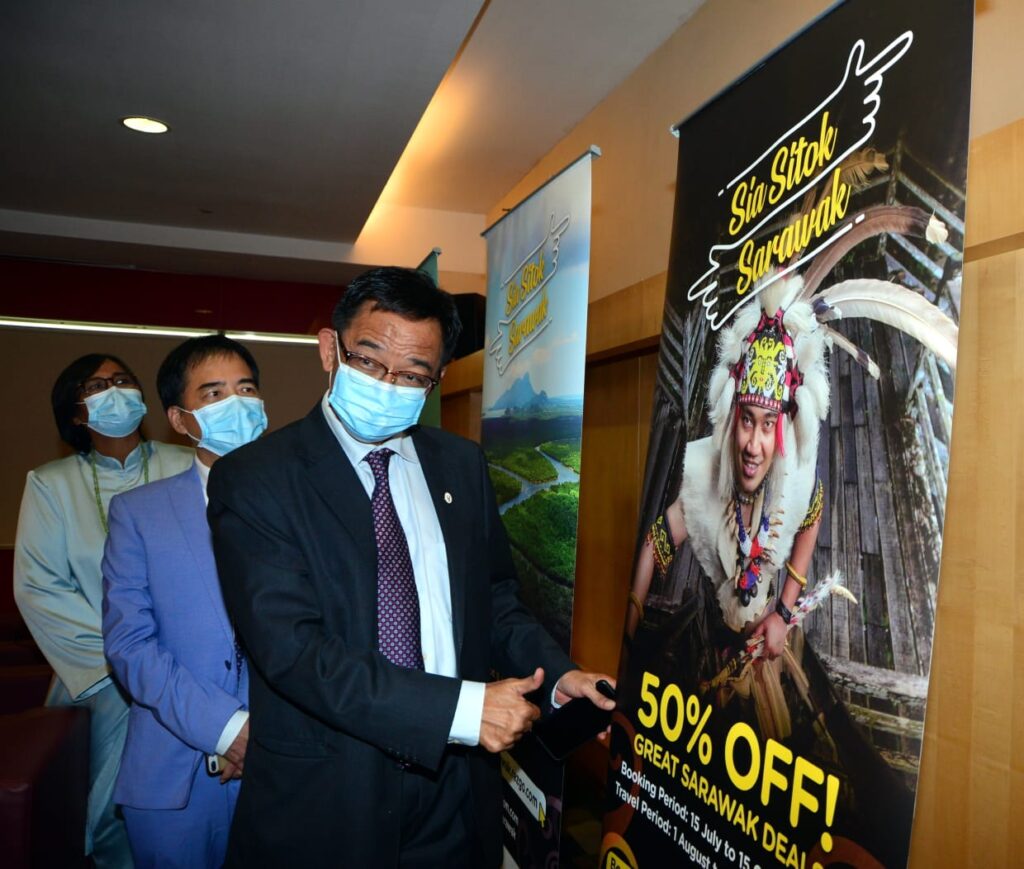
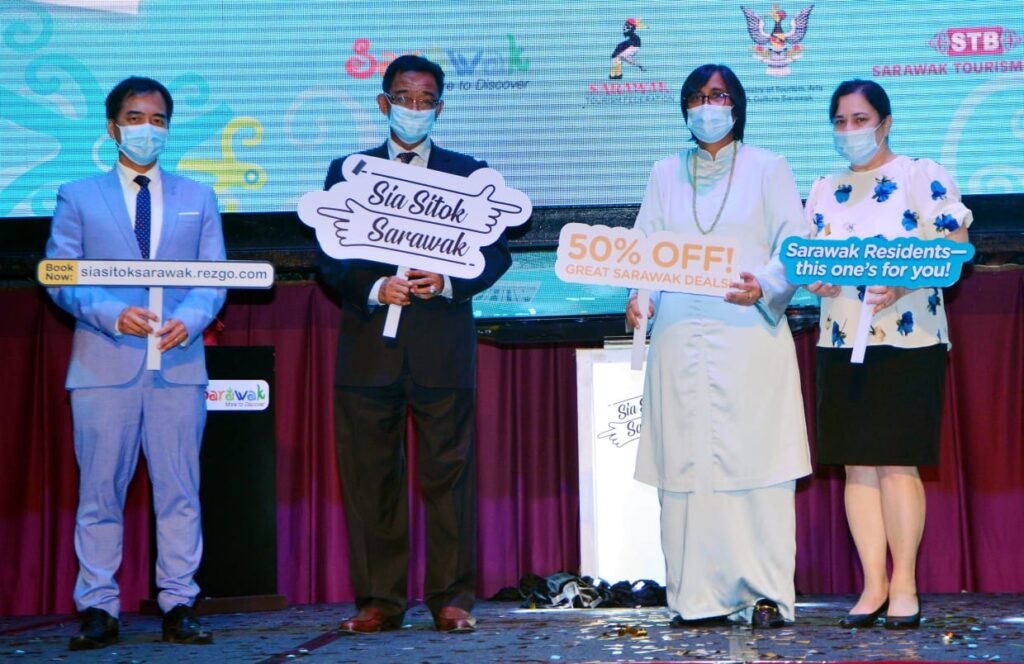
Launched in August 2020, the ‘Sia Sitok Sarawak‘ campaign was a critical pillar in the state’s immediate response to the pandemic’s devastating impact on tourism.
Chief Executive Officer of Sarawak Tourism Board (STB), Shazede Salleh Askor, said its core objective was clear: to stimulate intrastate travel, support its local tourism players, and rebuild public confidence in safe travel experiences, all while the international and even inter-state borders remained close.
“This campaign offered heavily subsidised packages, up to 50 per cent off, for Sarawakians to explore their own backyard. But it was more than just a discount programme; it was a strategic stimulus package designed to keep tourism businesses alive.
“From tour operators and national park guides to hotel owners and transport providers, the campaign provided a vital revenue stream at a time when many livelihoods were on the brink,” she said.
She added that the important element in the campaign was inclusivity, with over 30 tour packages during the initial phase, spanning Kuching to Mulu, and themed around nature, heritage, food, and adventure.
“These included everything from dolphin-watching in the Kuching Wetlands to exploring Bako and Tanjung Datu National Parks, and even niche experiences like a Miri golf tour.
“Frontliners were given early access as a token of gratitude, reinforcing the campaign’s community-first spirit,” she added.
Sharzede said the response towards the campaign exceeded the expectation, with the ‘Sia Sitok 1.0’ generating over RM900,000 in sales from 634 packages within just four months after its launching, which involved nearly 3,700 local travellers.
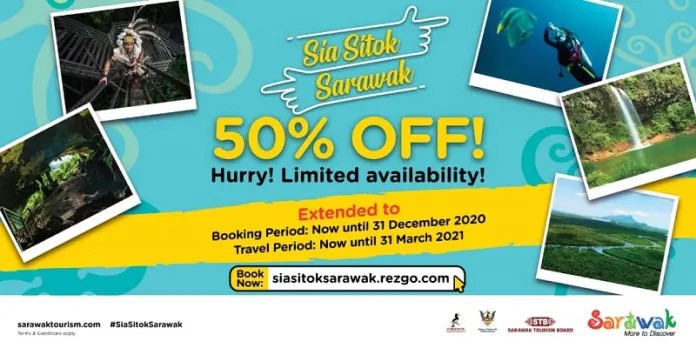
“By early 2021, the numbers grew to over RM1.56 million in revenue, with more than 5,600 participants. These figures were not only encouraging but also instrumental in sustaining many small operators during the industry’s darkest hour.
“Building on that momentum, ‘Sia Sitok 2.0′ launched in 2021 with 60 expanded packages and wider regional coverages. We also introduced ‘Sia Sitok‘ Accommodation, offering exclusive hotel deals to encourage longer stays and deeper engagement with local destinations,” she said.
Perhaps the most lasting impact of the ‘Sia Sitok‘ initiatives, added Sharzede, is the cultural shift it created, which is inspiring Sarawakians to become explorers in their own land.
“From the outset of the ‘Sia Sitok Sarawak‘ campaign, we ensured that tourism offerings were distributed across the southern, central and northern regions of the state.
“By the time we launched ‘Sia Sitok 2.0‘, this had expanded to 60 packages – including 38 in the south, 9 in central Sarawak, and 15 in the north – covering virtually every division.
“It rekindled pride in our heritage, nature and diversity. In fact, the campaign’s success became a springboard for its evolution into Global Sia Sitok Vacations, which was launched in 2023 to attract out-of-state and international visitors using the same proven model,” she added.
The Global Sia Sitok Vacation ran from May 1, 2023, to July 16, 2023, involving 51 merchants and 147 packages via the ‘Enjoy Sarawak’ mobile application.
The campaign targetted 9,000 visitors from outside Sarawak, which was a collaborative effort with the Malaysian Association of Hotels to attract visitors from all over the world.
However, the campaign was not without its challenges, as Sharzede stated that Sia Sitok Sarawak had to be extended, restructured or re-launched multiple times to adapt to the abrupt shifts.
“We were constantly revising timelines and communication strategies, often preparing for multiple scenarios, full lockdown, partial re-opening, or regional bubbles, all at once.
“In hindsight, Sia Sitok was not just recovery mechanism; it became a movement that redefined domestic tourism in Sarawak and will continue to play a role in our long-term strategy,” she said.
The tourism rebound
Although the tourism industry in Sarawak underwent multiple reopening stages, it did not rebound fully until in the later stages of 2021.
Under RMCO, Sarawak began to allow limited specific activities of tourism under the Ministry of Tourism, Creative Industry and Performing Arts (then the Ministry of Tourism, Arts and Culture) on June 17, 2020.
At that time, tour operators, tour guides, homestays, hotels and adventures and extreme tourism, scuba diving, and snorkeling, theme parks (dry park only) were allowed to operate by complying with the standard operating procedures (SOPs) and guidelines established by the State Disaster Management Committee (SDMC).
But things changed in October 2020, when Malaysia saw a surge in COVID-19 cases, largely driven by a major outbreak in Sabah linked to the state election in September.
This development prompted Sarawak to tighten its border controls and impose stricter SOPs to curb the spread of the virus.
This made the tourism industry in Sarawak once again suffer a significant setback, as travel restrictions and tightened border controls stalled its recovery efforts.
From late 2020 until mid-to-late 2021, the Sarawak tourism industry continued to face prolonged challenges, with strict travel restrictions and limited visitor arrivals hampering its recovery.
Then, in September 2021, Deputy Minister of Tourism, Creative Industry and Performing Arts, Datuk Sebastian Ting Chiew Yew, said that Sarawak would also consider opening up ‘green bubble travel’, namely allowing vaccinated travellers from Peninsular Malaysia and Sabah, as well as those from Brunei, Singapore and Indonesia and other countries, to come to the state.
At that time, the local media reported that the ministry was preparing for requirements and guidelines to open the tourism sector once Sarawak had achieved herd immunity against COVID-19 in August 2021 and entered the third phase of the National Recovery Plan (NRP).
Ting said tourism would be one of the first economic sectors to be reopened, where business events and festivals would restart, subject to SOPs approved by the SDMC.
– Photo: The Ministry website
“Most of the events will be held in a hybrid mode to further help the creative industry and promote travel in Sarawak,” he said then.
The breakthrough came on October 1, 2021, when Minister Datuk Seri Abdul Karim Rahman Hamzah announced the opening of domestic tourism here.
He said the SDMC had announced that more activities, including tourism activities and attraction products, would be allowed to operate with effect from October, subject to compliance of the relevant SOPs.
“The tourism activities allowed included accommodation in hotels and homestays, tourism attraction, arts, culture and heritage premises, special interest tourism spa, reflexology, massage centres, and pedicure/manicure services with compliance to the SOPs, issued by the Ministry of Public Health, Housing and Local Government,” he said.
Ten days later (October 11, 2021), the then Prime Minister Datuk Seri Ismail Sabri Yaakob announced the lifting of full interstate travel restrictions, stating that the announcement followed the promise made by the federal government on allowing interstate travel after the overall vaccination rate threshold was reached.
“The adult population vaccination rate under the National COVID-19 Immunisation Programme (NIP) has reached 90 per cent.
“Therefore, the government allows interstate travel for those who have been fully vaccinated without the need to apply for permission from authorities beginning Monday, October 11,” Ismail Sabri said then.
Following the announcement, Sarawak through the SDMC said it would also open its borders for Malaysians from other states without the need for a police permit, agreeing with Ismail Sabri on lifting the inter-state travel ban.
That being said, the SDMC secretariat however said only those vaccinated would be allowed to travel to the state.
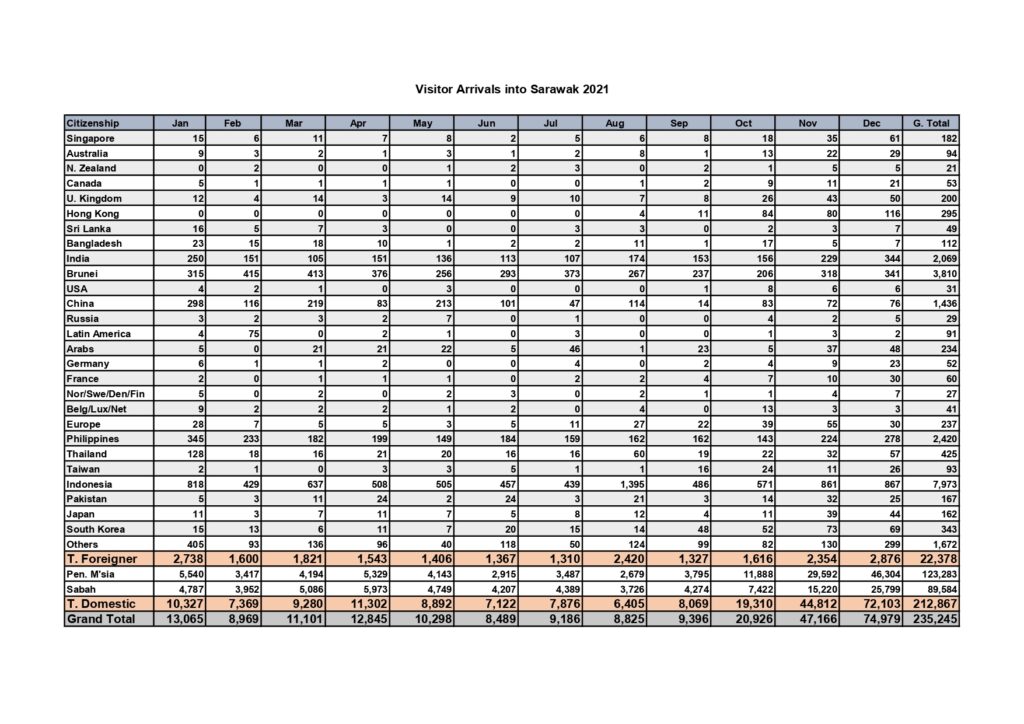
According to data on 2021 domestic tourist arrivals published by the ministry, from October to December 2021, there were 87,784 from the Peninsular Malaysia while arrivals from Sabah (October 2021 to Dececember 2021) accounted for 48,441.
Despite international borders being closed at the time, the tourism industry finally started to look up thanks to the opening of the inter-state border.
When Malaysia reopened its international borders on April 1, 2022, international arrivals to Sarawak began to climb, marking a strong recovery for the state’s tourism industry.
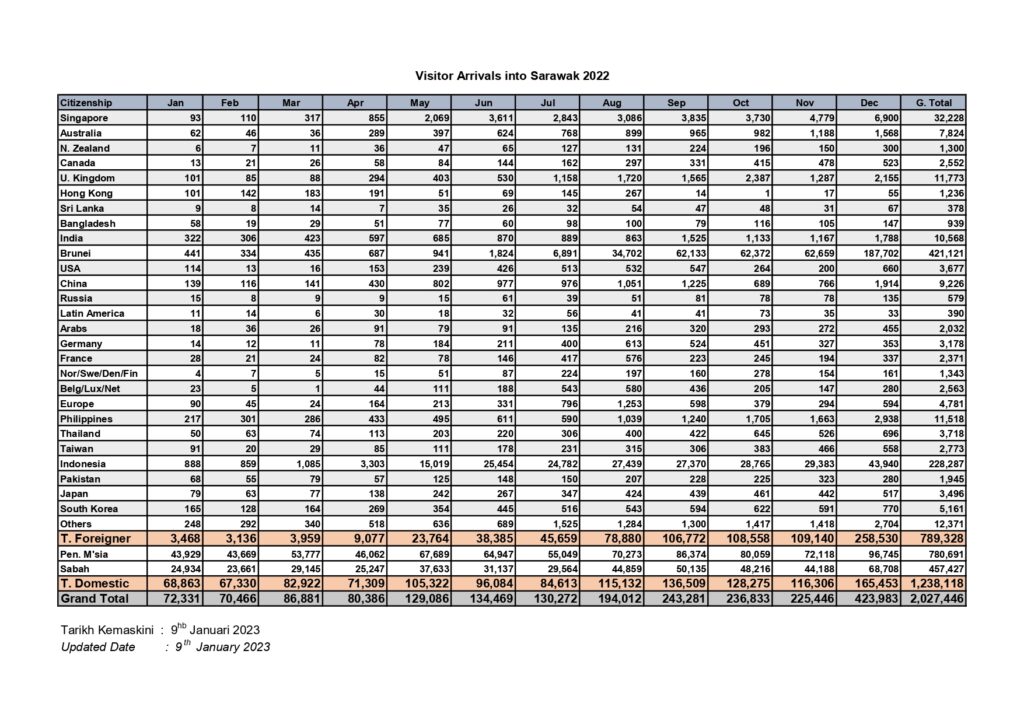
By the end of 2022, Sarawak recorded 789,328 international visitors, a dramatic increase from just 22,378 in 2021.
The return of Sarawak’s prominent festival
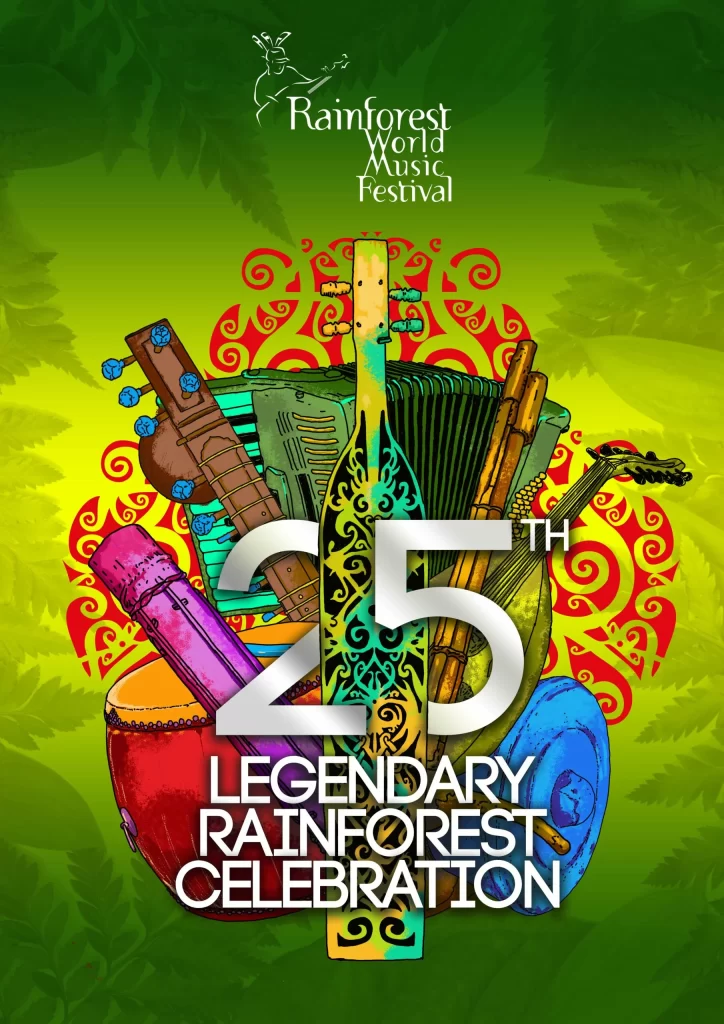
Since its inception in the late 1990s, the Rainforest World Music Festival (RWMF) has grown into one of Sarawak’s most prominent and internationally recognised music events.
However, the COVID-19 pandemic forced the festival to go silent in 2020, despite earlier plans to hold it under strict safety measures.
As cases surged, Abdul Karim announced its postponement, stressing that public safety had to come first.
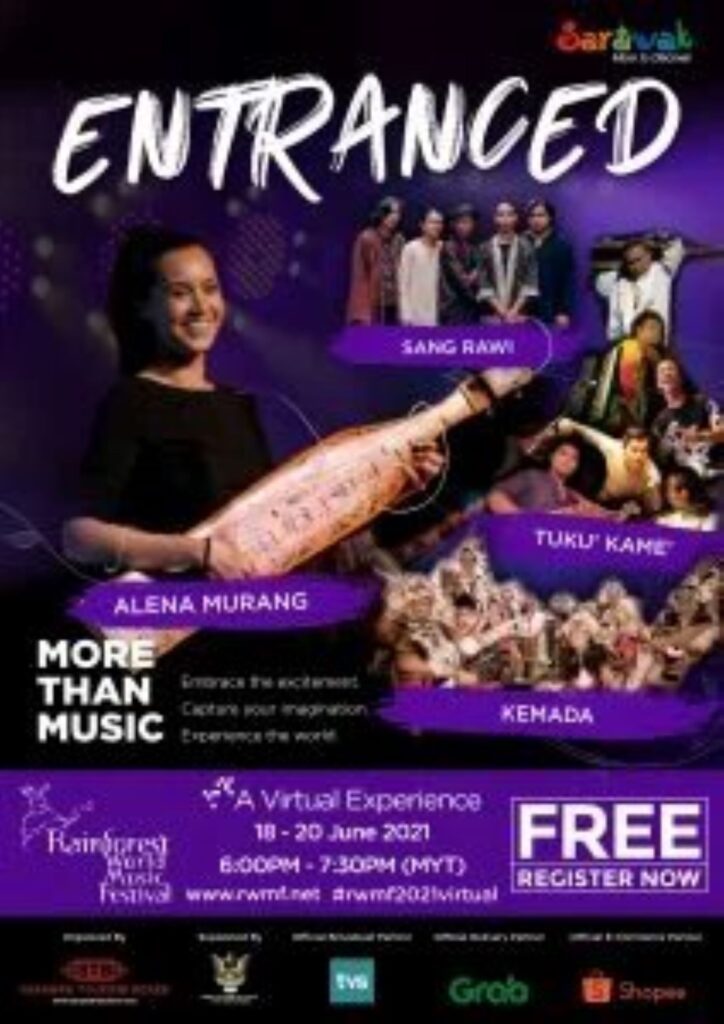
The following year, RWMF made history by going virtual for the first time, attracting more than 12,400 registered viewers.
The RWMF Virtual Experience 2021 featured 3D walkthroughs of the Sarawak Cultural Village, pre-recorded sessions with local artistes, flashbacks of past performances, and exclusive interviews.
When international borders reopened on April 1, 2022, RWMF returned in a hybrid format, combining live performances with online accessibility.
The festival, held from June 17 to 19, 2022, featured over 60 performers from around the globe and drew an impressive 12,000-strong audience.
While most attendees were locals, visitors from 41 countries, including Singapore, the UK, Indonesia and Australia, also joined in.
Abdul Karim highlighted that the hybrid model not only revived the spirit of RWMF but also created new opportunities for Sarawak to share its culture and music with the world, building on lessons from the 2021 virtual edition.
Beyond the RWMF, major events such as the Borneo Jazz Festival, Kuching Jazz Festival, and Kuching Food Festival also returned after the COVID-19 hiatus, marking a strong revival of Sarawak’s festival scene and attracting more visitors from outside the state.
This showed that Sarawak’s tourism industry was not only back on track but was steadily strengthening its position as one of the country’s most attractive destinations.
Sarawak-Malaysia MySecond Home (S-MM2H)
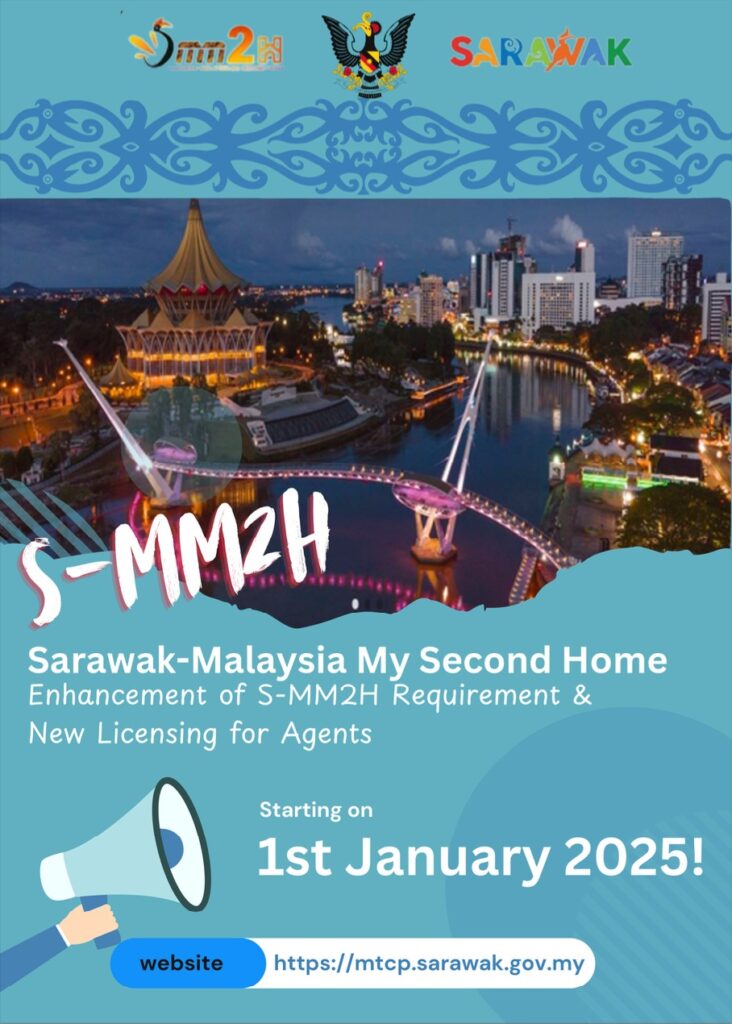
The Sarawak-Malaysia MySecond Home (S-MM2H) programme functions independently of the MM2H, with the goals being to attract long-stay foreign residents specifically to Sarawak.
During the COVID-19 pandemic, there were still approvals though it was 66 approvals in 2020 and 27 in 2021.
On September 1, 2020, the implementation of the S-MM2H Enhanced Requirements and Regulation took effect, with the requirement for the mandatory opening of fixed deposit accounts with any local bank in Sarawak.
Abdul Karim said in 2022, the required amount remained at RM150,000 for individual applicants and RM300,000 for couples, adding that proof of pension funds and offshore income funds were required to demonstrate the financial capability of applicants to support themselves in Sarawak.
Another new requirement he stated was that all the S-MM2H pass holders are expected to fulfil a minimum annual stay duration of 30 days in the state.
After the international borders reopened, Sarawak saw a surge in approvals for the S-MM2H programme, with 231 applications approved in 2023.
Last year, Sarawak approved 450 applications for the S-MM2H, which is the highest since before the pandemic.
With the return of Sarawak’s major festivals, rising S-MM2H applications, and growing domestic and international tourist arrivals, the state’s tourism industry is not only back on track after COVID-19 but also poised to thrive, especially as tourism stands as one of the six pillars of the Post COVID-19 Development Strategy (PCDS) 2030.
In the next part of the series, we will be looking at how the tourism landscape changed five years after COVID-19, and what lies ahead.