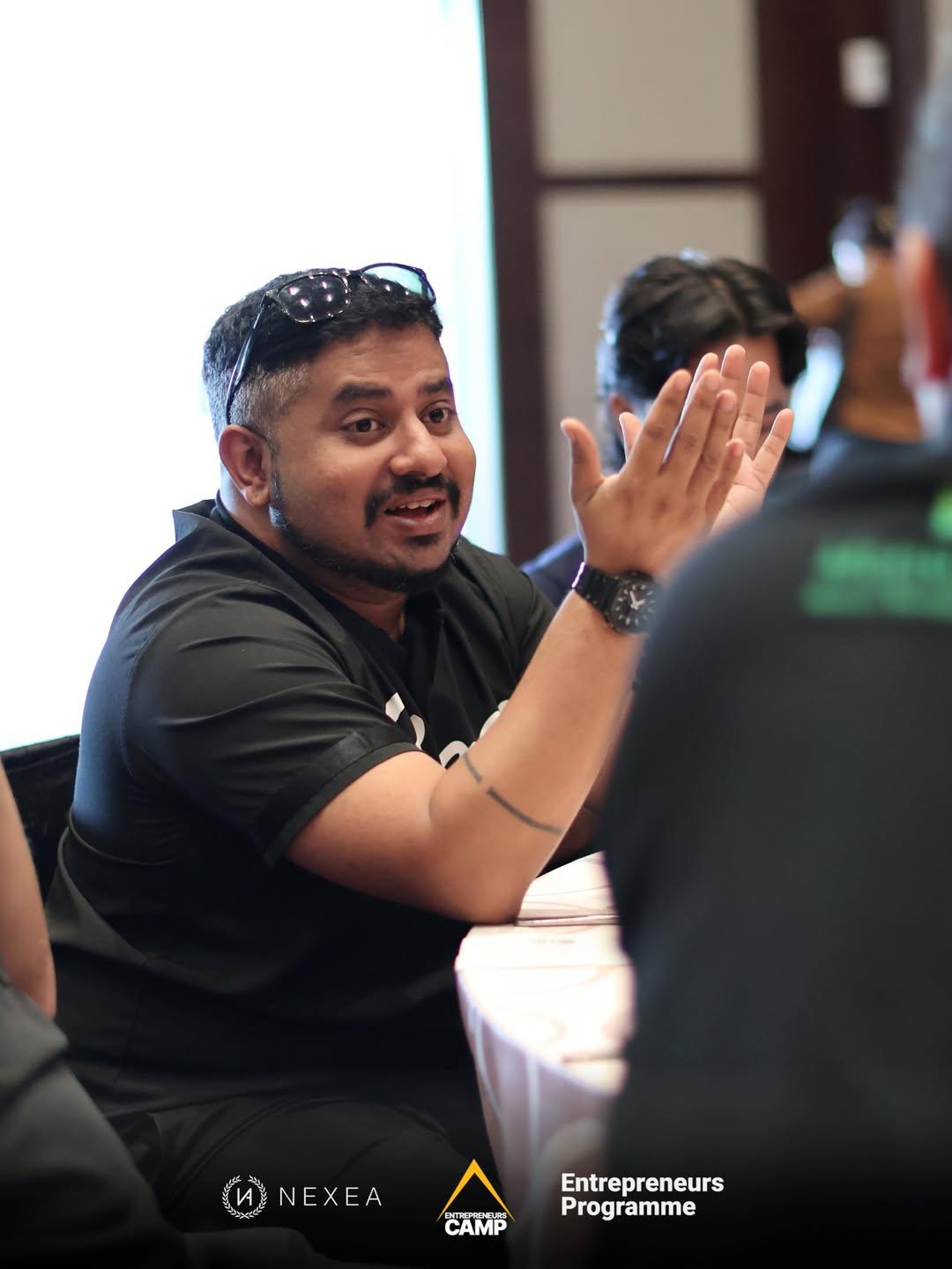
KUCHING: The biggest difference between Malaysia and Silicon Valley is not the size of startup funding rounds, but investors’ willingness to embrace risk, according to Sarawak-born serial entrepreneur Dr Ashweein Narayanan.
The chief financial officer and co-founder of Evolving Brilliance Technologies (EB Tech) said his experience at a global startup competition in Silicon Valley revealed how differently venture capitalists evaluate early-stage businesses.
Speaking on the Sarawak Local Entrepreneurs podcast, Ashweein said his startup was raising between US$300,000 and US$500,000, while many Silicon Valley founders were seeking US$10 million to US$15 million despite having little more than an idea.
“In Malaysia, if you’re trying to raise even RM250,000, investors often expect you to show that you’ve been profitable for the past three years,” he said.
He explained that US venture capital firms operate on a portfolio approach, accepting that only a handful of investments will ultimately generate substantial returns.
“They may invest in 100 companies, knowing only two might become successful, but those two winners are enough to generate returns that cover the rest,” he said.
Ashweein said founders’ track records also carry considerable weight, with previous employment at organisations such as Tesla or NASA, or degrees from leading universities, often helping to build investor confidence before a company generates revenue.
The entrepreneur said participating in a competition involving startups from more than 70 countries also taught him that successful fundraising requires tailoring presentations to different investor audiences.
He said Silicon Valley investors expect founders to present their solution first rather than spend valuable time explaining the problem.
“Instead of spending time explaining the problem, they want founders to clearly state the solution first.
“If investors cannot identify the problem from the solution, then the pitch itself needs improvement,” he said.
Ashweein said Silicon Valley remained a global hub for seed funding, although companies seeking larger growth-stage investments could find better opportunities in China and Europe.
He also cautioned that startups raising money in the United States might later struggle to meet the higher valuation expectations set by American investors.
Although his climate technology startup attracted limited investor interest, he said the current US policy environment had dampened investor appetite for sustainabilityfocused businesses.
Nevertheless, he said pitching before international investors and visiting San Francisco’s innovation ecosystem provided valuable insights into global venture capital expectations and startup growth strategies.