KUCHING: Social media is expected to intensify unity and divisive political messaging ahead of the Sarawak election, with voters urged to distinguish facts from algorithm-driven narratives.
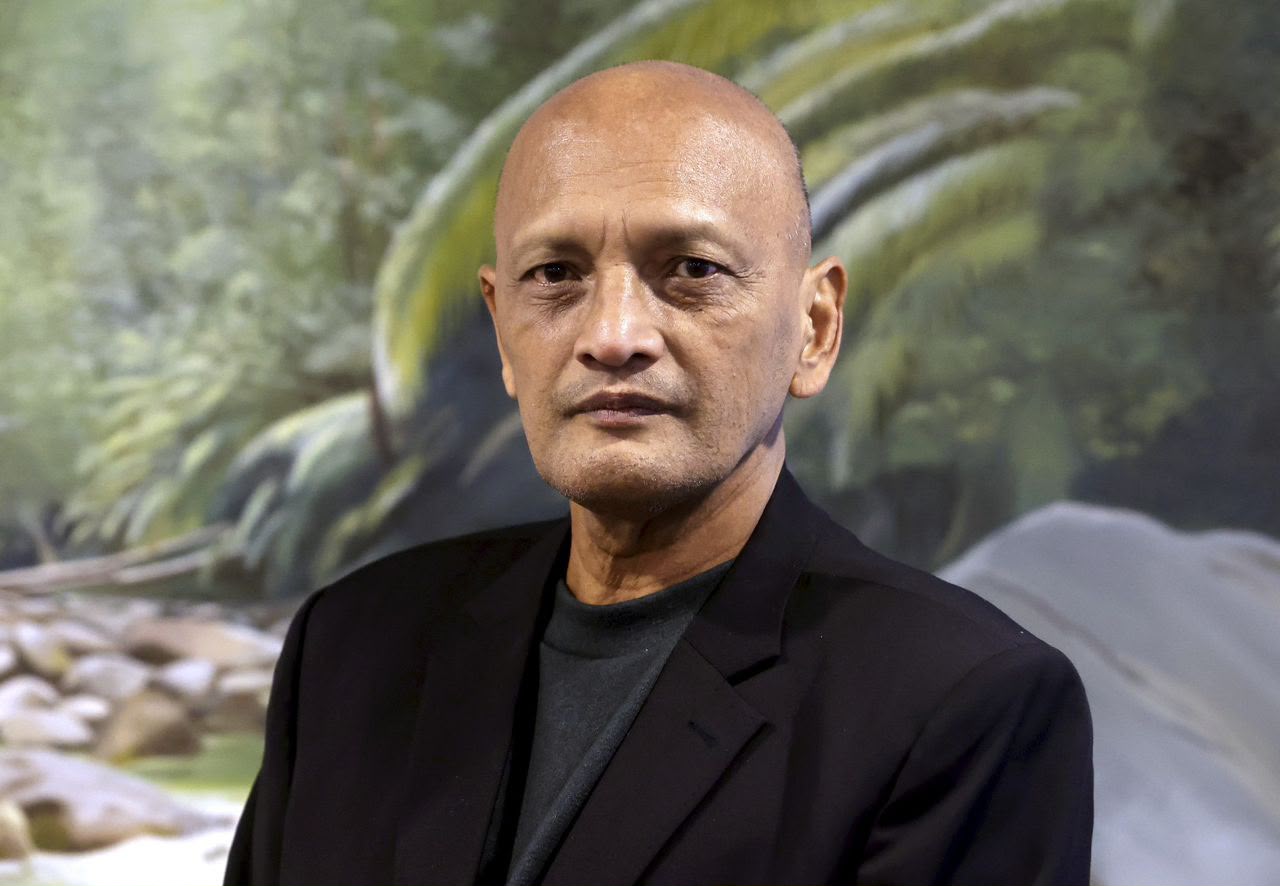
Political analyst, Datuk Dr Lee Kuok Tiung, said social media platforms naturally reward content that generates strong emotional reactions, making divisive messages more visible than discussions centred on policy, governance or unity.
Lee, an associate professor at the Faculty of Social Sciences and Humanities, Universiti Malaysia Sabah, said users are often unknowingly trapped in “echo chambers” where algorithms continuously reinforce similar viewpoints.
“These platforms tend to amplify rhetoric that creates anxiety and the perception of growing polarisation, even though such divisions may not necessarily reflect the realities on the ground,” he said.
He noted that Sabah and Sarawak have long been regarded as among Malaysia’s strongest examples of racial harmony and religious tolerance.
However, he cautioned that certain parties or “political actors” have attempted to exploit sensitive ethnic issues to stir dissatisfaction, anger and mistrust or hatred among communities.
According to Lee, one recent example involves attempts to highlight the representation of non-Muslim Bumiputera, particularly the Dayak community, and Chinese Malaysians in senior positions within the civil service and state-owned enterprises or government-linked companies (GLCs).
“When demographic breakdowns or leadership lists are circulated on social media ahead of an election, they are clearly intended to become strategic political weapons for gaining public support,” he said.
Lee stressed that concerns over the alleged marginalisation of the Dayak community, often framed as “Dayakism”, should instead be viewed through the principles of meritocracy and administrative justice.
He argued that appointments should be based on qualifications, competence and technical expertise rather than ethnic considerations alone.
“In today’s environment, leadership positions in modern GLCs and statutory bodies increasingly require specialised knowledge, particularly as Sarawak expands into strategic sectors such as green energy, hydrogen, carbon trading and the digital economy,” he explained.
Lee said the state’s approach to inclusivity and power-sharing should also be understood within the broader framework of the “Sarawak Model” under the Sarawak First agenda.
He pointed to the Sarawak Government’s recognition of the Unified Examination Certificate (UEC) for recruitment into the state civil service as an example of inclusive policymaking.
Unlike the federal government’s more cautious stance, Sarawak allows UEC holders to apply for state civil service positions, provided they have obtained at least a pass or credit in Bahasa Melayu at the SPM level.
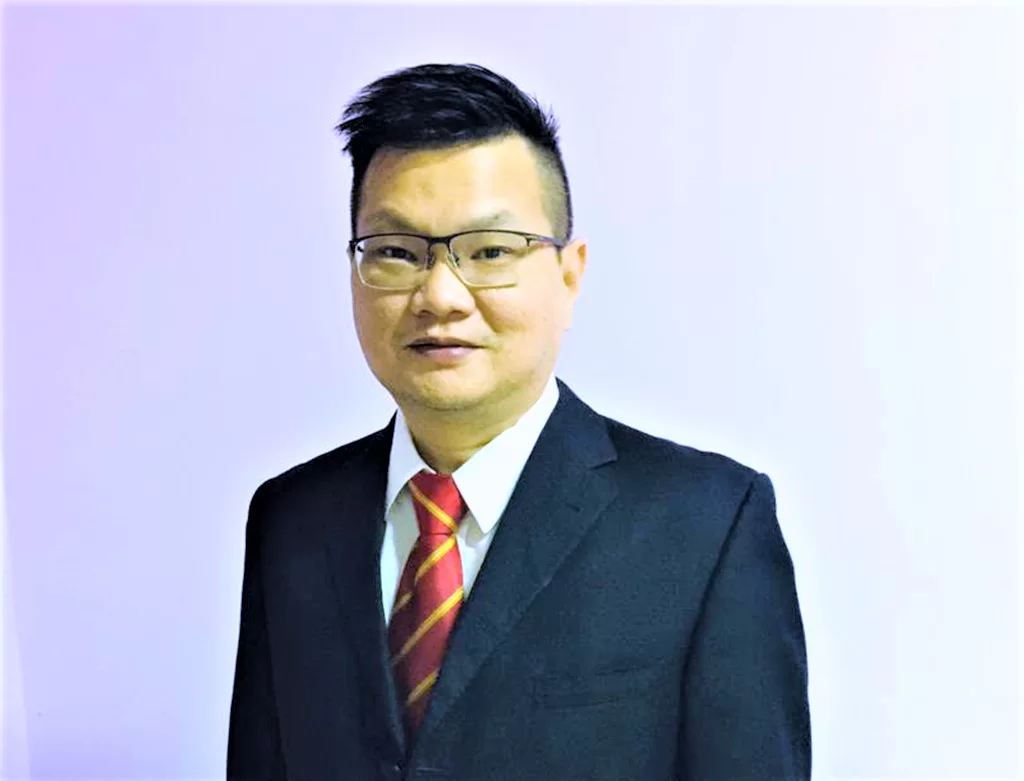
He added that Premier Datuk Patinggi Tan Sri Abang Johari Tun Openg had further expanded recognition by allowing UEC holders to apply for Yayasan Sarawak loans and scholarships, as well as admission into state-owned universities, including Swinburne University of Technology Sarawak Campus and Curtin University Malaysia.
Lee observed that debates over ethnic representation in senior government agencies and GLCs are increasingly framed differently within various digital communities, where discussions on inclusivity are often intertwined with claims that political power remains concentrated among certain elites.
He said voters should therefore critically evaluate online political messaging and focus on policies, governance and long-term development rather than emotionally charged narratives that may deepen perceived divisions ahead of the state election.