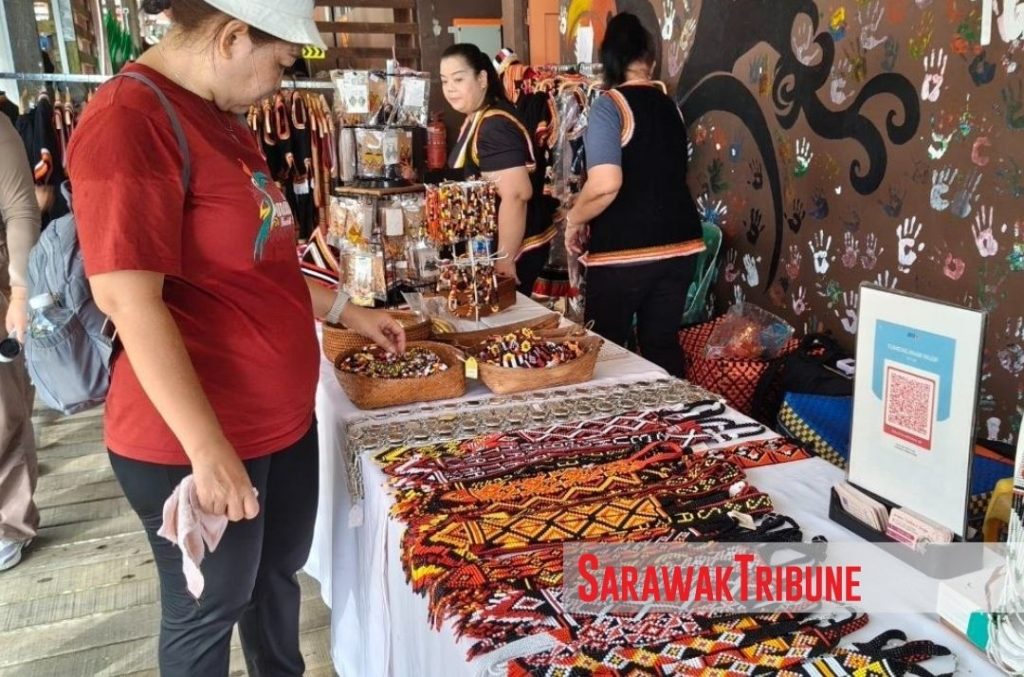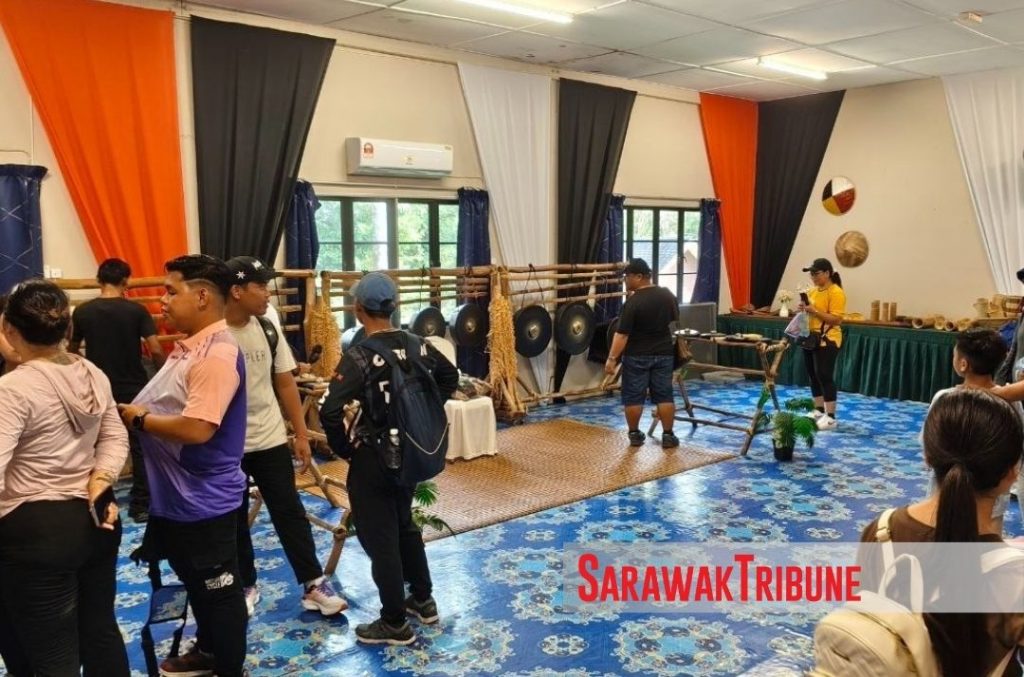
BAU: Bung Bratak Heritage Centre (BBHC) is set to emerge as a stronger eco-tourism and cultural heritage destination following the provision of 24-hour electricity supply, with more development expected in Kampung Tembawang under the Greater Kuching Coordinated Development Agency (GKCDA).
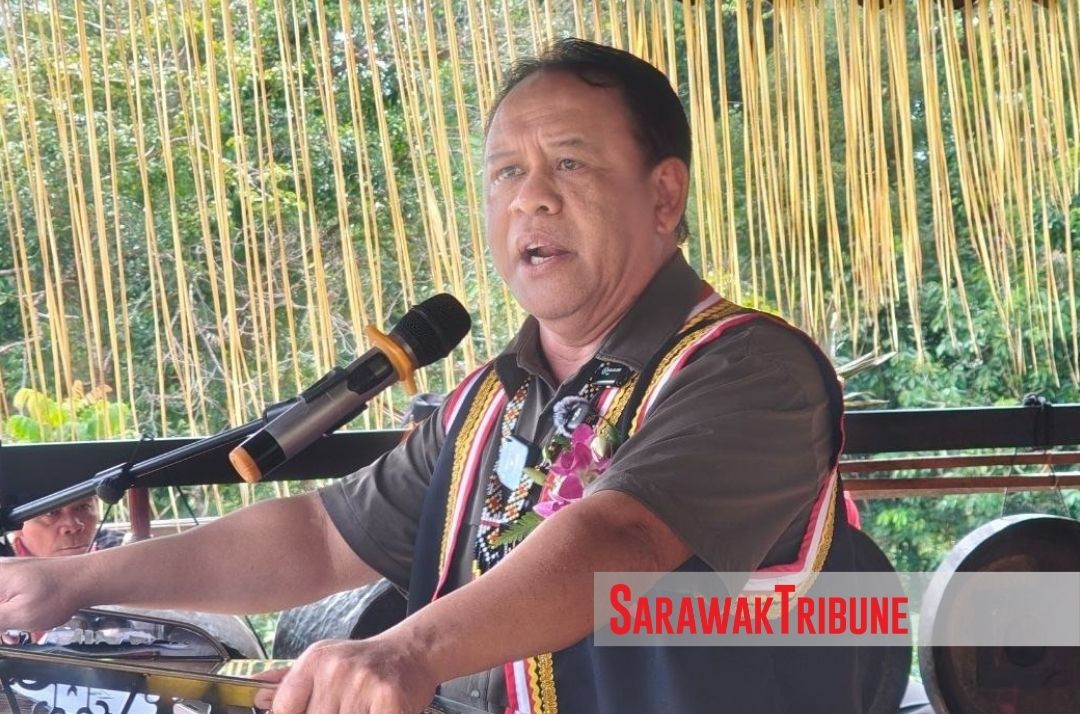
Deputy Minister for Transport, Datuk Henry Harry Jinep, said BBHC had waited more than 10 years for stable electricity, and the new supply will position the centre as a potential eco-tourism hotspot.
Henry credited Opar assemblyman, Billy Sujang, for his efforts in ensuring electricity is extended to the area, which falls under his constituency.
“The long-awaited electricity supply marks a significant milestone for the Bidayuh community, which previously relied on inconsistent generator power.
“For more than 10 years, the community waited for stable electricity. Today, we finally have 24-hour supply, and this will change the development landscape of Bung Bratak,” he said when officiating Bung Bratak Day at BBHC today (May 1).
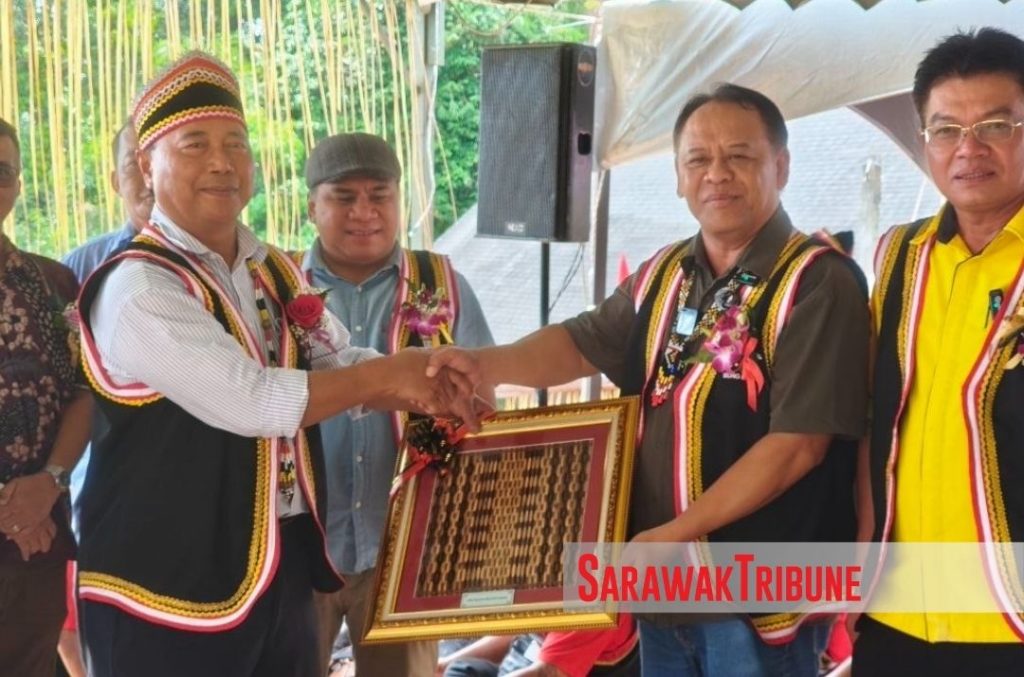
Henry also highlighted that improved infrastructure, including road connectivity, electricity and water supply, will attract more visitors and boost local economic activities.
He proposed upgrading the road linking Kampung Tembawang to Bung Bratak to improve accessibility.
“I have discussed this with Billy. If there is more allocation for GKCDA, I proposed to him to request to enlarge the road along Kampung Tembawang to Bung Bratak. We will continue to support and help him with his effort for this.
“With better roads and basic facilities, more people will come. Bung Bratak is not far from Kuching and Bau, making it a strategic tourism location.
“Other than Bung Bratak, we also have Bung Jagoi and Dorod Singai, which are attractions for visitors and also require better road connectivity and facilities,” he said.
Henry stressed the importance of balancing development with environmental conservation, urging minimal land clearing and better utilisation of existing facilities.
He also suggested developing a chapel within existing structures to reduce maintenance costs and environmental impact.
He noted that Bung Bratak’s development aligns with the United Nations Sustainable Development Goals (SDGs), particularly in sustainable communities, economic growth and environmental preservation.
“This proves that heritage conservation and economic development can move forward. Therefore, preserving our Bidayuh culture and heritage is key to maintaining community identity.
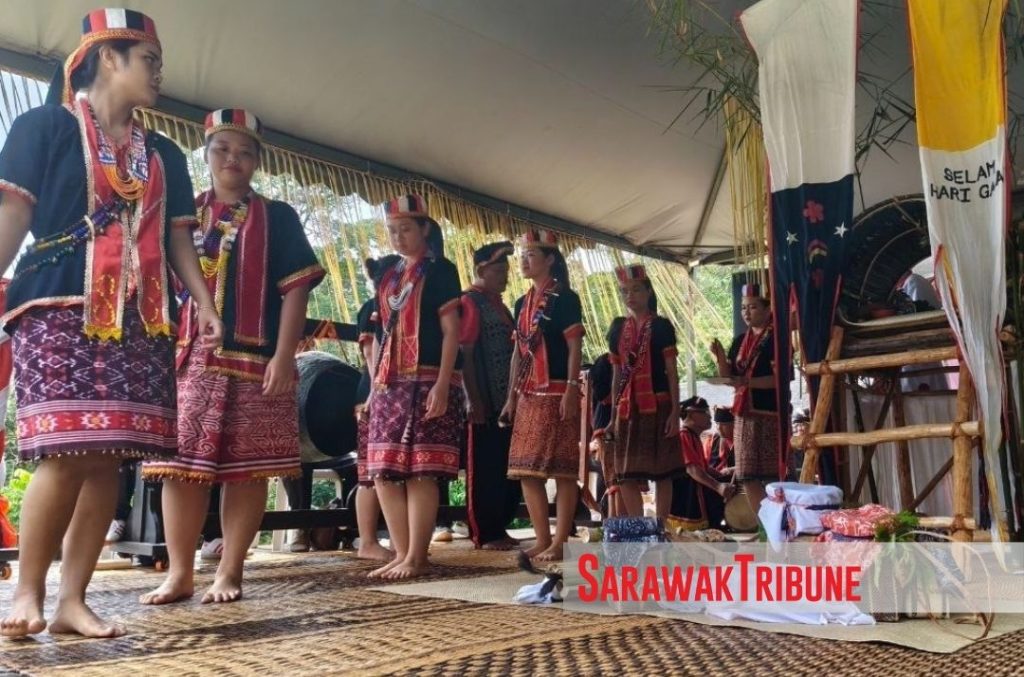
“Without our culture and heritage, we lose our identity. Every May 1, Bung Bratak Day showcases who we are,” he said.
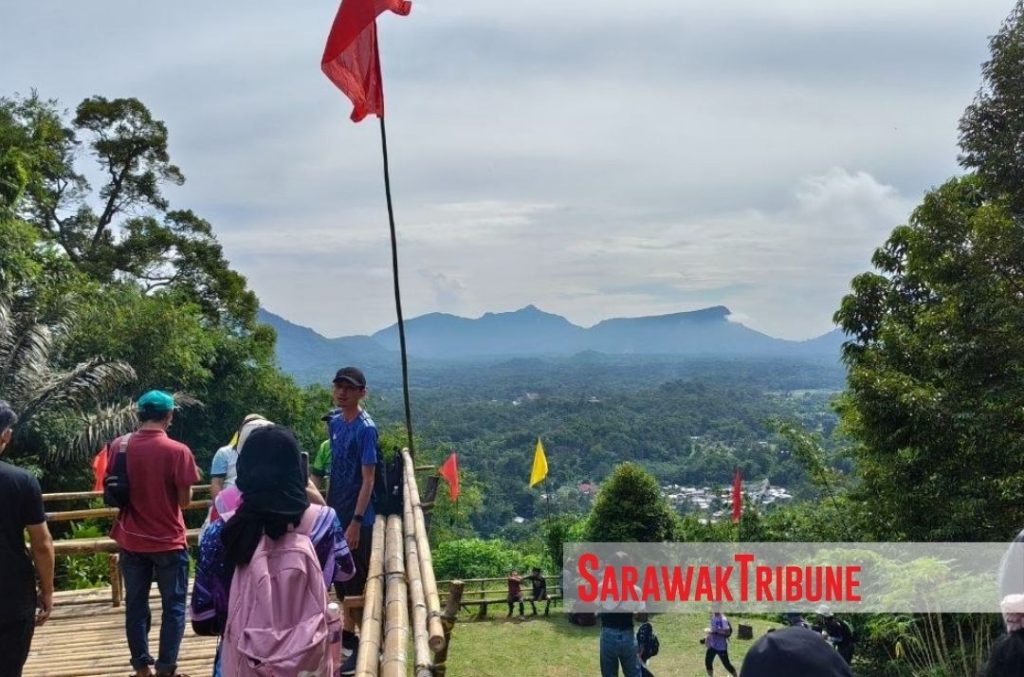
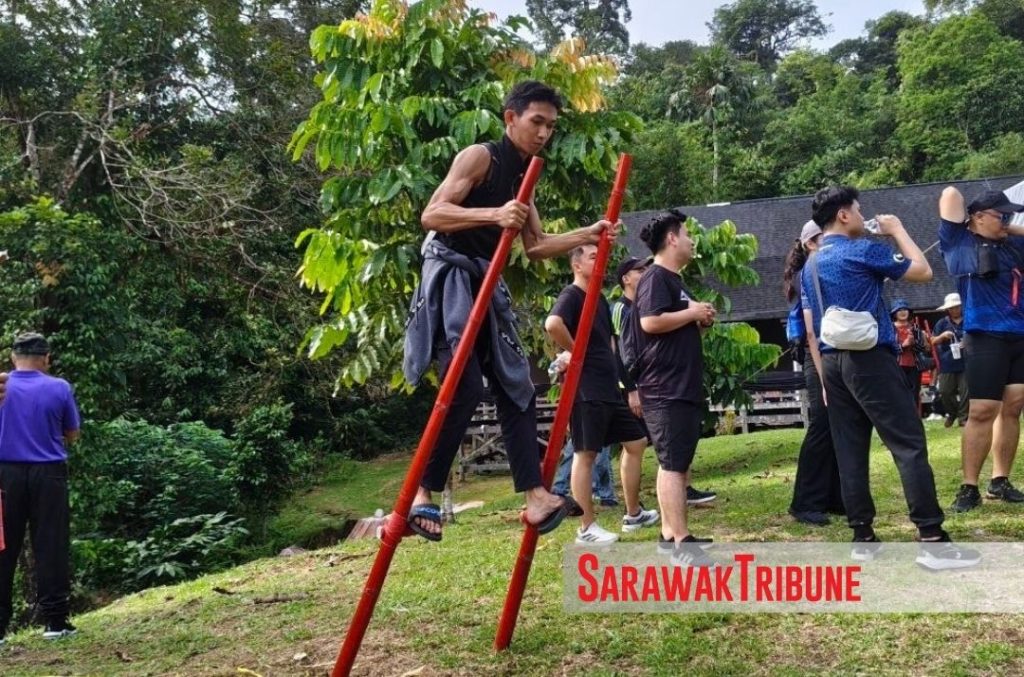
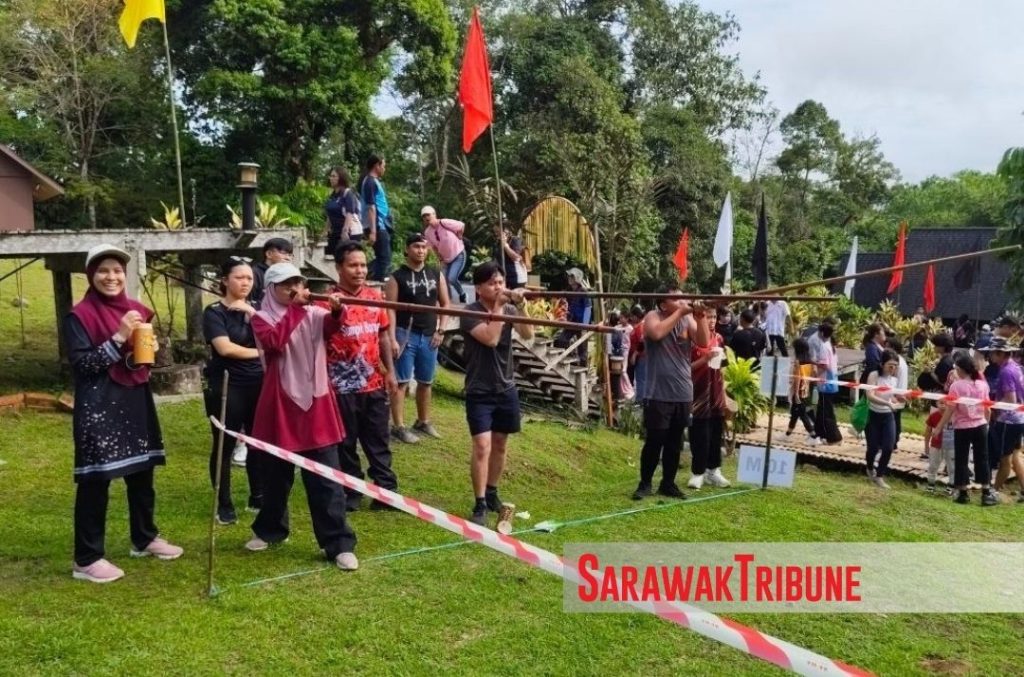
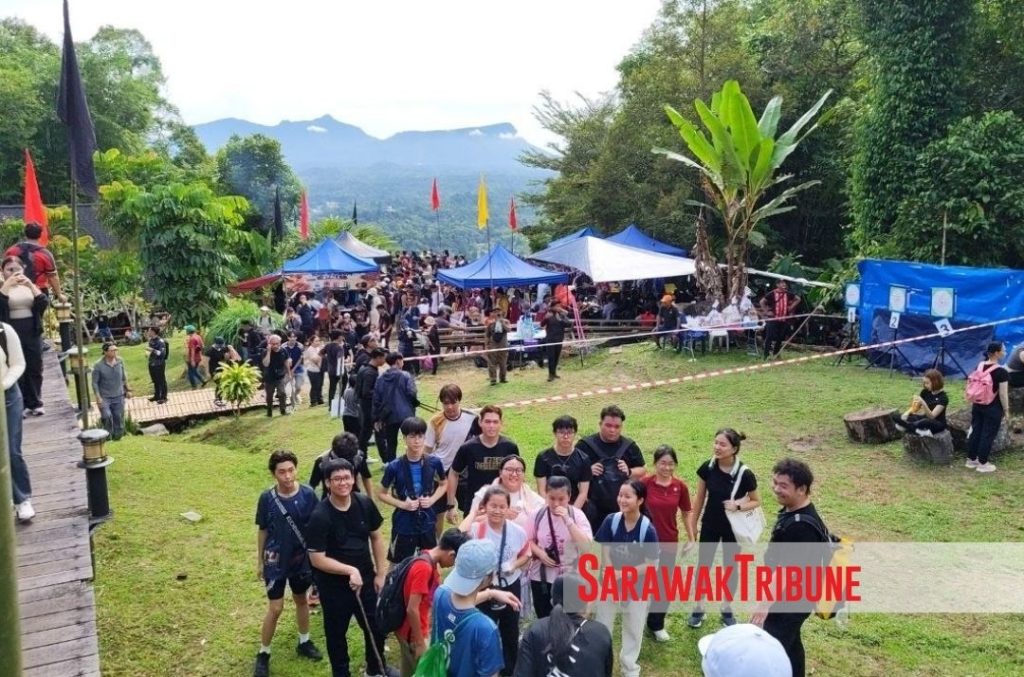
Henry commended the strong turnout at Bung Bratak Day, including visitors from outside Bau, describing it as proof of the site’s growing appeal.
He also expressed appreciation to organisers, community leaders and volunteers for ensuring the success of the event.
He urged the younger generation to continue preserving and understanding their heritage.
“With continuous effort and cooperation, Bung Bratak will remain a living heritage for future generations,” he said.