MUKAH: No trip to Mukah is truly complete without visiting and experiencing the district-owned local coffee stall fondly known as ‘Starbucks Mukah’.
Officially named Gerai Kopi Market Dana, but more popularly referred to as ‘Starbucks Mukah’, this humble stall has become a must-stop destination for those who want to sample affordable local dishes and traditional snacks.
According to Razali Junis, a retired firefighter who now manages the stall, Starbucks Mukah is a family-run business that has been passed down through generations.
“The stall opens as early as 8:30 a.m. and runs until 11 a.m.
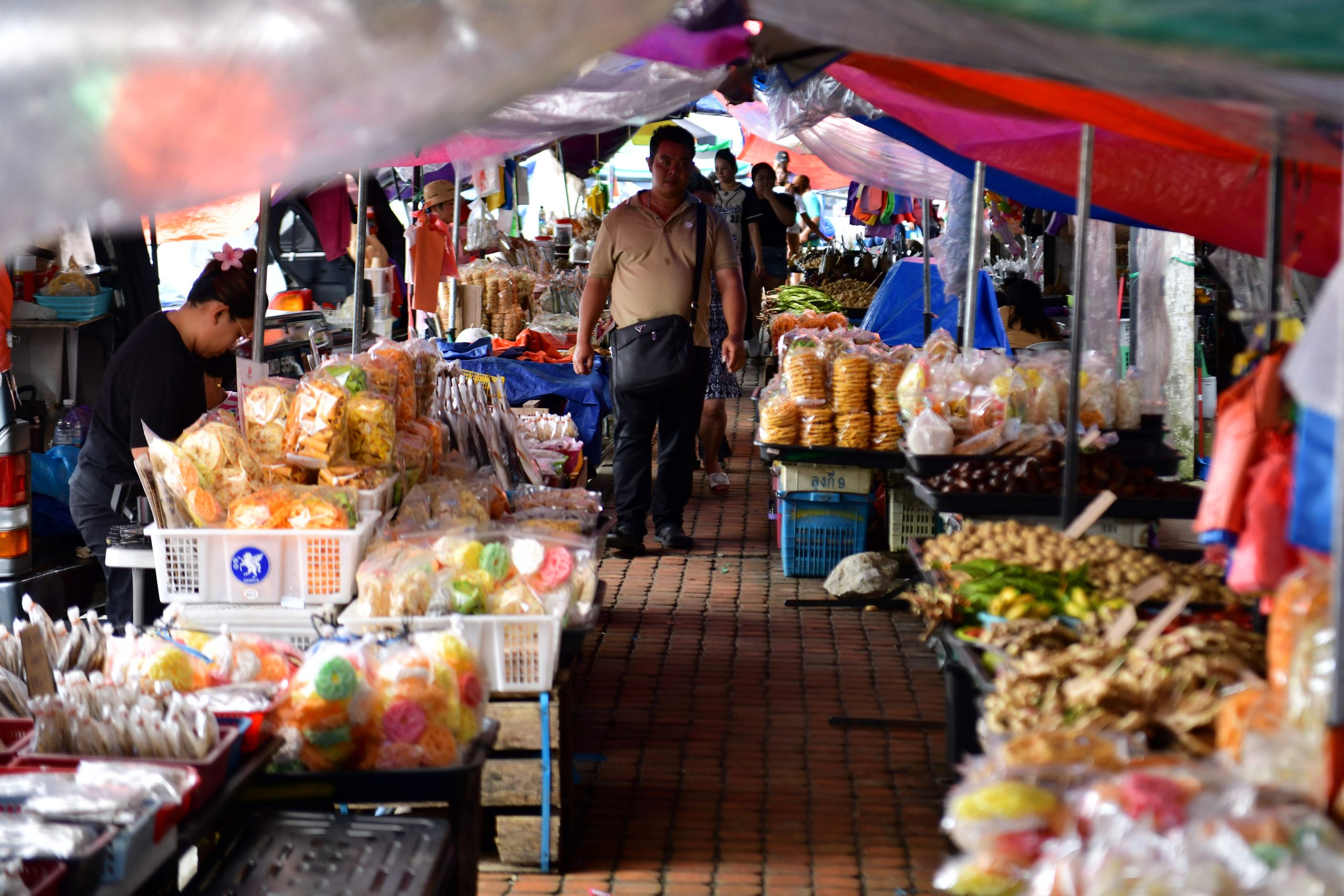
“We serve a variety of traditional cakes and snacks, coffee, tea and other drinks for our customers. Our most popular items include grilled tapai (fermented glutinous rice), cakoi (Chinese fried dough), and an assortment of local delicacies.
“Prices are very reasonable – a small cup of coffee is RM2, while a large one is RM3.50. Not too expensive, not too cheap; just in line with the times,” Razali told Sarawak Tribune .
For Peruvian chef, Eduardo Vargas, one of the guest chefs participating in the ‘Magnificent Sarawak: Gastronomy Adventures’ tour, visiting the stall was a highlight as he enjoyed immersing himself in the local food culture.
“It’s amazing to blend in with the locals and experience food that’s completely different from what you get at a hotel breakfast,” he said.
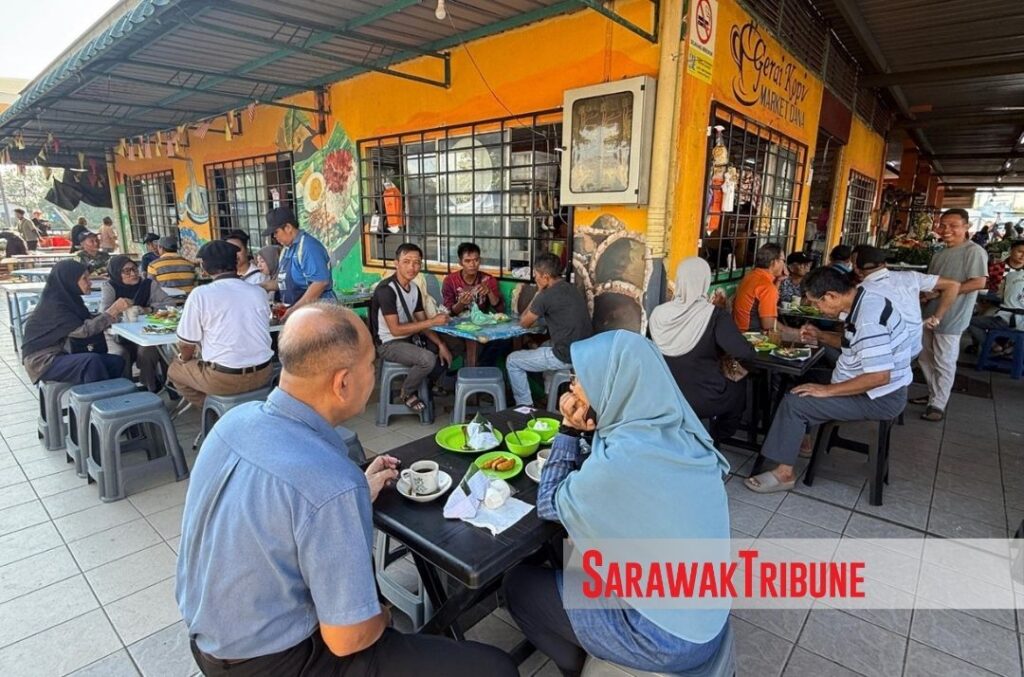
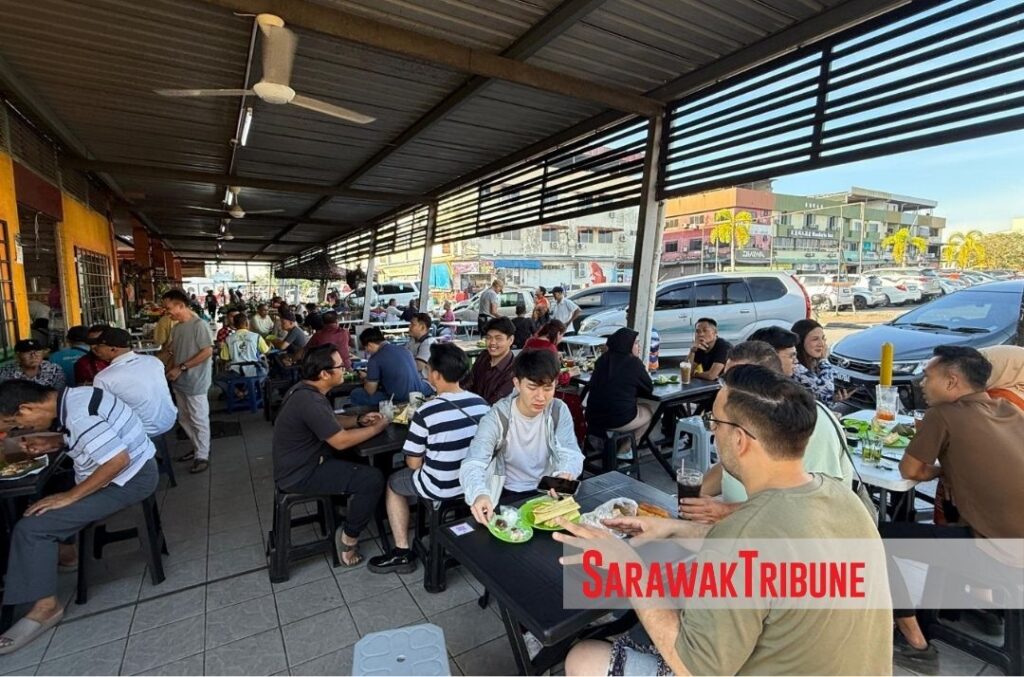
“I loved the banana leaf-wrapped nasi lemak, the coffee, and the banana fritters. I’m thrilled to be here; it’s been a fantastic experience,” Eduardo added.
The culinary itinerary in Mukah also includes witnessing the traditional process of making sago flour, live demonstrations of signature dishes such as umai and linu t, as well as showcases of local handicrafts made by the community.
Mukah is one of the featured stops in the ‘Magnificent Sarawak: Gastronomy Adventures’ programme, a food and culture initiative curated by MULU Global Media under the MULU Group China.
After Mukah, the journey continues to Kuching, where participants will explore Bidayuh and Chinese cultural influences.
They will sample beloved local dishes like Sarawak laksa and kolo mee, and visit places such as pepper plantations, nipah palm groves (for gula apong), and an empurau fish farm for deeper insight into Sarawak’s rich culinary landscape.