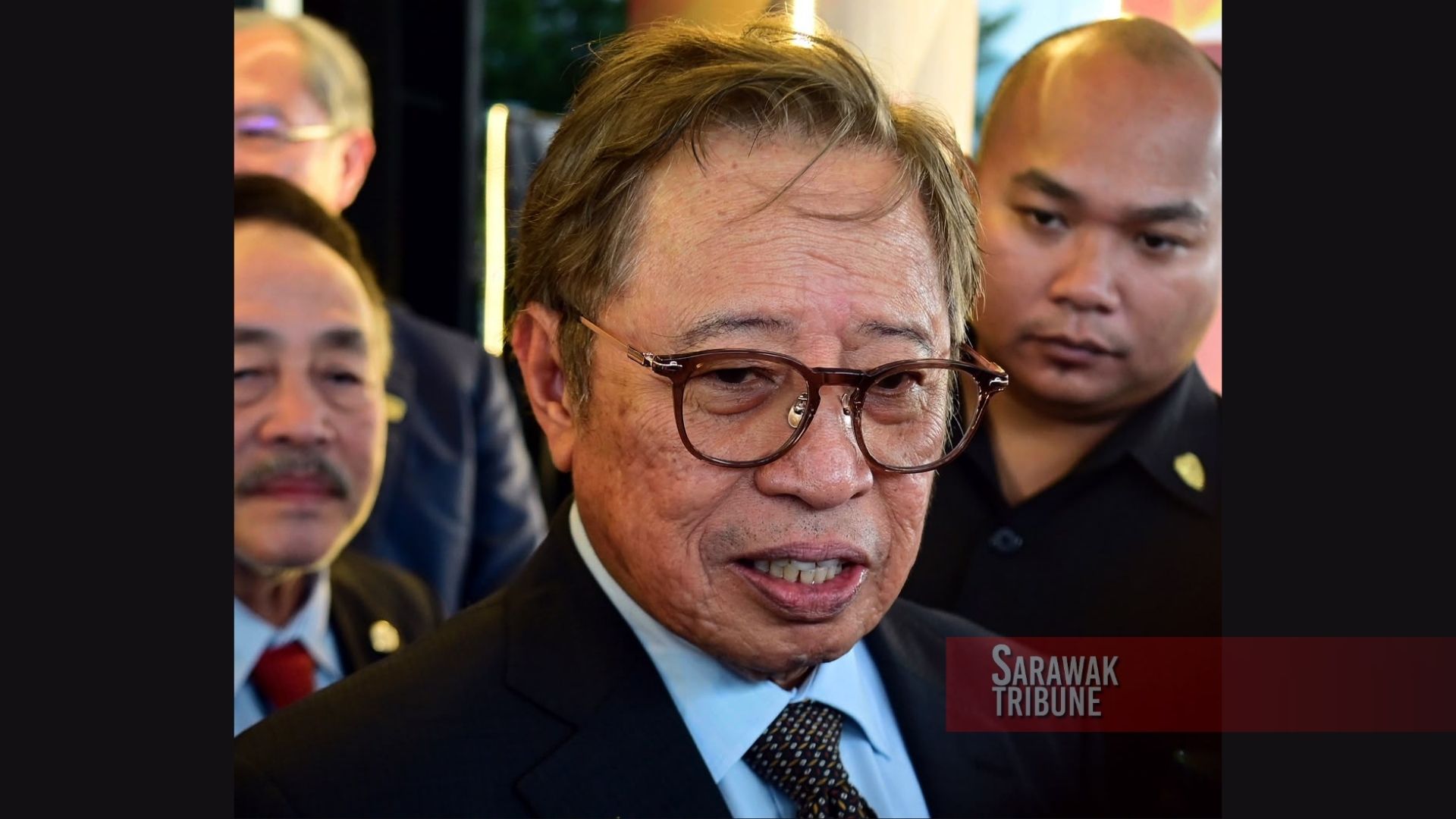
MIRI: Federal fuel subsidy policies must reflect the realities of life in Sarawak’s interior, where four-wheel-drive vehicles and boats are essential for daily living rather than a luxury, according to Dominic Nyurang Ajang, political secretary to the Premier.
In this context he feared the government’s 200-litre subsidised fuel quota for private vehicles may not adequately address the needs of rural communities in remote areas such as Ulu Baram, where transport options remain limited and costly.
In many interior settlements, diesel-powered four-wheel-drive vehicles serve as the primary mode of transport, enabling residents to travel to farms, take children to school, seek medical treatment, access government services and conduct business in nearby towns.
“Owning a four-wheel-drive vehicle in the interior is not a luxury. It is a necessity,” he said, noting that logging roads remain the main, and in some areas the only, land links connecting rural communities to the outside world.
He said the high cost of diesel places an added burden on residents who already face significant vehicle maintenance expenses due to poor road conditions, landslides, washouts and damaged routes that often disrupt travel.
“Affordable diesel is critical in helping to reduce the high cost of transportation faced by people living in the interior,” he said.
Dominic also highlighted the continued dependence on river transport in many rural areas, where boats remain the primary means of travel.
“As such, rising petrol prices also place considerable pressure on rural households. More affordable petrol through targeted subsidies is equally important for these communities,” he said.
While assistance is available through the Ministry of Domestic Trade and Cost of Living (KPDN), he said fuel supplies allocated to rural areas are at times insufficient to meet local demand.
For communities in Baram, Belaga, Kapit and other remote parts of Sarawak, affordable fuel is not merely a matter of convenience but a necessity that supports mobility, access to essential services and the overall cost of living, he added.
Dominic urged policymakers to take into account the unique challenges faced by rural Sarawakians when designing and implementing fuel subsidy programmes.
“The unique realities faced by Sarawak’s rural communities must be considered to ensure assistance reaches those who genuinely depend on subsidised fuel in their daily lives,”