
“Let food be thy medicine and medicine be thy food.” – Hippocrates
WALK into almost any supermarket, Watsons, Guardian, Caring Pharmacy, or even browse TikTok Shop for a few minutes, and one thing quickly becomes obvious: we are surrounded by products promising better health.
Collagen drinks for youthful skin. Mushroom coffee for sharper focus. Sea moss gel for immunity. Apple cider vinegar gummies for weight management. Matcha, chia seeds, probiotics, kombucha, turmeric shots and countless supplements all claiming to support a healthier lifestyle.
Yet behind every capsule, powder, herbal tea or functional drink lies a question that scientists spend years trying to answer: does it really work?
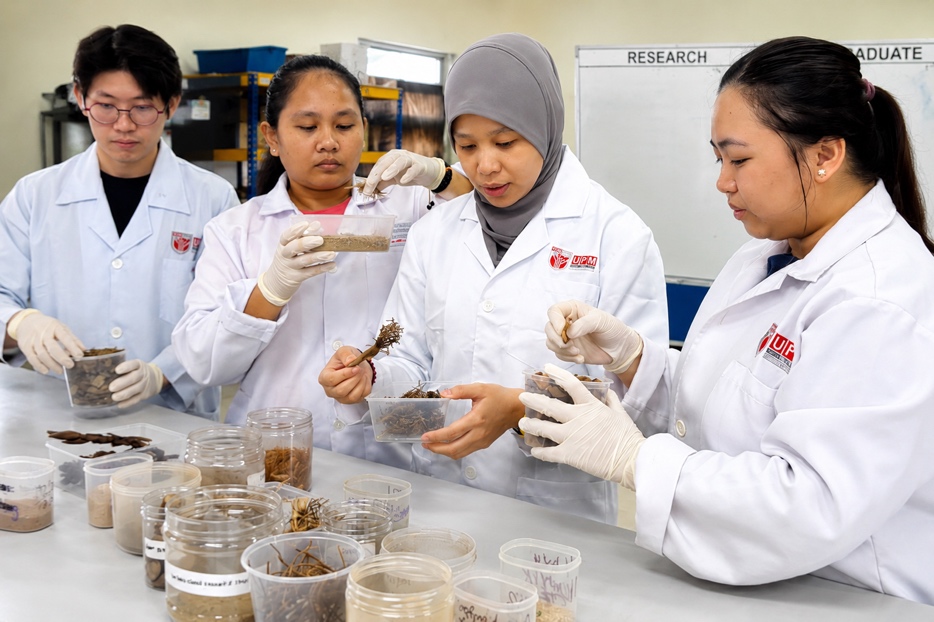
As someone whose research focuses on medicinal plants and natural bioactive compounds, I have seen first-hand how a promising plant begins its journey, not on a pharmacy shelf but in the laboratory.
Long before a plant becomes a capsule, herbal tea or health supplement, scientists must first identify its bioactive compounds, determine whether they are safe, understand how they work in the body, and verify their health benefits through rigorous laboratory studies. This process often takes years, sometimes decades.
By the time consumers see the final product, much of that scientific journey is invisible.
Instead, what they see are attractive packaging, persuasive advertisements and labels such as natural, organic, functional or the ever-popular superfood.
The word itself is fascinating.
Despite its widespread use, “superfood” is not a scientific classification. It is primarily a marketing term used to describe foods believed to provide exceptional nutritional or health benefits. While many so-called superfoods are genuinely rich in vitamins, minerals, antioxidants and other beneficial phytochemicals, no single food possesses magical properties capable of preventing disease or replacing a healthy lifestyle.
Perhaps what many of us are really searching for is not a superfood, but a shortcut to good health?
In today’s fast-paced world, that is understandable. We juggle demanding careers, family commitments and increasingly sedentary lifestyles. It is tempting to believe that one drink, one powder or one supplement can compensate for poor eating habits, inadequate sleep or lack of physical activity.
Unfortunately, biology does not work that way.
Good health is rarely built on a single ingredient. It is built on consistent habits.
This does not mean functional foods or medicinal plants are without value. On the contrary, many have demonstrated remarkable potential.
Foods such as oats, fermented foods, berries, green tea and turmeric have been extensively studied for their health-promoting properties. Around the world, researchers continue exploring how naturally occurring compounds may support healthy ageing, improve gut health, reduce inflammation and help lower the risk of chronic diseases.
But there is an important distinction between promising evidence and proven health claims.
One positive laboratory study does not automatically mean a product is effective in humans. A traditional remedy that has been used for generations deserves scientific respect, but it must still undergo careful validation. Dosage, preparation methods, interactions with medications and long-term safety all matter.
Science is not trying to make health products more complicated.
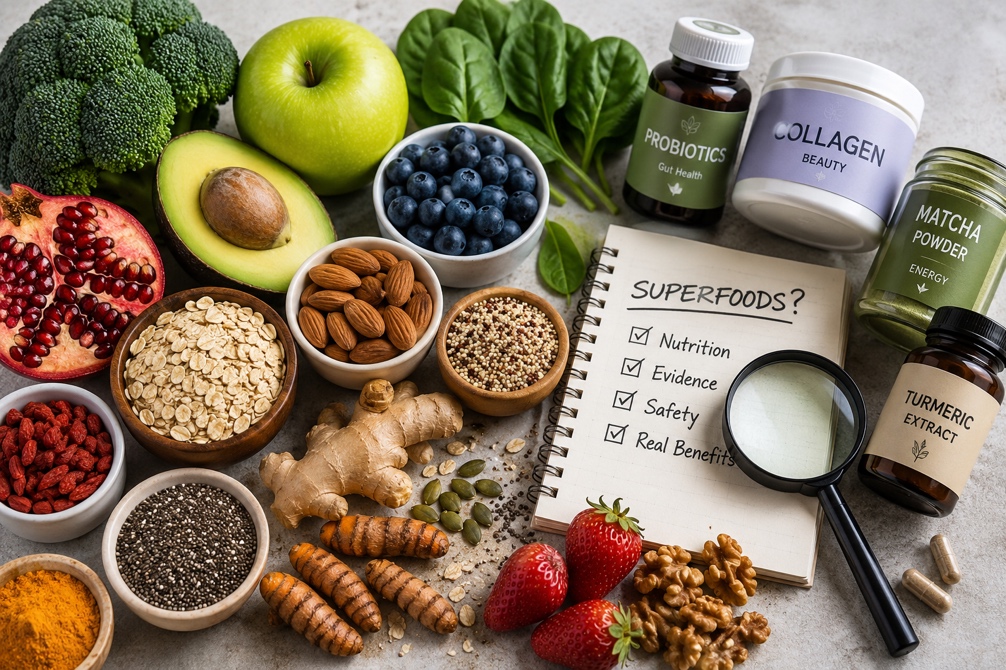
Science is trying to make them more trustworthy.
This is especially important as the global demand for functional foods and nutraceuticals continues to grow. Consumers today are not simply buying food; they are buying the promise of healthier lives. That promise carries a responsibility for researchers to produce credible evidence, for manufacturers to market products ethically, and for consumers to make informed decisions.
What excites me most is not the next trending superfood.
It is the incredible diversity of plants and natural resources that remain scientifically unexplored. Many species that have long been part of traditional knowledge may contain valuable compounds waiting to be understood. Through responsible research, they may one day contribute to healthier foods, innovative nutraceuticals and sustainable bio-based industries.
But those discoveries should never be driven by hype.
They should be driven by evidence.
The next time a new “miracle” food appears on your social media feed or catches your attention on a pharmacy shelf, pause for a moment.
Instead of asking, “Is this the next superfood?”, perhaps ask a different question: What does the science actually say? Because the healthiest choice we can make is not chasing the latest health trend. It is learning to distinguish between marketing and evidence, and recognising that there has never been a single magic food, only better-informed choices.
The views expressed here are those of the writer and do not necessarily represent the views of Sarawak Tribune. The writer can be reached at ab_fauziah@upm.edu.my.