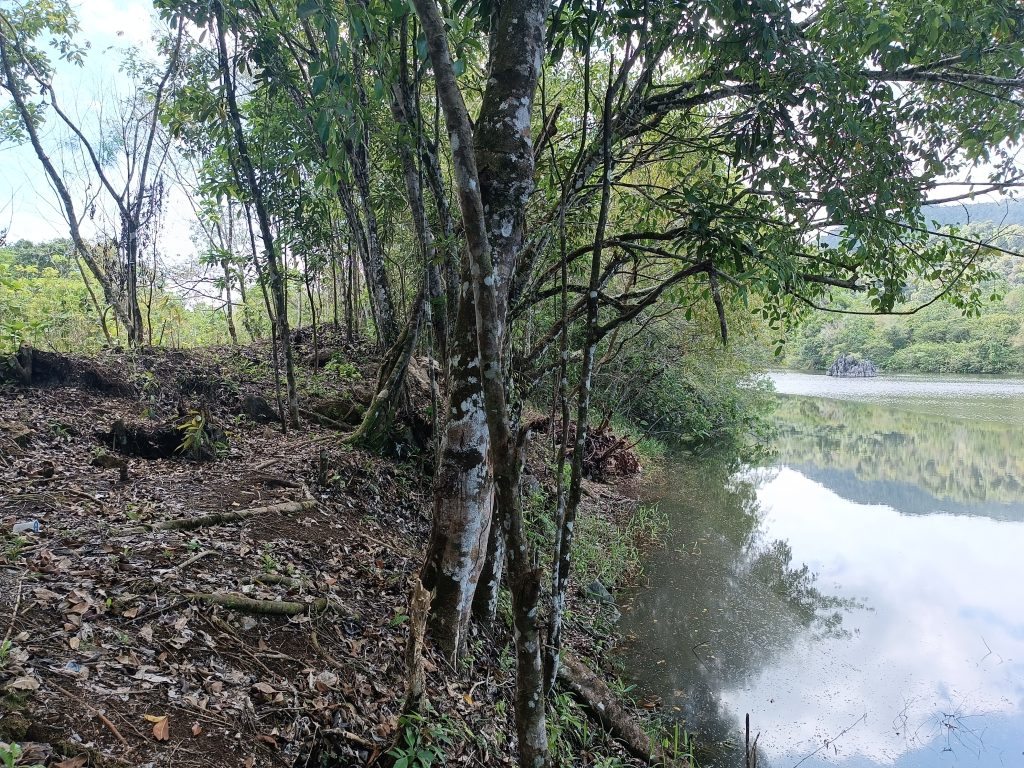
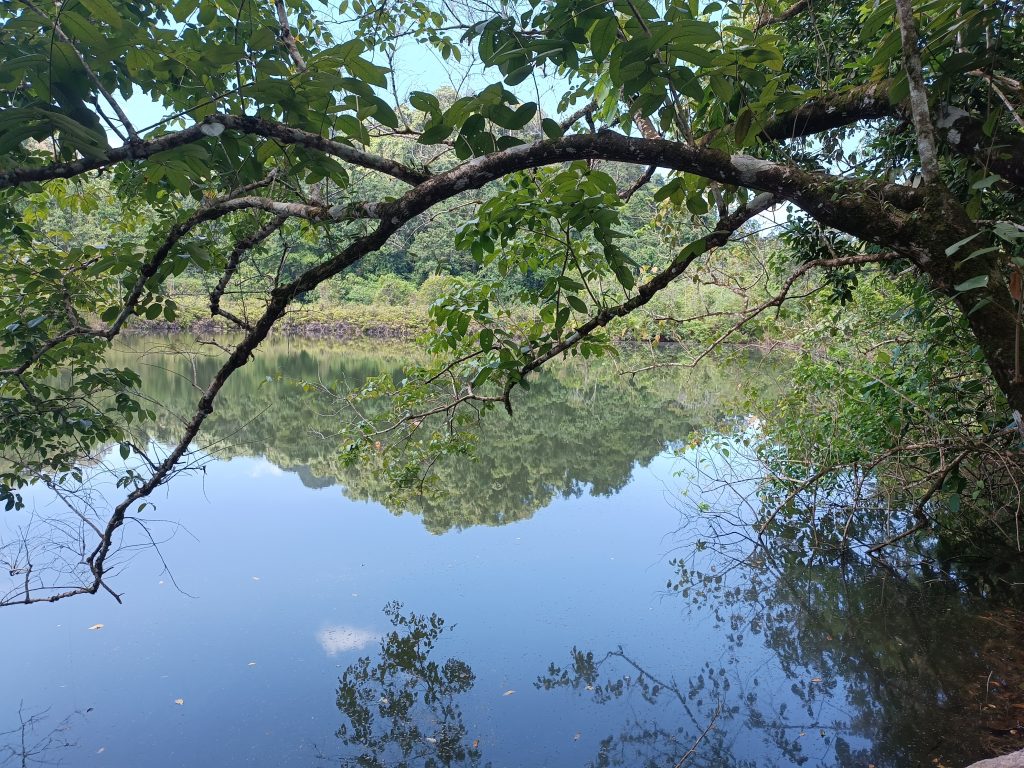
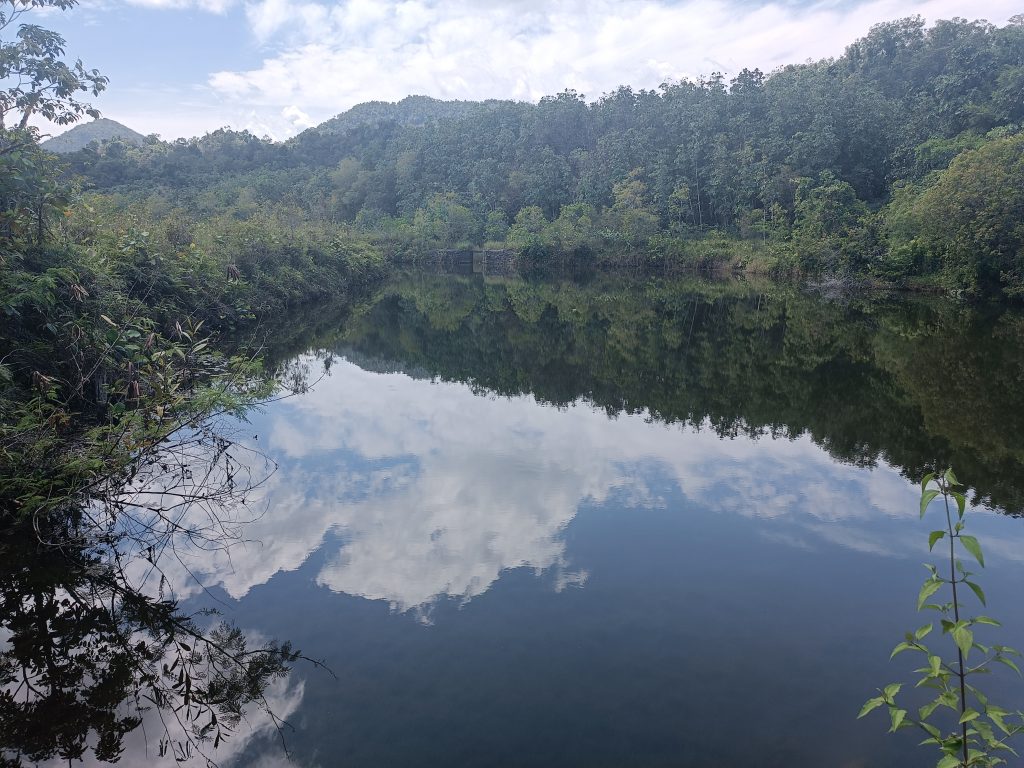
NESTLED quietly between lush hills and the historical mining lands of Bau, Tasik Bikajang is a serene body of water that reflects not just the beauty of nature but also the new hopes of a town reinventing itself.
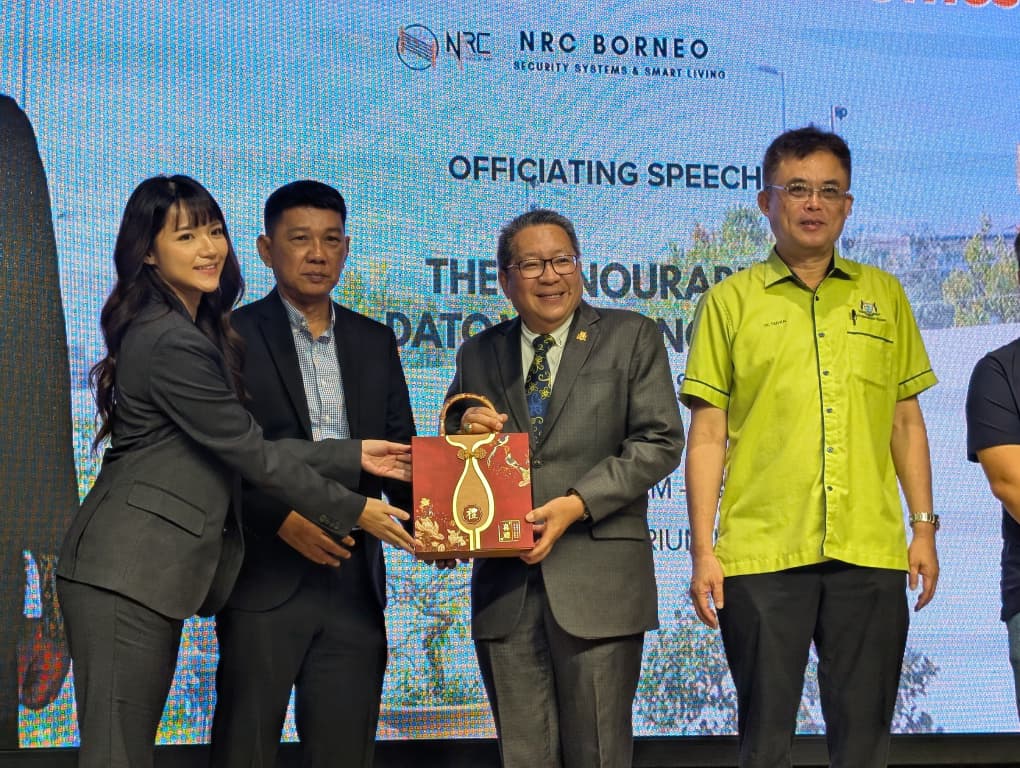
Once a quiet retreat known only to locals, Tasik Bikajang is now poised to become one of the centrepiece attractions under the proposed Bau Tourism and Cultural Park Project – an ambitious plan by the Deputy Minister of Transport and Tasik Biru assemblyman, Datuk Henry Harry Jinep, to transform the former gold-mining town into a vibrant hub of heritage, nature and culture.
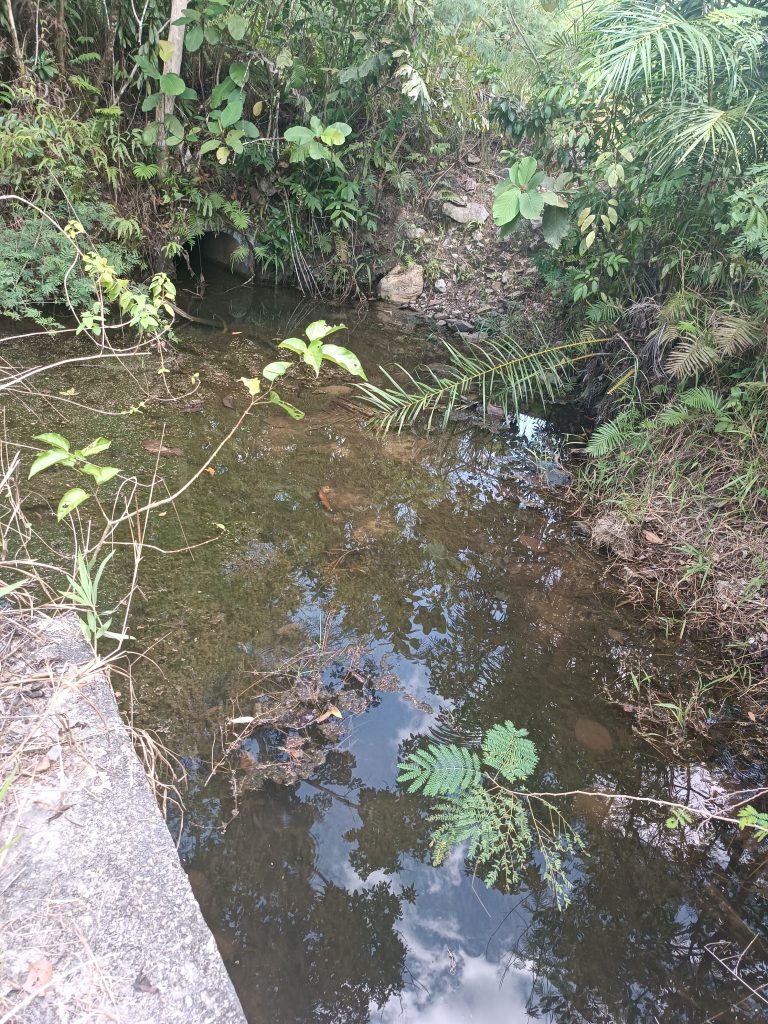
Located just a short distance from Bau town and the famous Tasik Biru, Tasik Bikajang has long been admired for its still waters, mirrored reflections, and the orchids that naturally grow along its edges – that some people called it Tasik Orchid.
During a site visit, led by Jack Oduin, a personal assistant to Henry, I noticed that the area seems to have been surrounded by remnants of old mining pits and low-lying limestone outcrops, now reclaimed by vegetations, quietly hinting at Bau’s golden past.
From my personal observation, it looks like Tasik Bikajang has been a hidden sanctuary.
Its calm environment could have attracted anglers, photographers and weekend visitors seeking peace away from the bustle of the town.
During the early mornings, mists may roll across the lake’s surface, giving it a dreamlike quality that visitors could describe as “like a painting come to life”.
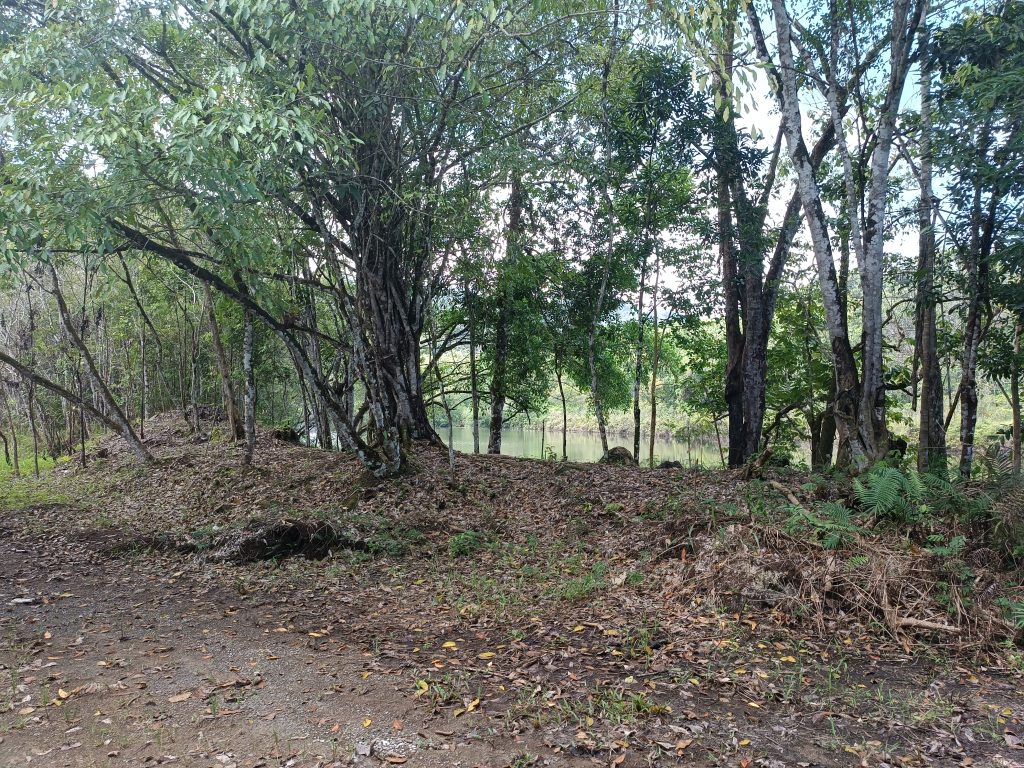
According to Jack, under the proposed Bau Tourism and Cultural Park project mooted by Henry and to be funded under the Greater Kuching Coordinated Development Agency (GJCDA) allocations, Tasik Bikajang will be developed as one of the key natural attractions alongside the Ghost Cave (Gua Hantu), the Old District Officer’s Bungalow, the Bau Water Reservoir and the old gold-mining relics of Jambusan.
He said the idea, according to the proposal, was to create a connected tourism circuit that highlighted the town’s natural charm, history and cultural diversity – transforming Bau into one of Sarawak’s most unique heritage destinations.
H said aside from that, the lake area was also going to undergo eco-friendly development, with walking trails, landscaped orchid garden and wooden decks for visitors to enjoy the scenery without disturbing the natural ecosystem.
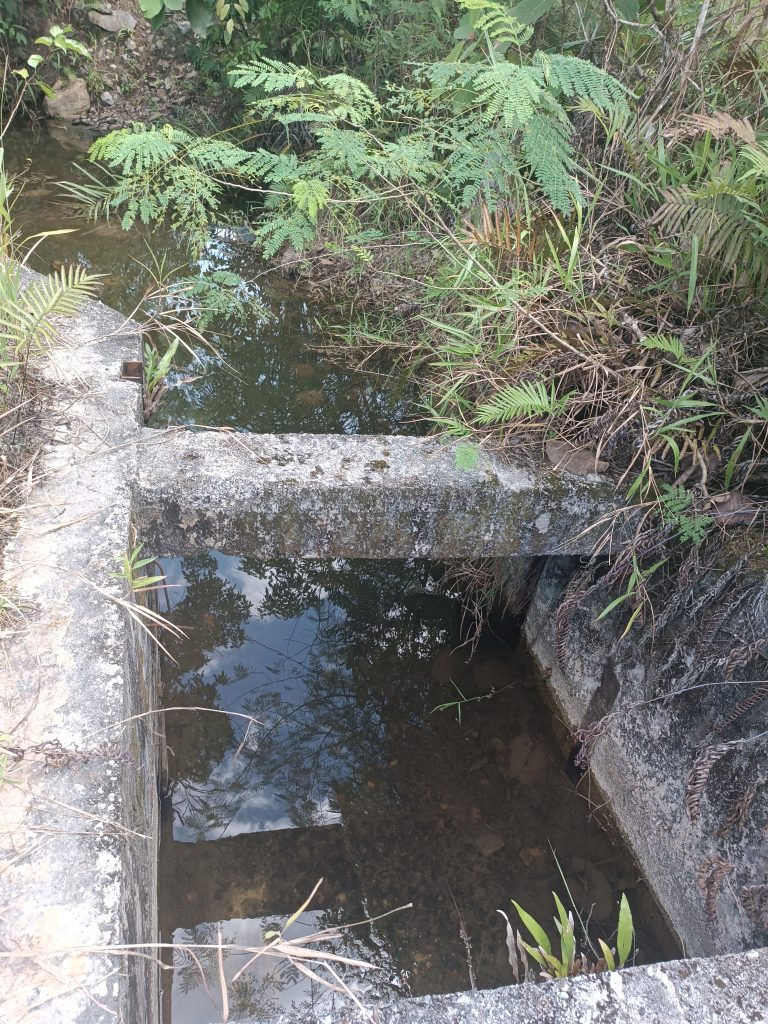
And just beside Tasik Bikajang lies the old Bau Water Reservoir, a historic remnant from the town’s early infrastructure.
Built to serve as a main water source, the reservoir was abandoned decades ago after tests revealed high arsenic content, a legacy of the area’s gold mining activities.
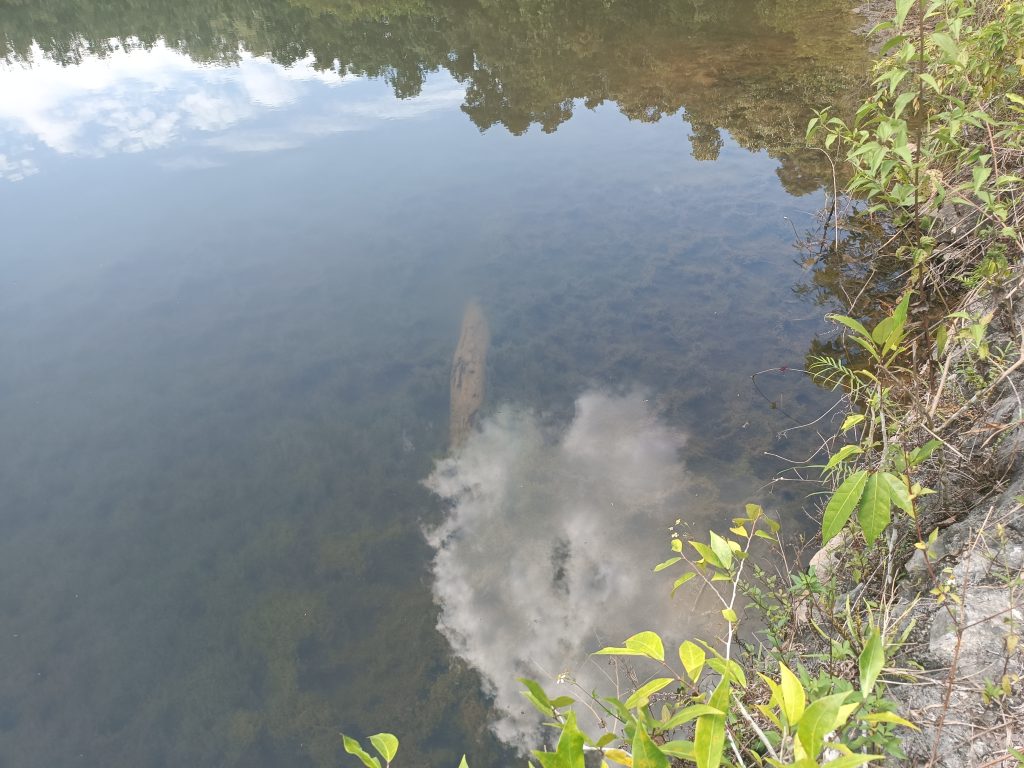
Moss and ferns were seen clinging to the old concrete walls, while bamboos and young trees have taken roots along the embankments, creating a peaceful yet mysterious atmosphere.
Although abandoned, the reservoir has become another hidden gen for nature lovers and photographers, offering a glimpse of how nature has healed and rebalance itself after decades of human activities.
There are also remnants of the old water system still visible; concrete culvert, concrete edges, and weathered foundations are subtle reminder of its former role in supplying water to Bau town.
This quite blend of nature and history makes the site both haunting and beautiful; symbolising the town’s enduring connection to its land and legacy.
In the proposed park plan, the site is expected to be preserved as an educational and heritage feature, allowing visitors to appreciate both its history and ecological significance.
Beyond its environmental significance, the inclusion of Tasik Bikajang and its neighbour, the old Bau Water Reservoir, in the cultural park reflects Henry’s and Bau district’s goal to create tourism that benefits local communities.
What sets the Bau Tourism and Cultural Park apart from other development projects is believed to be its emphasis on preservation and education.
Tasik Bikajang and the old Bau Water Reservoir for instance, are not envisioned as a commercial recreation lake but as a botanical and ecological attraction where visitors can appreciate native orchids, aquatic plants and local fauna in their natural environment and its history.
For Bau, a town that once thrived on gold mining, the shift toward nature-based tourism represents both a revival and a redefinition.
While the gold that once filled its mines has long been exhausted, the town’s real treasure now lies in its landscapes, legends and living culture.
Tasik Bikajang and the old Bau Water Reservoir’s gentle presence complements the town’s historical attractions, such as the Ghost Cave, which holds stories of wartime tragedy and bravery; and Bukit Young Goldmine, where remnants of mining machinery still stand as silent witnesses to a bygone era.
Together, these sites tell a story of resilience, transformation, and renewal.
As planning progresses, Tasik Bikajang and the old Bau Water Reservoir are expected to become signature destinations within the Bau Tourism and Cultural Park circuit – a place where visitors can walk among blooming orchids, enjoy panoramic views and reflect on the harmony between people, nature, and history.
If realised as envisioned, the lake and the old reservoir could soon stand as a symbol of Bau’s future – peaceful, green, and full of life – while still honouring the memories of its storied past.
For now, Tasik Bikajang and the old Bau Water Reservoir remain tranquil, waiting patiently as plans take shape around them.
But perhaps that is fitting. After all, orchids are known for their slow, graceful growth – blooming beautifully when the time is right. And in the case of Bau’s tourism dream, that time may be just around the corner.
What matters most, however, is that the proposed park project, if fully implemented, is going create new income opportunities – from guiding services and handicraft sales and probably to food stalls featuring Bau’s famous local delicacies.