KUCHING: It looks like it’s going to be a straight fight between Gabungan Parti Sarawak (GPS) and Parti Bansa Dayak Sarawak (PBDS) in Tasik Biru in the 13th Sarawak general election, following indications that DAP will not contest the seat.
A party insider said DAP had decided to concentrate its electoral efforts on seven seats in Kuching, where it believes it has stronger prospects of securing victories.
DAP’s absence from Tasik Biru has fuelled speculation that PBDS could emerge as the sole opposition challenger to GPS, amid talk of a possible understanding between the two parties to avoid splitting the opposition vote.
While the arrangement has yet to be officially confirmed, observations on the ground believe the development could set the stage for a direct contest between two candidates with contrasting political backgrounds.
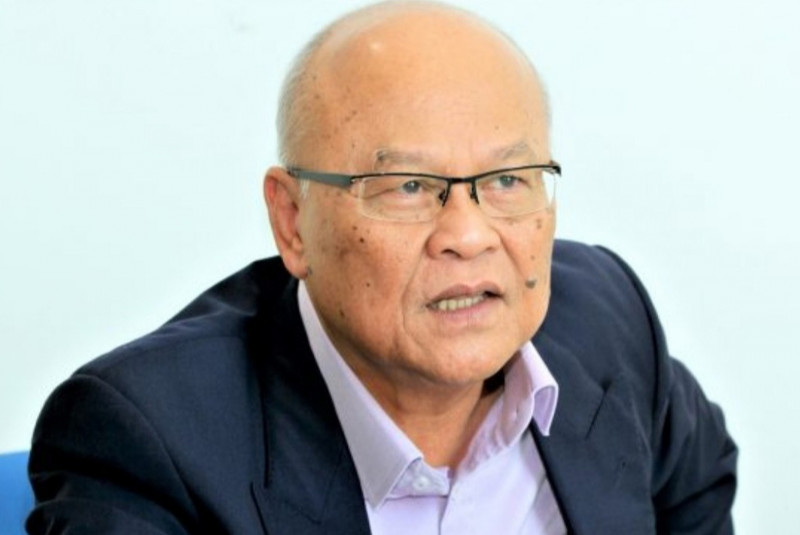
Incumbent Datuk Henry Harry Jinep is widely expected to be renominated to defend the seat, which he has represented since 2016.
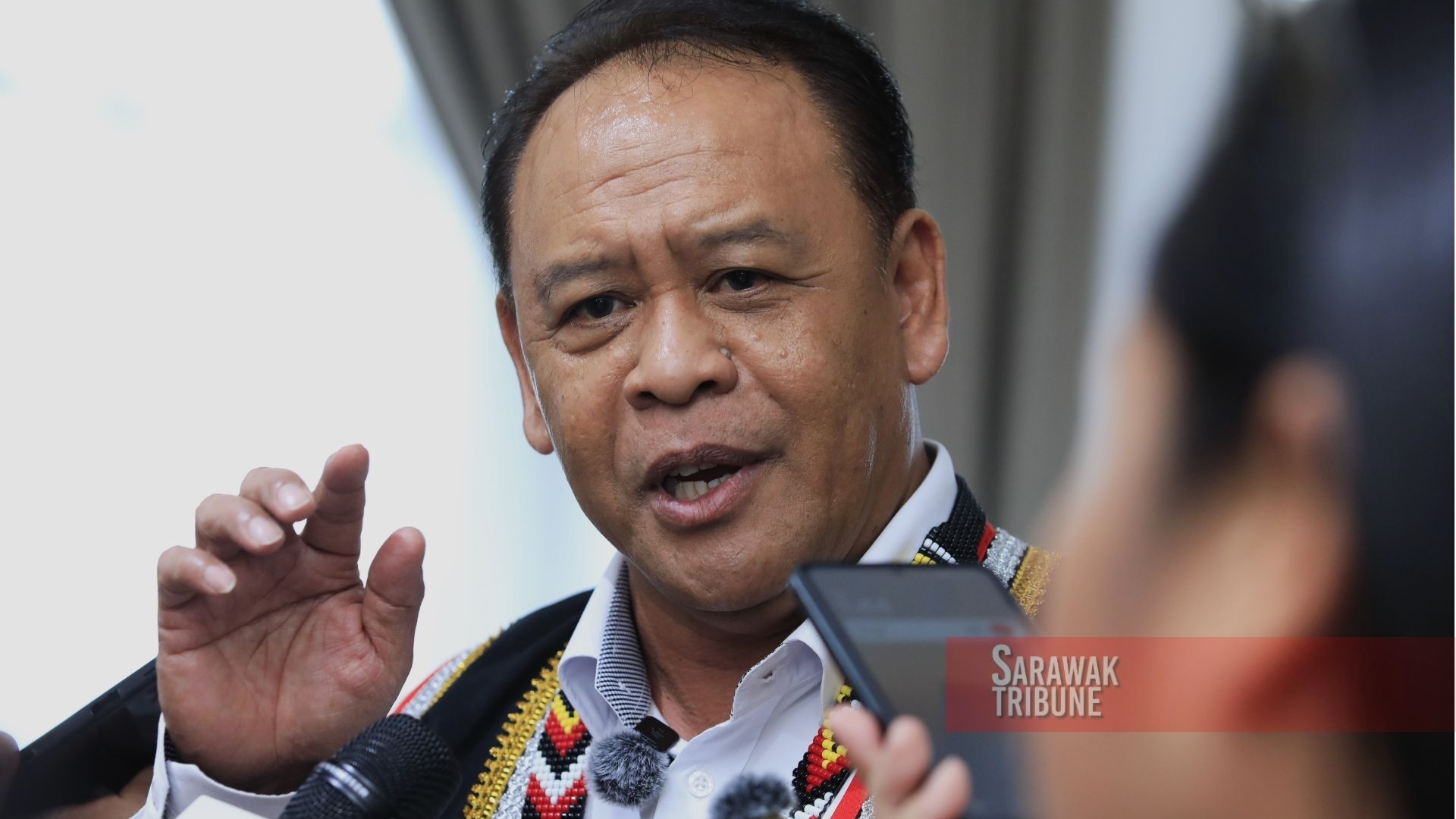
PBDS, meanwhile, is tipped to field political influencer and digital content creator Jani Unggu, also known as Daniel Jani.
His possible candidacy has surfaced on social media, although PBDS has maintained that its candidate will only be officially confirmed on nomination day on Nov 28.
Henry, a two-term assemblyman, is also Sarawak’s Deputy Minister for Transport, a position he has held since 2022. He is the deputy president of Progressive Democratic Party (PDP), a component party of GPS.
In the 2021 state election, Henry retained Tasik Biru in a four-cornered contest with 6,325 votes, representing 53.71 per cent of the total votes cast, and a majority of 4,212.
Beyond his electoral record, Henry’s strongest selling point could be his development track record, particularly the infrastructure and socio-economic transformation initiatives in Bau district.
Since taking office, he has overseen approximately RM1.3 billion in infrastructure and socio-economic allocations, guided by the Bau District Development Blueprint 2016–2030 and the Greater Kuching Coordinated Development Agency (GKCDA).
The blueprint aims to transform Bau into a regional growth hub, targeting RM1.8 billion in gross regional product by 2030, with implementation reportedly reaching about 70 per cent by late 2026.
However, whether development achievements and political experience will translate into another electoral victory remains to be seen.
The emergence of Jani, if confirmed, could introduce a different dimension to the contest, particularly through his digital following and ability to engage younger voters.
Ultimately, Tasik Biru could become a test of whether an established incumbent’s development record and political machinery can withstand a challenger seeking to turn social media influence into electoral support.