There is something special about watching a child recognise himself in a book.
The reaction is immediate. A familiar face appears on the page, his eyes brighten and a small finger reaches forward to point at what he sees.
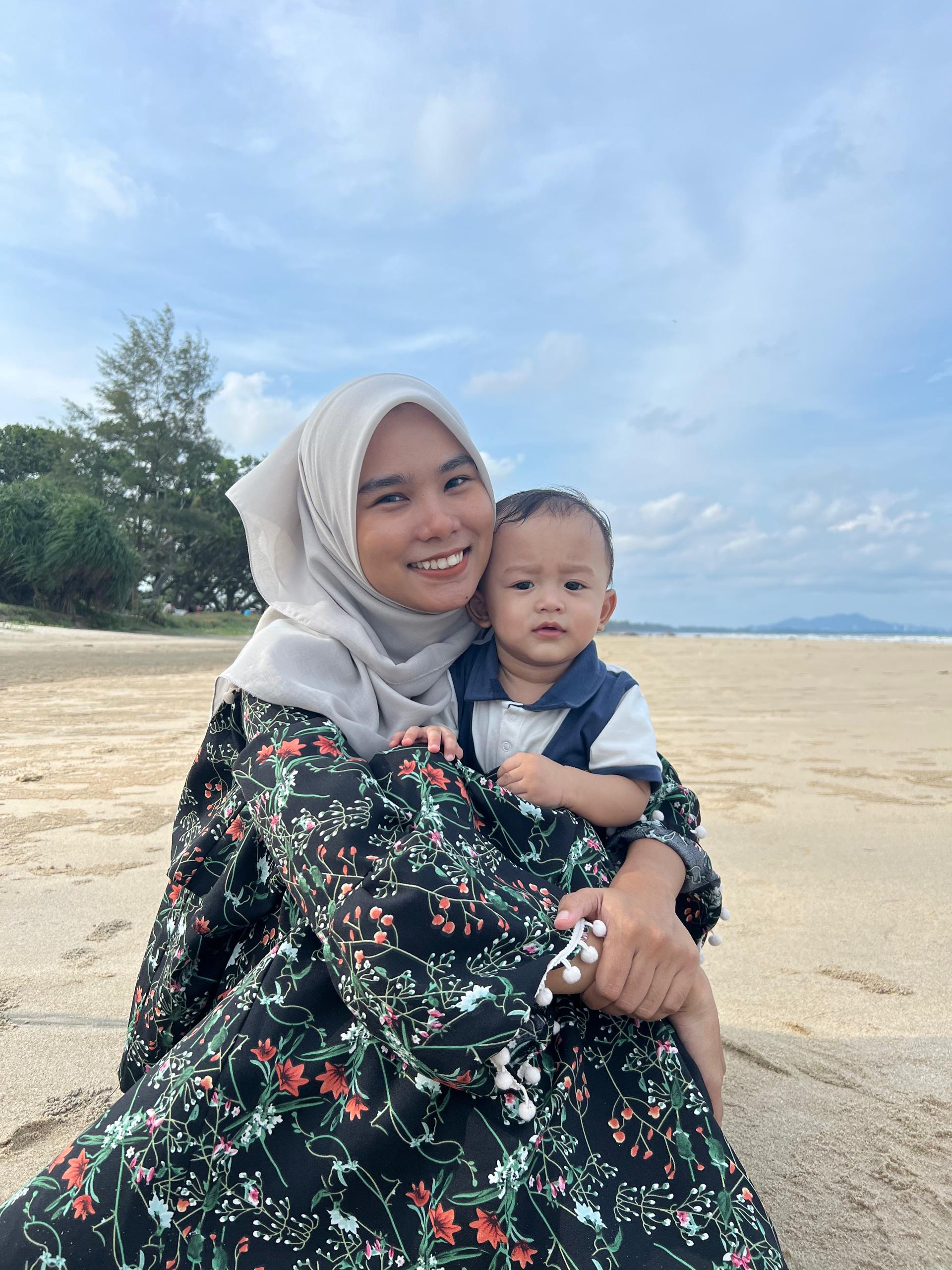
I know this because my son, Rafael, is one of the children who owns books by Heghog.Ville.
Although books are already among his favourite things, these personalised photobooks hold a different kind of appeal. They contain faces, objects and experiences that are part of his everyday life.
To an adult, it may appear to be a small personalised book. To a young child, however, it is a familiar world placed directly into his hands.
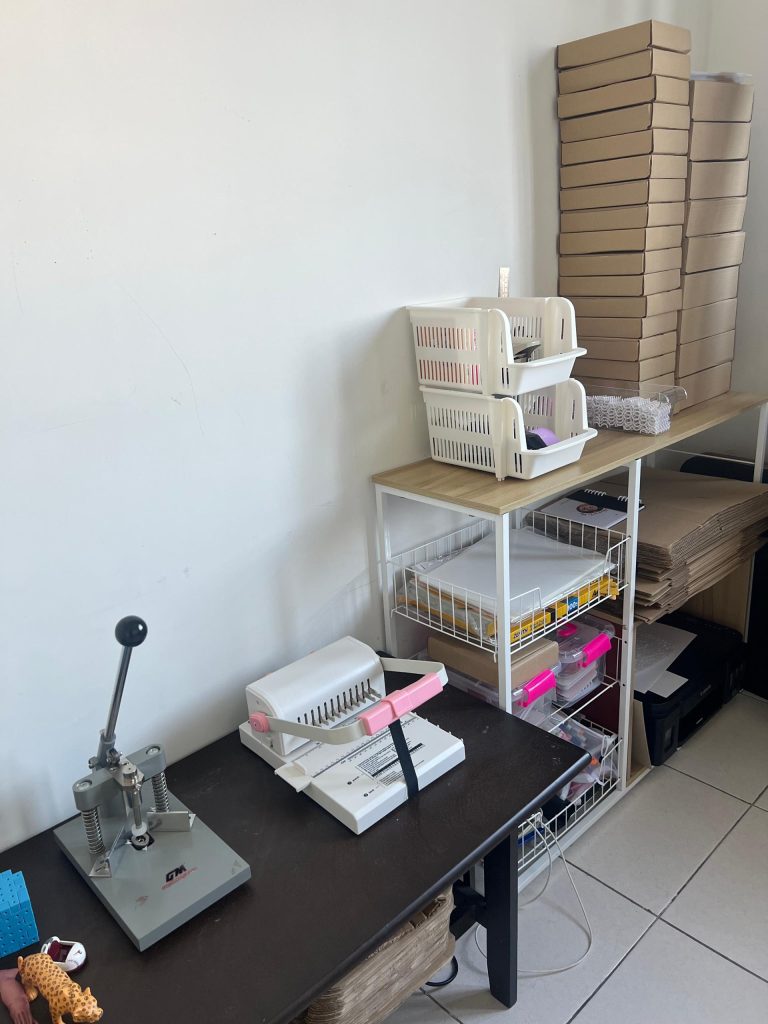
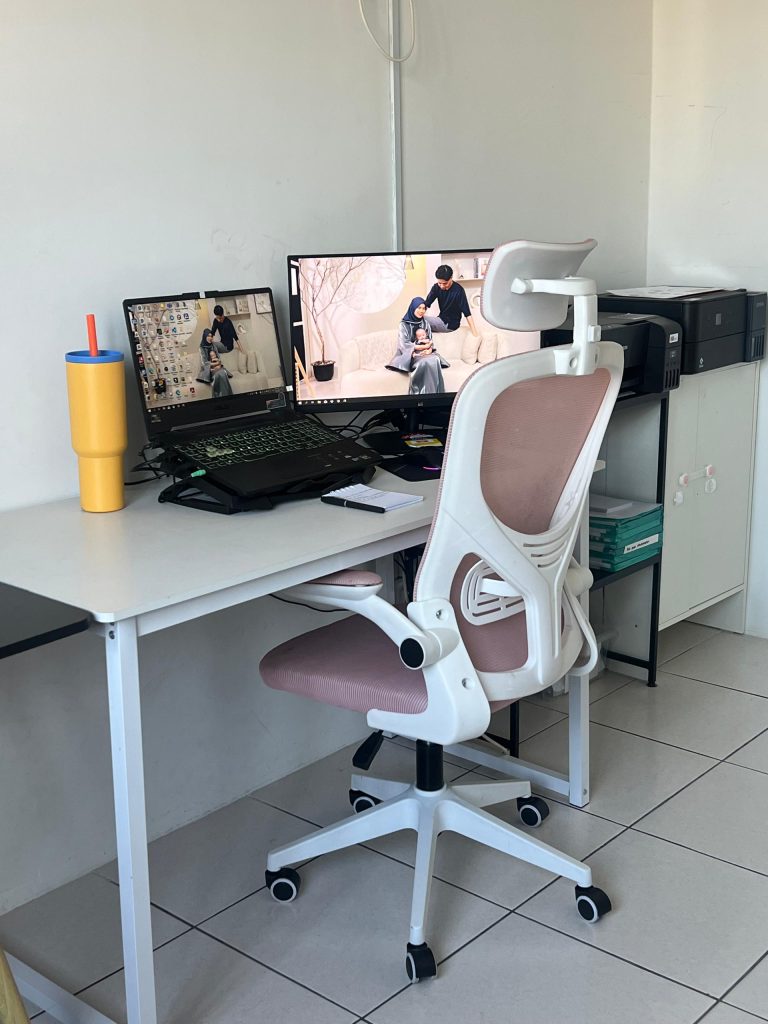
Behind Heghog.Ville is another mother who first discovered the appeal of personalised books while trying to support her own son’s learning and communication.
For 29-year-old Athirah Anis, the business did not begin with an elaborate commercial plan.
It began with a simple observation in her son’s playroom, where he would often ignore the toys around him and head straight for the book corner.
“He would often go straight to the book corner instead of the toys. Even though he had plenty of toys to choose from, he seemed to enjoy flipping through books and looking at the pictures,” she told Sarawak Tribune.
Whenever Athirah said, “Let’s read a book,” her son would immediately come over, sit on her lap and give the book his full attention.
Those moments showed her that books were not merely keeping him occupied. They also gave mother and child an opportunity to spend time together while encouraging him to listen, recognise and communicate.
“It became our special bonding time, and I realised that books were one of the few things that could truly capture his interest for an extended period,” she said.
That observation eventually inspired Athirah to create her first personalised photobook, featuring familiar faces, real-life photographs and simple vocabulary her son could easily understand and relate to.
It was created solely for him, with no intention of turning the idea into a business.
From one mother to another
Athirah later shared the book on social media simply to document her parenting journey.
However, other parents began contacting her and asking whether she could create similar books for their children.
Their interest made her realise that many families were looking for resources that could help their toddlers learn through people, objects and experiences they already recognised.
“Many parents started reaching out and asking if I could make one for their children too.
“As I spoke with more parents, they began sharing their own challenges and ideas. Many suggested books they wished existed to help their toddlers learn,” she said.
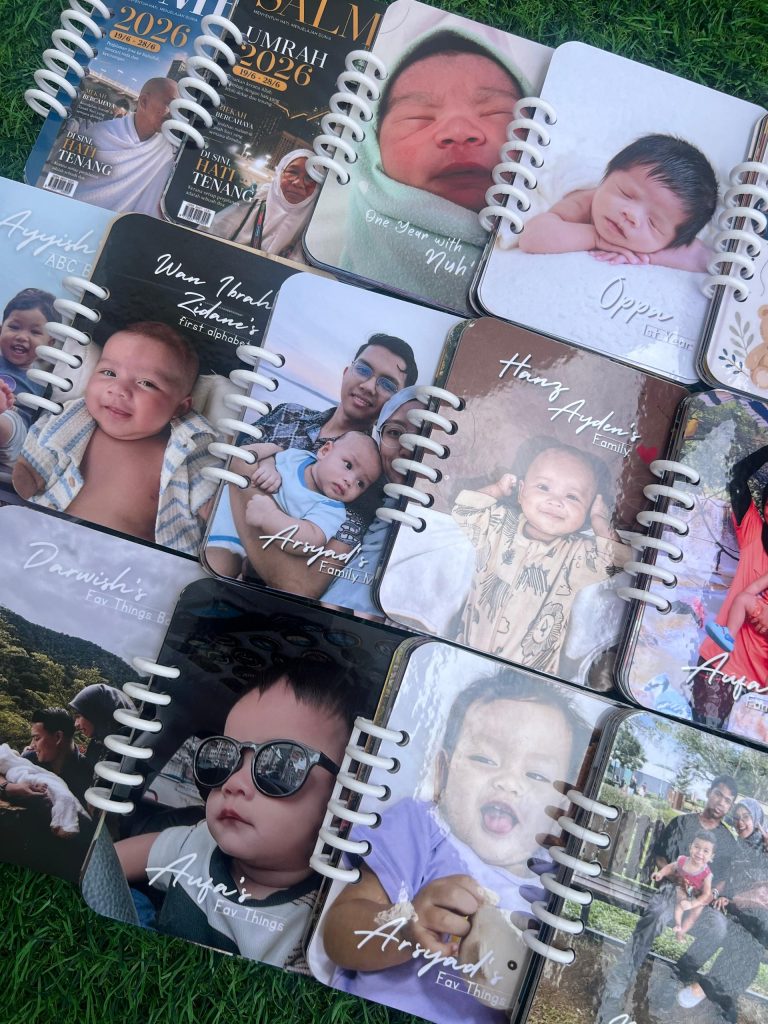
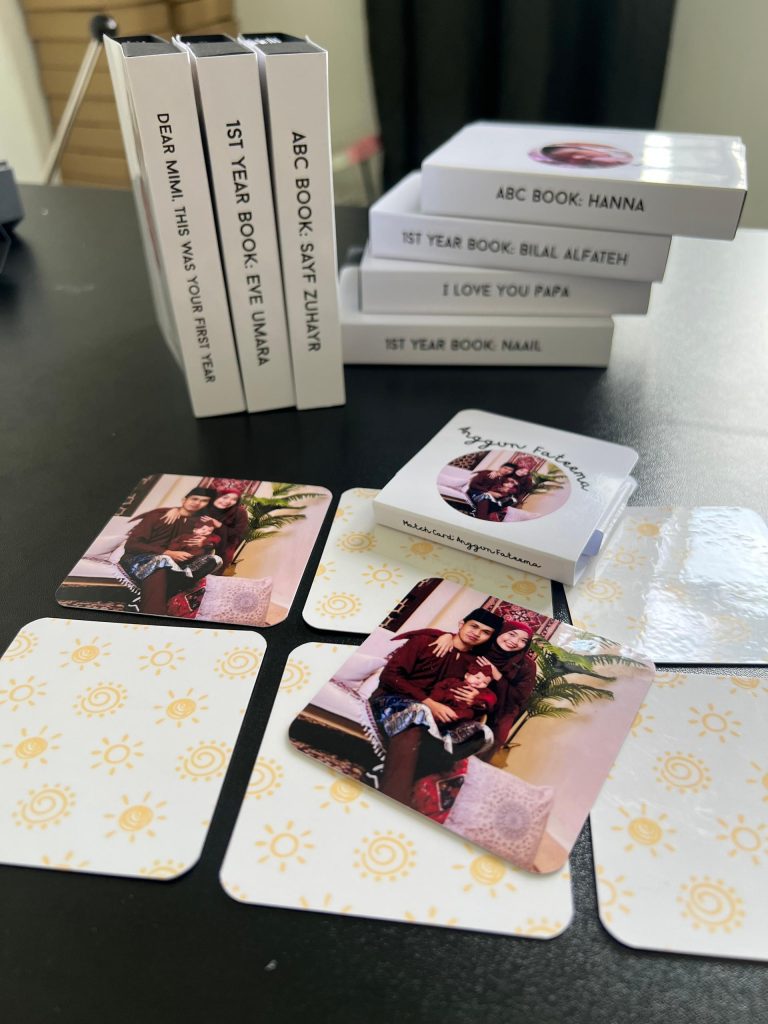
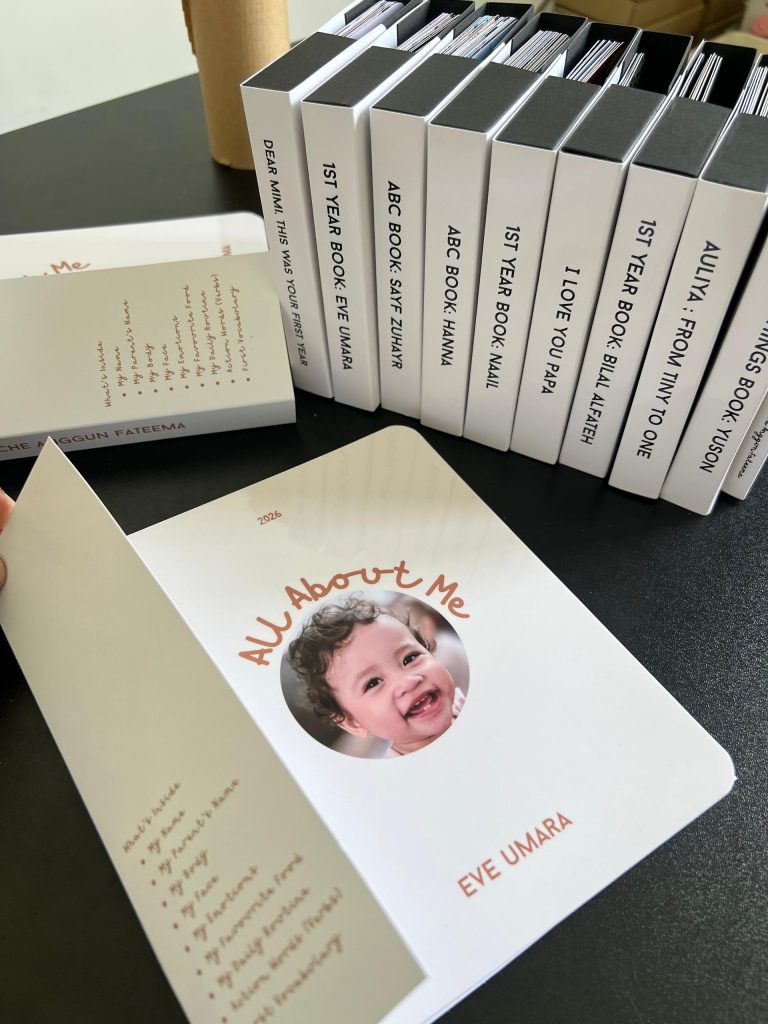
The Favourite Things Book became Heghog.Ville’s first product. It was later followed by personalised titles such as the ABC Book and Family Members Book.
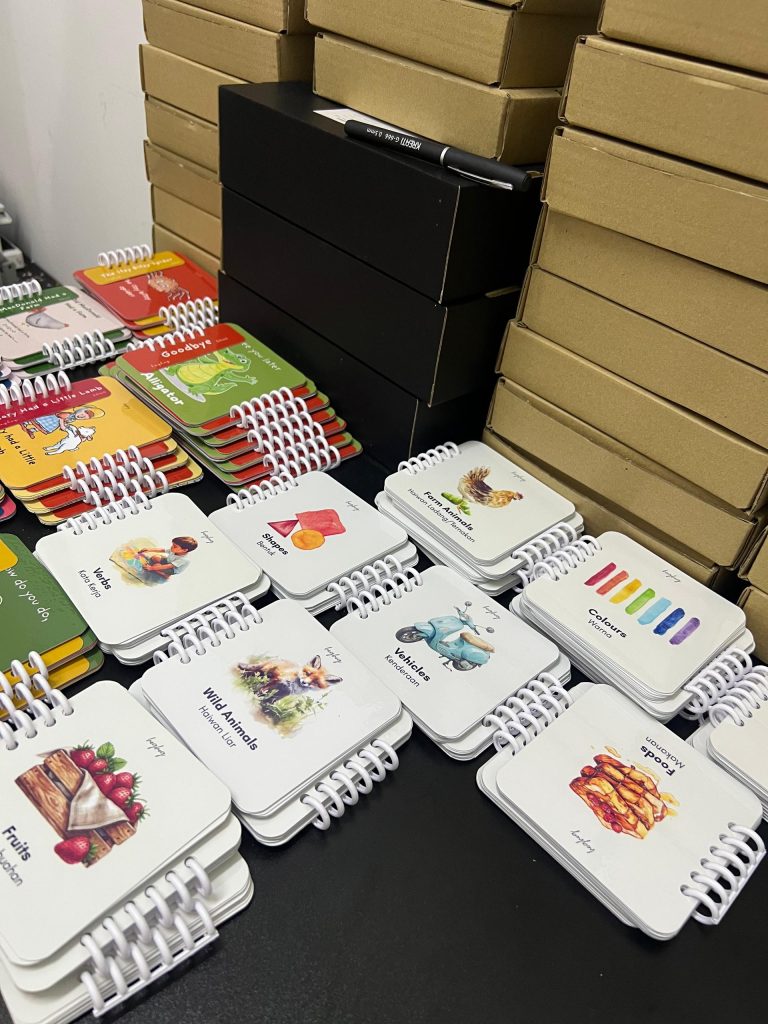
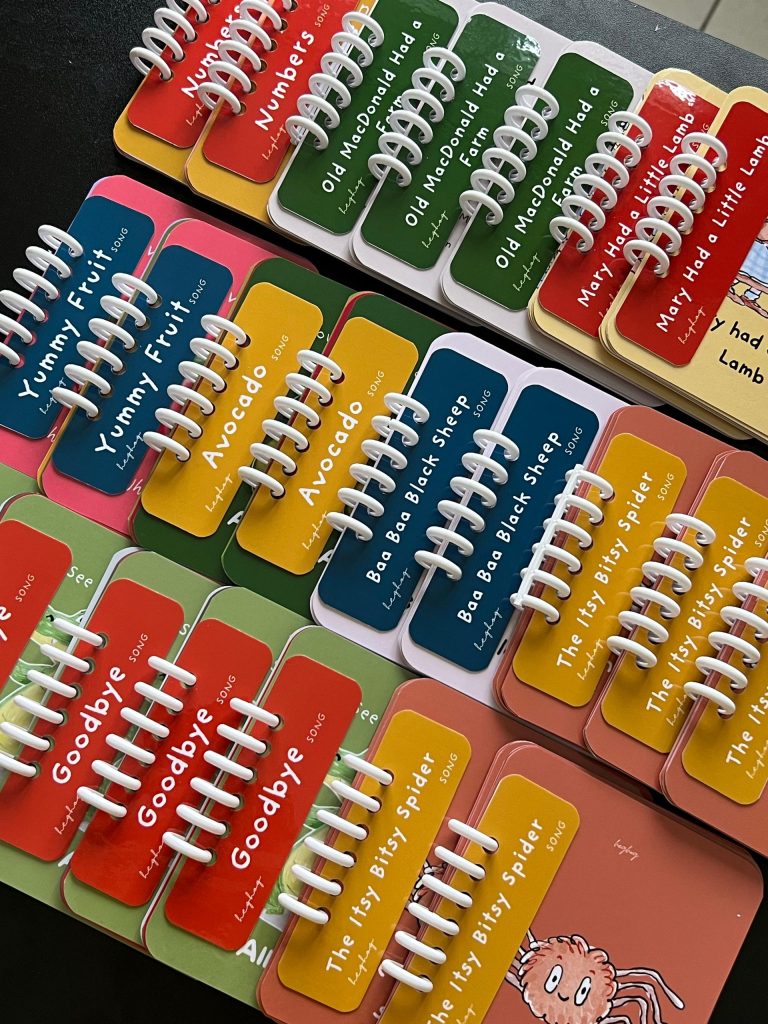
What began with one book for one child has since reached many more families.
To date, Heghog.Ville has produced and sold over 1,000 personalised books, mainly to parents of toddlers looking for engaging ways to encourage speech, build vocabulary and spend quality time with their children.
Athirah said the response had been far beyond what she initially expected.
One of the most rewarding parts of the journey has been receiving messages from parents about their children’s excitement upon seeing themselves and the people they know inside a book.
The business has also continued to grow through her conversations with parents.
Instead of assuming that every family needs the same thing, Athirah listens to the experiences and challenges shared by customers and use their suggestions to guide the development of new books.
“In many ways, Heghog.Ville has grown through collaboration with parents. I listen to their experiences, understand what their children need and turn those ideas into personalised books that make learning fun, familiar and meaningful for toddlers,” she said.
This relationship with parents has allowed the business to retain the personal approach with which it began, even as the number of orders has increased.
Designing through a child’s eyes
Before becoming a stay-at-home mother, Athirah graduated in architecture and worked as a 3D designer specialising in childcare centres.
Although her work then involved designing physical spaces rather than books, it taught her how seemingly small design decisions could influence a child’s experience.
Colours, layouts and the overall environment can affect how children focus, learn and interact with the world around them.
Athirah now applies the same principles to every book she creates.
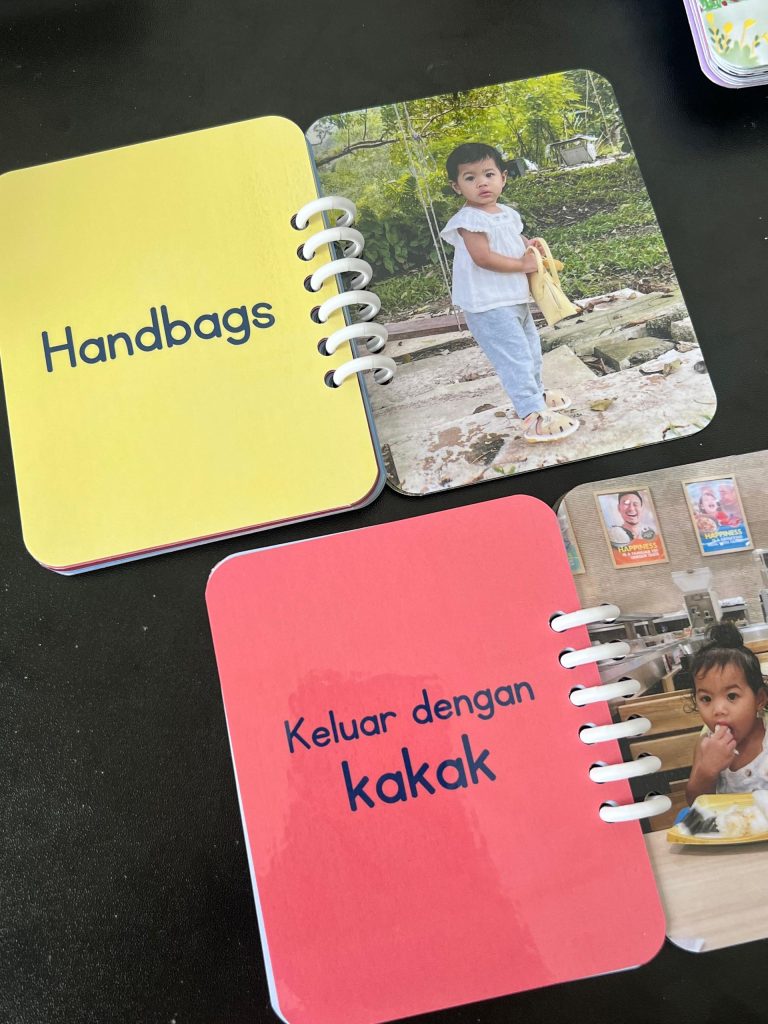
Rather than crowding the pages with excessive words, images and interactive elements, she keeps the layouts clean, the visuals purposeful and the content straightforward.
She said the simplicity of the books was intentional, based on her belief that toddlers learn best when they are allowed to concentrate on one concept at a time.
“Every page is designed with a clear purpose. I avoid cluttered layouts and unnecessary elements so that toddlers can easily focus on the vocabulary, photos or activity in front of them.
“Simple doesn’t mean boring. It means creating a learning experience that is easy for young children to understand and enjoy,” she said.
One question continues to guide Athirah throughout the design process: “Will this help a toddler focus, or will it distract them?”
The question is especially relevant at a time when many children’s products rely on bright lights, loud sounds and multiple interactive features to hold their attention.
Heghog.Ville takes a quieter approach.
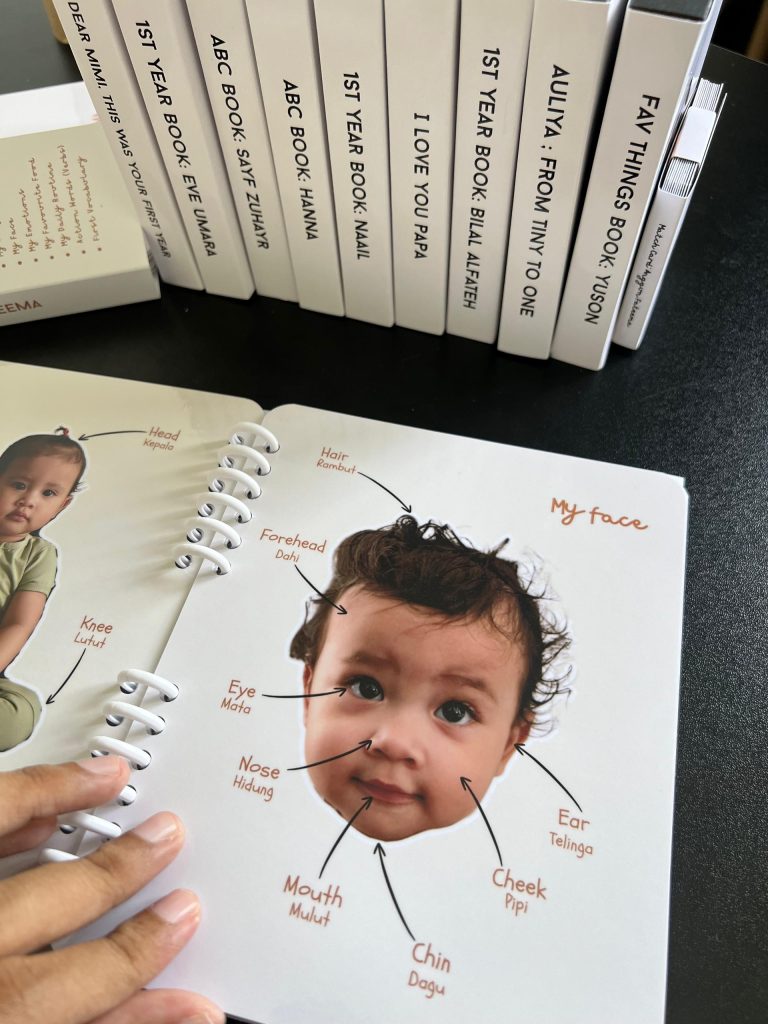
Its books use recognisable photographs and simple vocabulary to encourage children to look, point, listen and respond, while leaving room for parents to take part in the experience.
The books are not intended to replace interaction between parents and children. Instead, they are designed to create more opportunities for conversation and shared learning.
Tested first by her son
Athirah’s son remains the first child to test each new creation.
She observes how he interacts with a book, paying attention to which pages capture his interest, which ones he repeatedly returns to and what keeps him engaged.
If an idea fails to hold his attention, she returns to the design and looks for ways to improve it.
“Being both a mother and the creator of the books gives me the advantage of seeing things from both perspectives.
“As a mum, I understand what parents are looking for. They want products that are educational, durable, practical and worth investing in.
“But as I design each book, I always ask myself one important question: ‘Will a toddler actually enjoy this?’” she said.
For Athirah, a product cannot be considered effective simply because it is labelled educational. It must also be able to attract and retain a young child’s interest.
Feedback from other families has therefore become equally important in refining existing products and developing new ideas.
Many of the books introduced by Heghog.Ville have emerged from conversations with parents about what could help their children learn and communicate.
By combining these real-life experiences with her design background, Athirah hopes to create products that are useful to parents while remaining enjoyable for children.
More than a bedtime book
Among the responses that stayed with Athirah was one from a mother who previously relied on her phone gallery to show her toddler photographs of family members.
After receiving a personalised family book, the child began choosing it every night before bed.
Instead of opening a phone, mother and child would sit together, turn the pages and talk about the family members pictured inside.
“It became part of their bedtime routine and helped replace screen time with meaningful interaction,” she said.
The experience reflected one of the main reasons many parents purchase the books. They are not only searching for materials that can introduce words or images, but also for alternatives to screen time.
More Malaysian parents, Athirah observed, are becoming intentional about choosing activities that encourage children to communicate and interact instead of merely keeping them entertained.
The durability of the books is another aspect regularly highlighted by customers.
Toddlers are not always gentle readers. Books can be bitten, bent, pulled and dropped as children learn to handle them.
One parent told Athirah that although the child frequently chewed on the pages, the personalised book remained in good condition.
She understood the concern because she had faced the same challenge with her own son. It was one of the reasons she prioritised durable materials when developing the books.
“For me, the most rewarding feedback isn’t just hearing that children enjoy the books.
“It’s knowing that they’ve helped families create more conversations, more bonding moments and less screen time in their daily lives,” she said.
The value of a children’s book is not always measured by how quickly a child learns a new word or whether the child can sit through every page.
Sometimes, it is seen in the simple act of a toddler choosing a book and bringing it to a parent to read together.
Created during the quiet hours
Behind every completed personalised book is a process that customers may not immediately see.
Each order is created for one particular child. The photographs must be edited, the pages individually designed and every detail checked for accuracy before the finished book reaches the family.
Unlike a mass-produced book, each Heghog.Ville creation contains personal details that matter to the child and parents receiving it.
Producing the books while caring for her son has required Athirah to manage her time carefully.
Much of her work is completed during his naps or after he has gone to sleep, when she has the uninterrupted time needed to focus on each order.
Balancing motherhood with the demands of running a growing business has been among her biggest challenges.
“The personalised nature of the books also means that every order requires its own time and attention. Photographs cannot simply be inserted into a standard product without first being edited and checked,” she explained.
As demand increased, Athirah worked on improving her workflow and setting realistic timelines for customers.
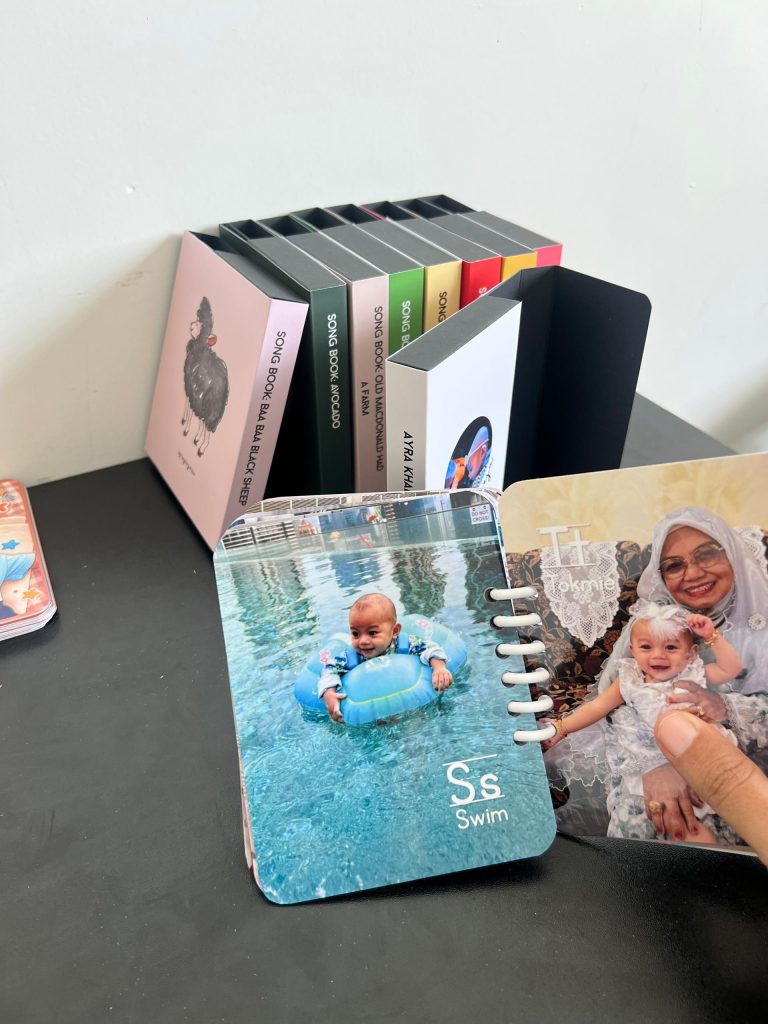
However, she remains unwilling to rush the production process if it means compromising the quality of the finished books.
“My goal has never been to produce books as quickly as possible, but to create something that families will truly value and use for years to come,” she said.
During more challenging periods, Athirah returns to the reason she began creating the books.
“Whenever things get challenging, I remind myself why I started this journey—to help my own son communicate and to support other families on the same journey.
“That purpose keeps me motivated every day,” she said.
Heghog.Ville may have developed into a business, but its foundation remains closely connected to Athirah’s experience as a mother.
The needs she encountered while raising her son continue to shape how she designs, tests and improves each product.
Reading does not have to be perfect
Through her conversations with customers, Athirah has noticed growing awareness among Malaysian parents about the importance of introducing books from an early age.
Parents are increasingly looking for ways to reduce screen time and choose activities that encourage communication, interaction and early language development.
However, she believes there is still room to broaden the understanding of what reading with a toddler should look like.
At that age, reading does not necessarily mean sitting still and completing an entire story from beginning to end.
A toddler may skip pages, return repeatedly to the same photograph or lose interest before reaching the final page. The child may prefer pointing at a picture and hearing its name rather than listening to every sentence.
These interactions can still form a meaningful part of early reading.
“For toddlers, it’s often about talking, pointing at pictures, naming familiar people or objects, and making reading a fun, everyday interaction.
“Those small moments can have a big impact on a child’s language development and love for books,” she said.
Athirah’s advice also takes some of the pressure off parents who may feel that a reading session must always be orderly or completed in a certain way.
For a toddler, the conversation surrounding a book can be just as important as the words printed inside it.
A familiar photograph can prompt the child to point, make a sound, attempt a word or look towards a parent for an answer.
It is through these repeated and informal interactions that books can gradually become part of the child’s daily routine.
Growing at her own pace
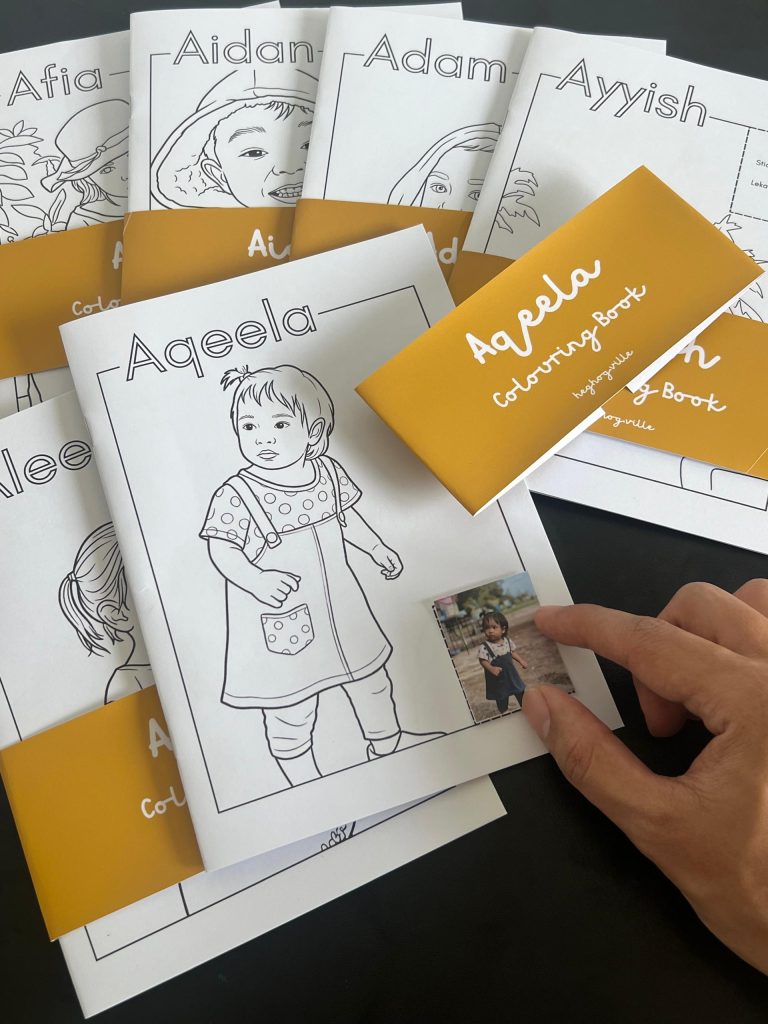
Looking ahead, Athirah hopes to introduce more personalised books and educational resources, with the possibility of eventually bringing Heghog.Ville to families beyond Malaysia.
For now, however, her priority is to strengthen what she has already built.
She wants to continue refining the existing books, improving their quality and listening to feedback from the parents and children who use them.
“I believe it’s important to build a strong foundation first by continuously refining our books, improving the quality, listening to customer feedback and making the overall experience even better for families.
“Once I feel we have built the best products possible, I’ll be excited to explore new themes, develop more educational resources and hopefully introduce Heghog.Ville to families around the world,” she said.
More than 1,000 books later, Heghog.Ville remains rooted in the same moment that inspired its creation—a young child sitting on his mother’s lap, looking through a book and learning through the people and things he recognises.
What began as one mother’s effort to help her son communicate has since become a learning resource shared with families elsewhere.
For the children holding these books, however, the appeal is much simpler.
They turn the pages and find a world they already know waiting for them.