CONSIDERING I had never stepped out of Malaysia, the offer of a junket had me scrambling to get my passport done for the trip.
Thankfully I managed to do so in time for the Media Familiarisation Trip to Pontianak and Singkawang in West Kalimantan, Indonesia from Nov 14 to 18.
Yours truly and 13 other media and social media influencers from Kuching were invited for this trip organised by the Consulate General of the Republic of Indonesia (KJRI) in Kuching in collaboration with AirAsia as the airline partner.
On Sept 12 this year, AirAsia launched the direct Kuching-Pontianak-Kuching direct service, making it convenient for people in both regions to travel.
As this was my first time, I was looking forward to the trip and was confident that all of us will be taken care of throughout the programme.
It had always been my dream that one day I will travel to Pontianak and Singkawang, and explore the cities, the people and the culture, and more importantly the food.
Speaking of food, that was out first pit-stop at the start of our five-day stay.
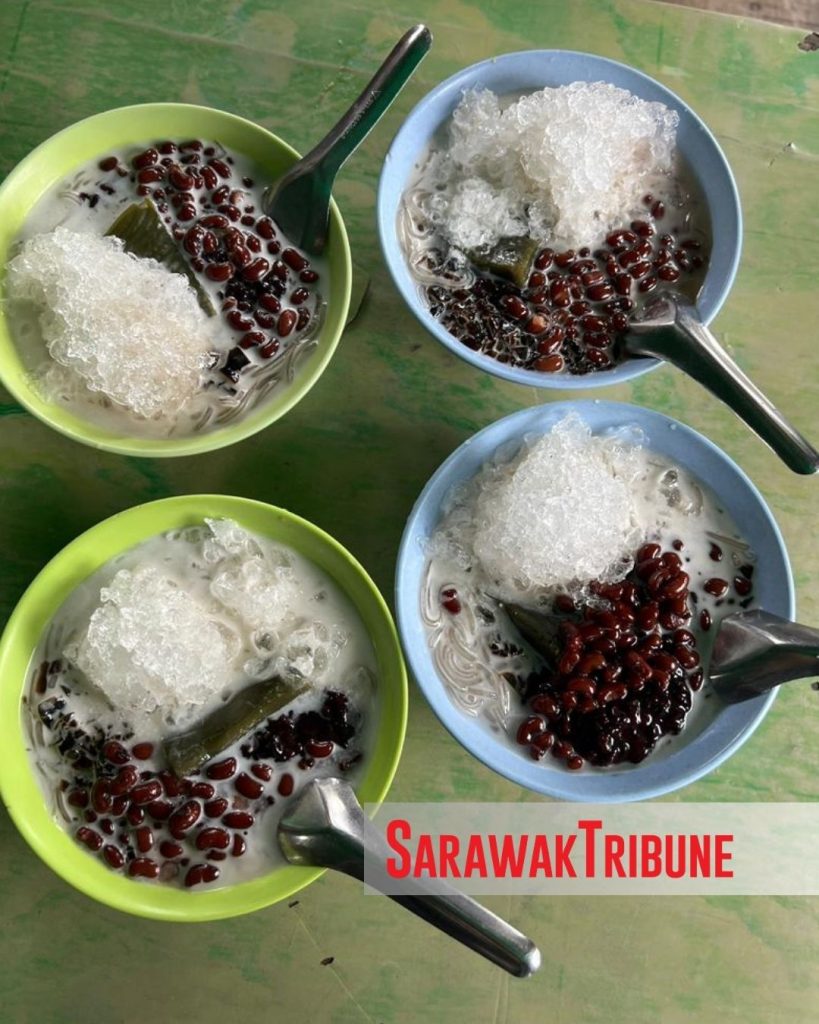
We went to try out a local favourite – Ce Hun Tiau – which is similar to cendol or ABC but with different ingredients.
It’s a popular iced dessert in Pontianak with a mix of ingredients, including clear sago noodles (ce hun tiau), red beans, black sticky rice, and grass jelly, all served in a broth of coconut milk and palm sugar with shaved ice.
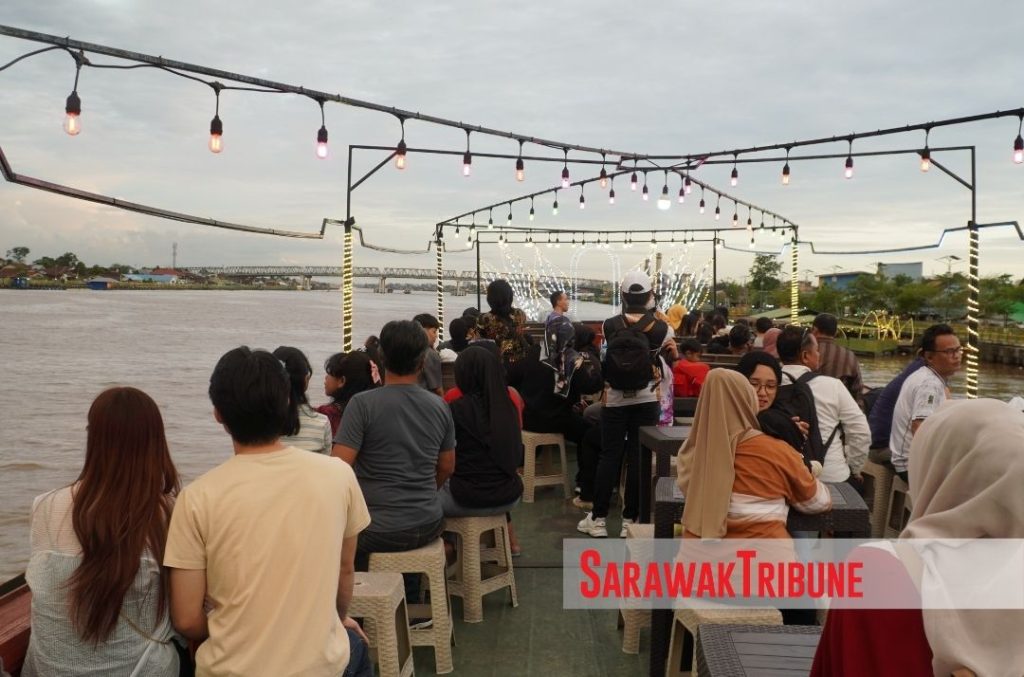
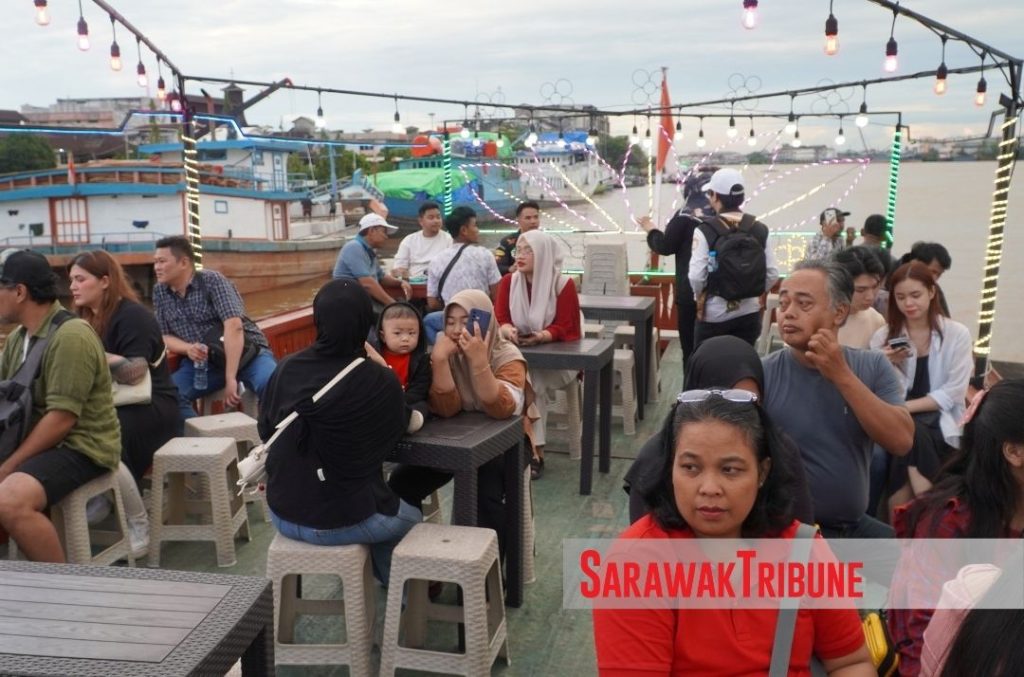
In the evening, we went on a river cruise along the Kapuas River, which is not only the longest river in Kalimantan, Indonesia but in the island of Borneo, stretching some 1,143kms.
Along the river, we spotted factories and houses like what our tour guide, Oktavia, had told us earlier that people still depend on the river for water, cleaning and bathing.
“There are a lot of people living along this river. Don’t be surprised if you see children bathing in the river because it has been a norm,” she said.
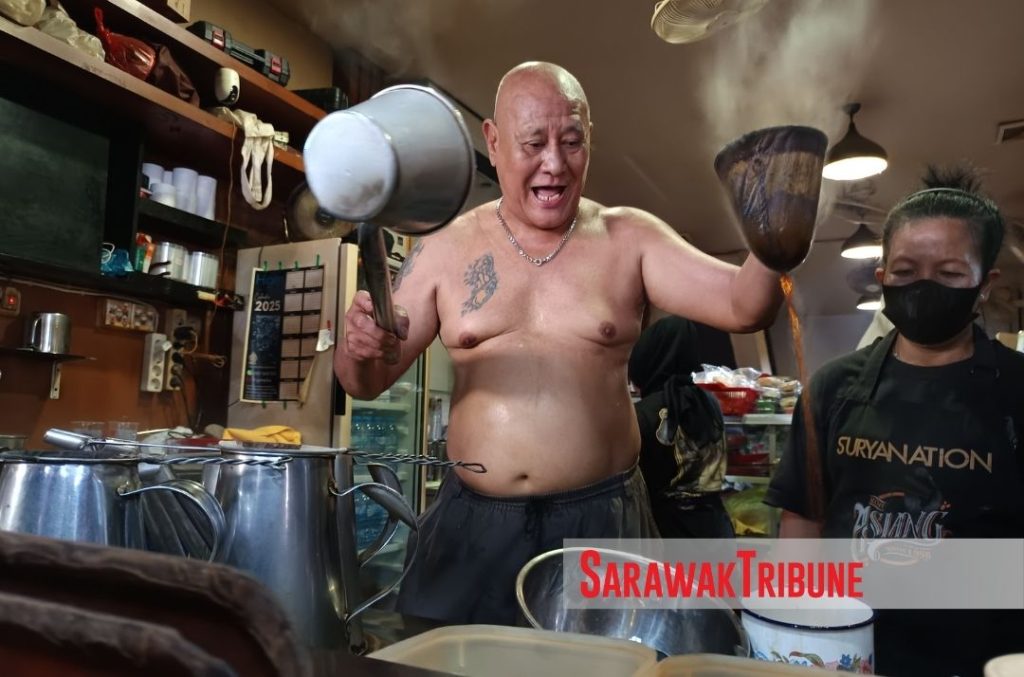
Before we headed out to Singkawang in the morning, we went to Warung Kopi Asian – a famous coffee shop in Pontianak where the owner, Asian, has earned quite a reputation for making coffee without his shirt on.
The coffee shop was packed from the ground floor to the top, with some of the customers even creating memories by taking photos with bare-chested Asian.
There were also people from Sarawak who were also drawn to the coffee shop on the account of the owner.
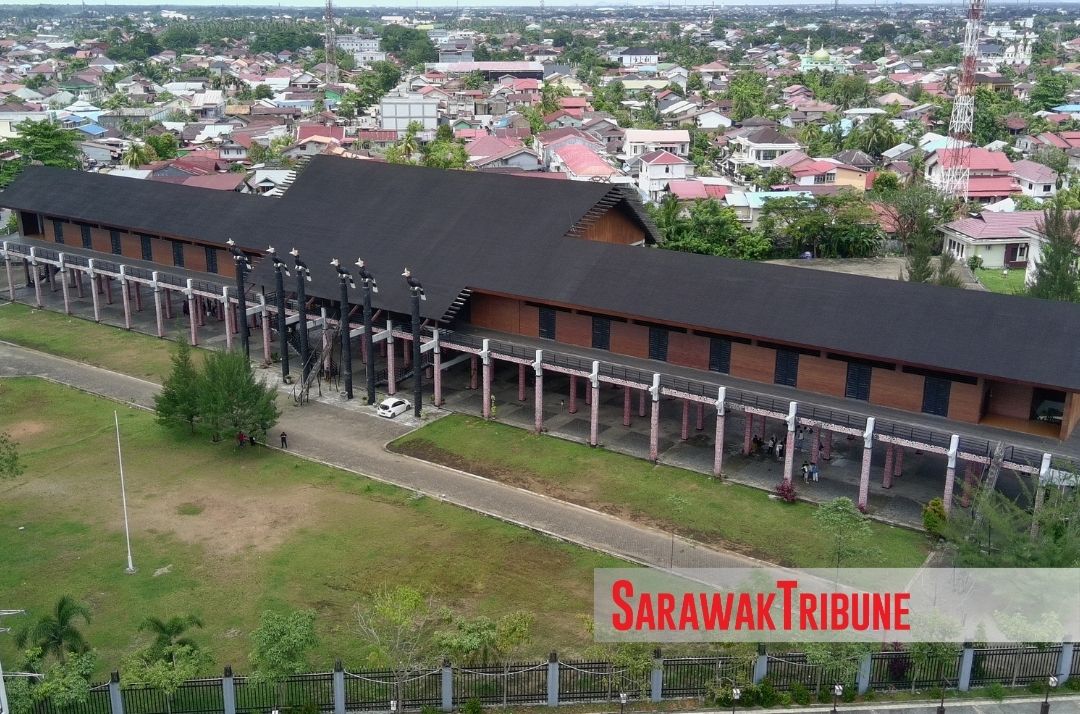
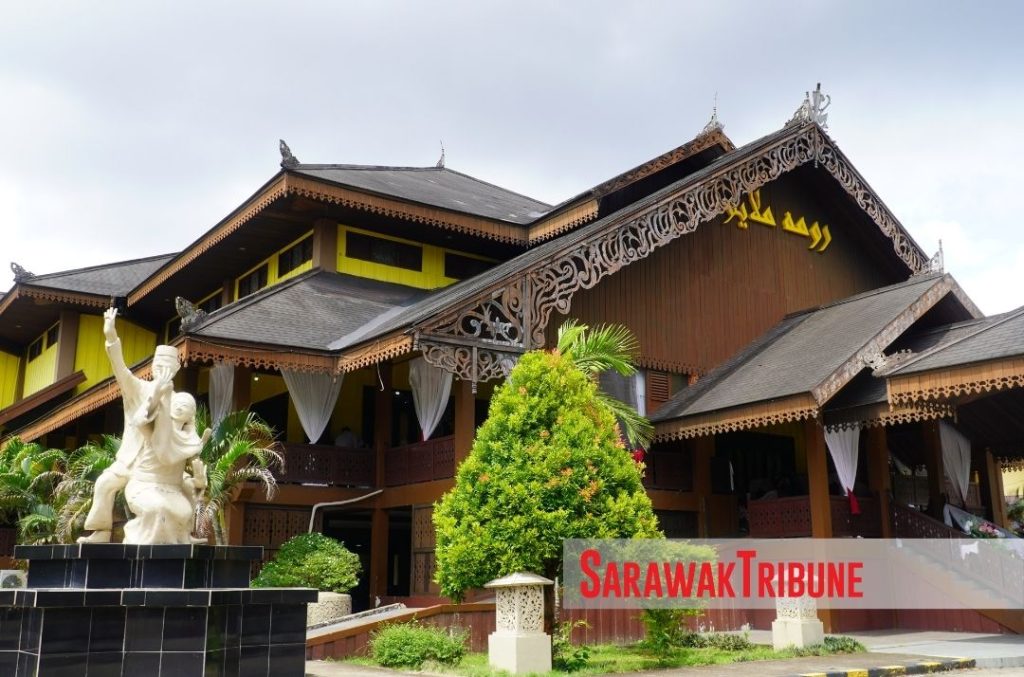
We then visited Rumah Radakng, a massive Dayak longhouse on stilts and Rumah Melayu, a traditional Malay house in Pontianak.
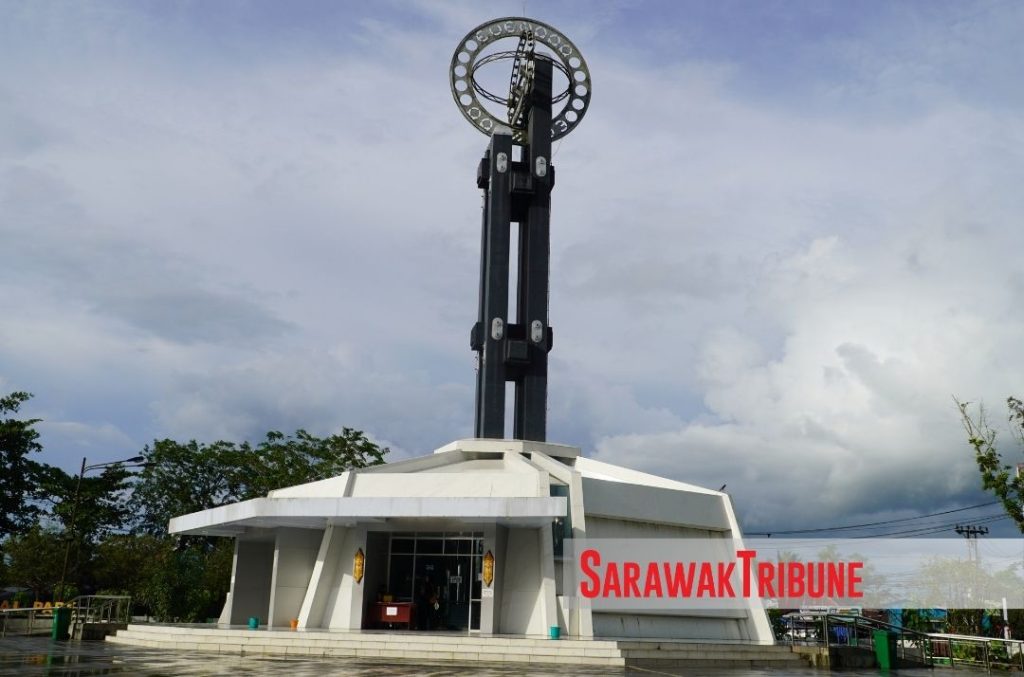
We also visited the Equator Monument, located on the equator.
Inside the dome, we saw the original monument which was initially built around four ironwood pillars which are well-preserved.
In Singkawang, the next morning, we went around Turi Traditional Market where residents buy their daily essentials and tourists can shop for souvenir items.
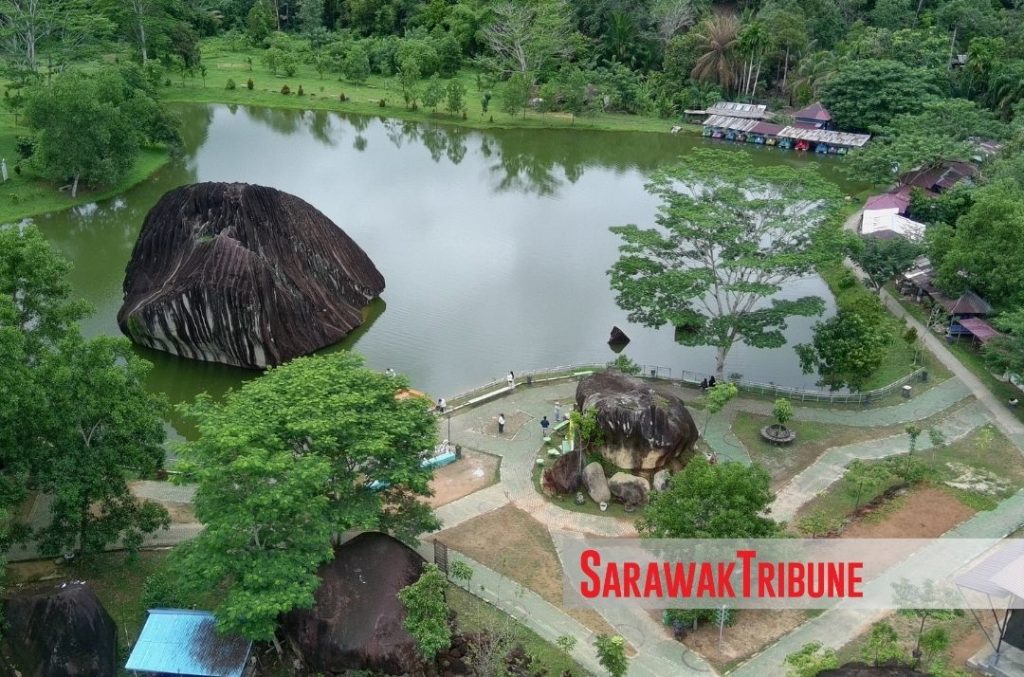
Batu Belimbing was our next stop. It is a big rock on a small lake and our tour guide said it was named after the starfruit (belimbing) because it resembles the grooved and curved shape of the fruit.
Initially, it was known by many names. It was named Batu Pulau because it resembles an island and then it changed to Batu Bergantung as the rock appears to be floating on the water.
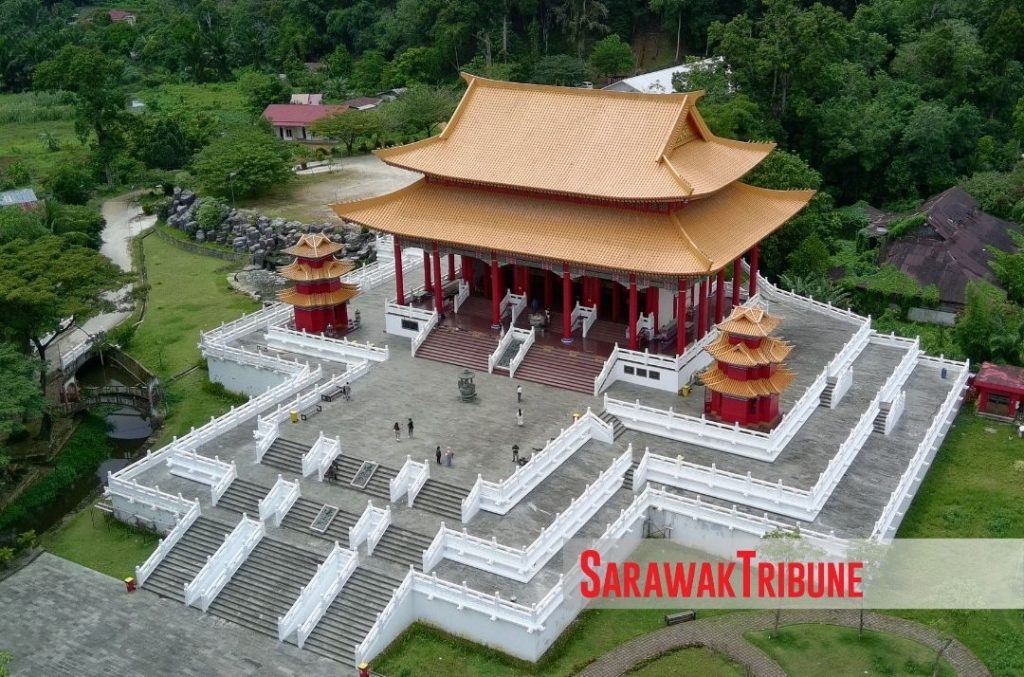
The Thai Pak Kung Kulor Temple is the biggest temple in Singkawang and potentially the biggest in Kalimantan.
It is a popular tourist spot to be visited, especially during Chinese New Year, and is known for its intricate dragon carvings.
We returned to the city centre and tried Choi Pan – a traditional Indonesian-Chinese steamed dumpling with a soft, delicate skin and a savoury filling to end the day.
Before we headed out to Pontianak, we stopped at Borneo Wood Gallery, where ironwood is turned into furniture, household items and others.
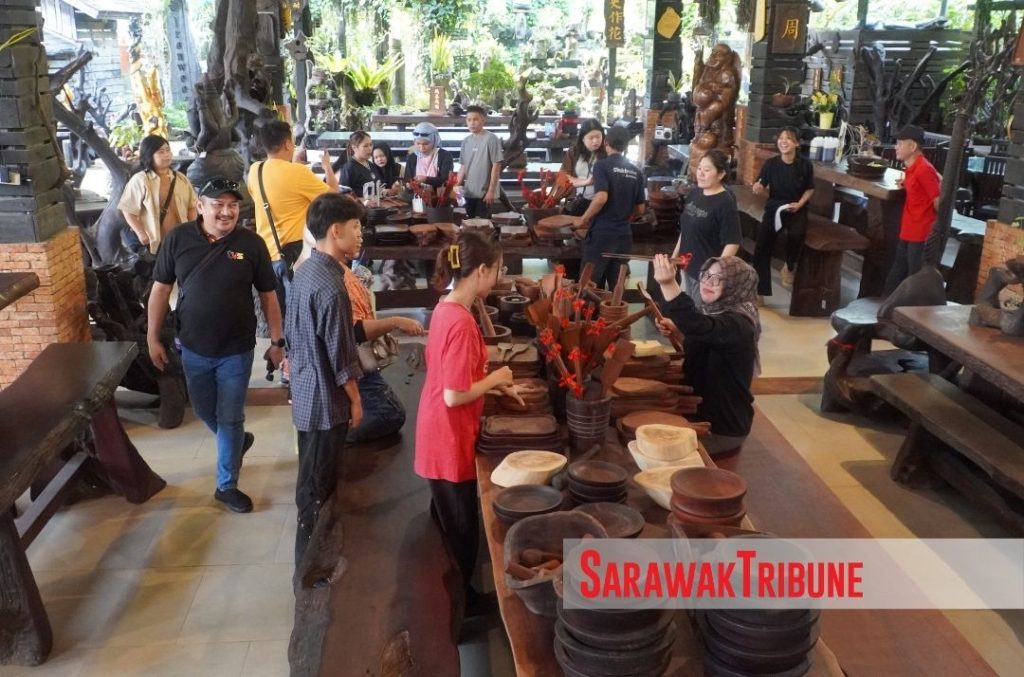
Some of us bought pestle and mortar, chopsticks and big ladles to take home.
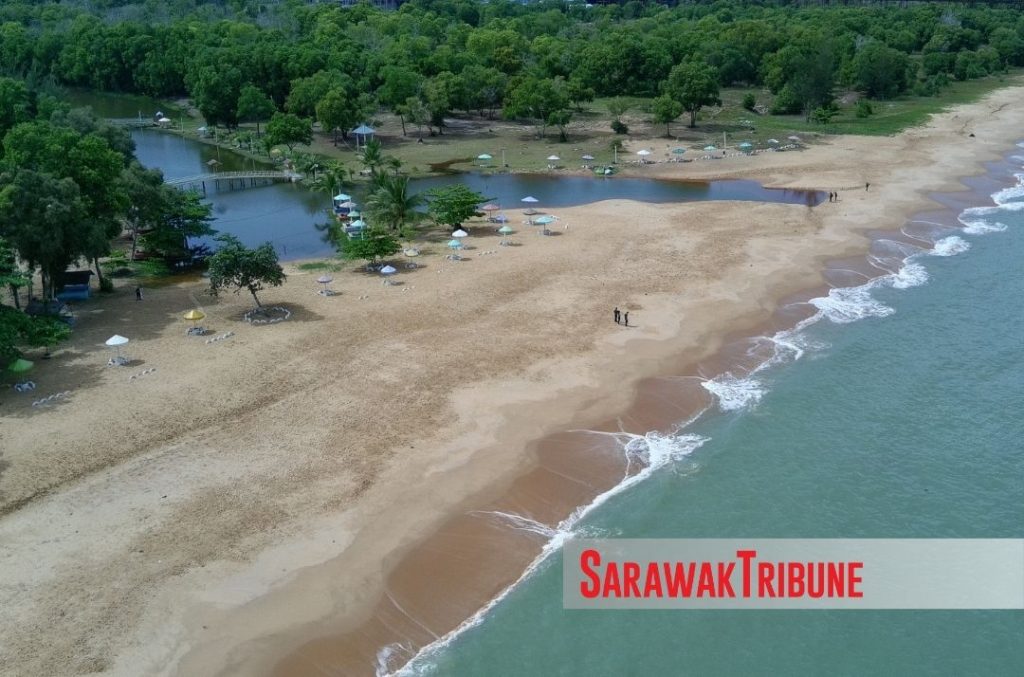
We also made a stop at Samudera Indah Beach, taking our time to relax and take in the ocean view before leaving Singkawang.
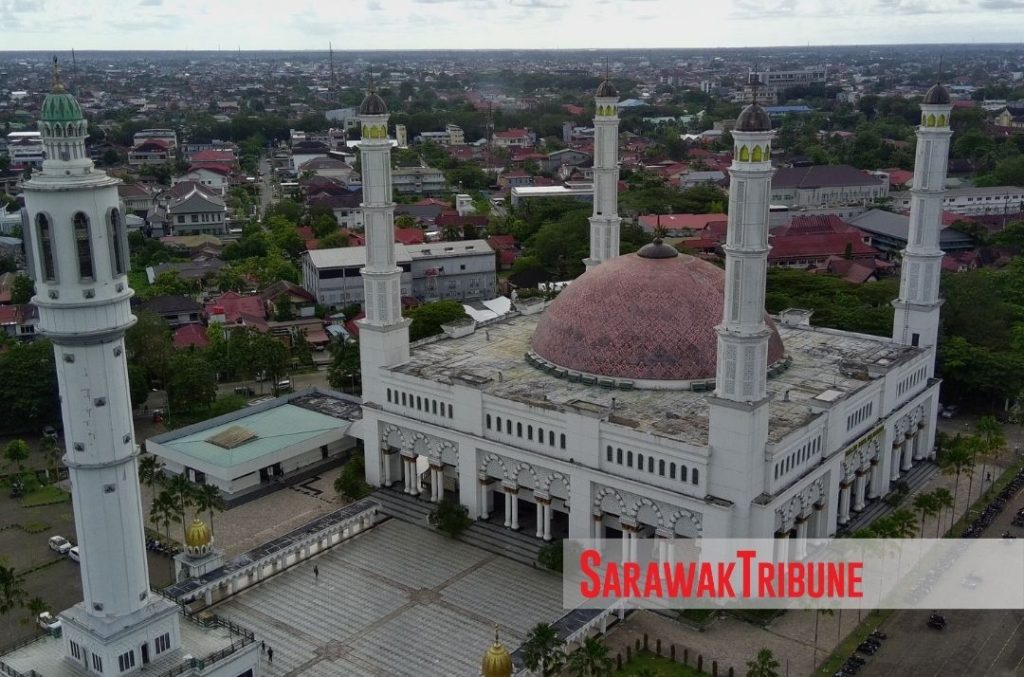
Upon returning to Pontianak, we visited the Hakka Traditional House and Masjid Al Mujahidin, the biggest mosque in West Kalimantan with a congregational capacity of about 8,000.
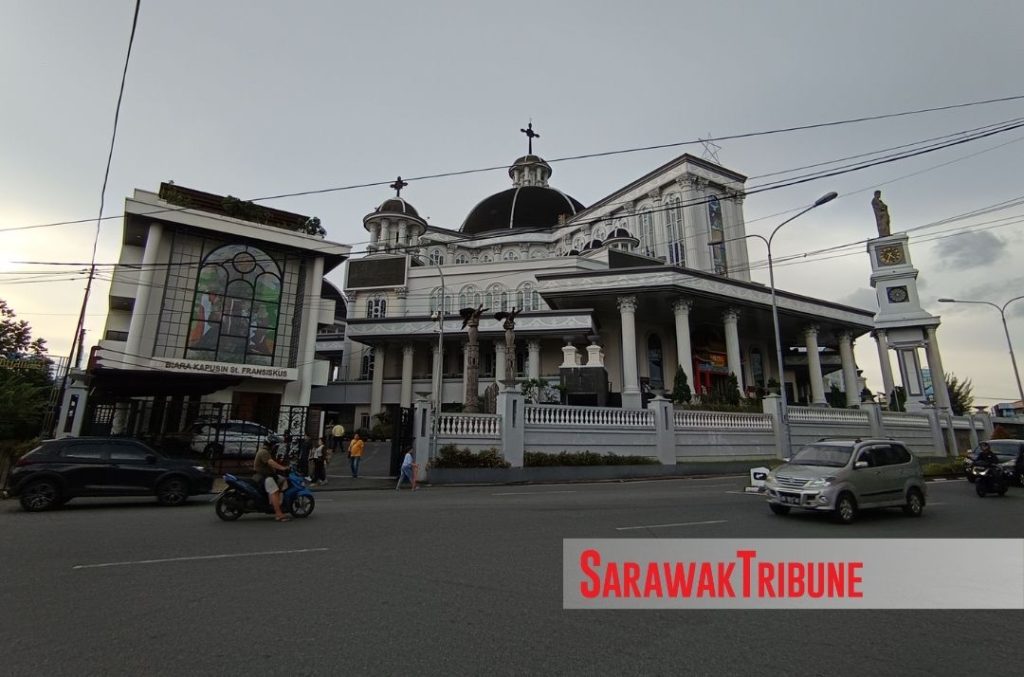
The St Joseph’s Catherdral in Pontianak is reputed to be the largest Catholic church in Southeast Asia.
What’s unique about the church is that it is adorned with Dayak motifs and carvings which coupled with its stained glass interior made the building resplendent.
The five-day trip was without a doubt an experience for me. The food is unique, the culture and the history are intriguing, and the people kind and hospitable.
All said, I’m confident the direct flights will boost the tourism industry and the economy of both Sarawak and West Kalimantan.