BY NURIN PATRA & ESZRYEEN KRIS
KUCHING: Tourism should create lasting benefits for local communities while preserving the culture, traditions and stories behind local products.
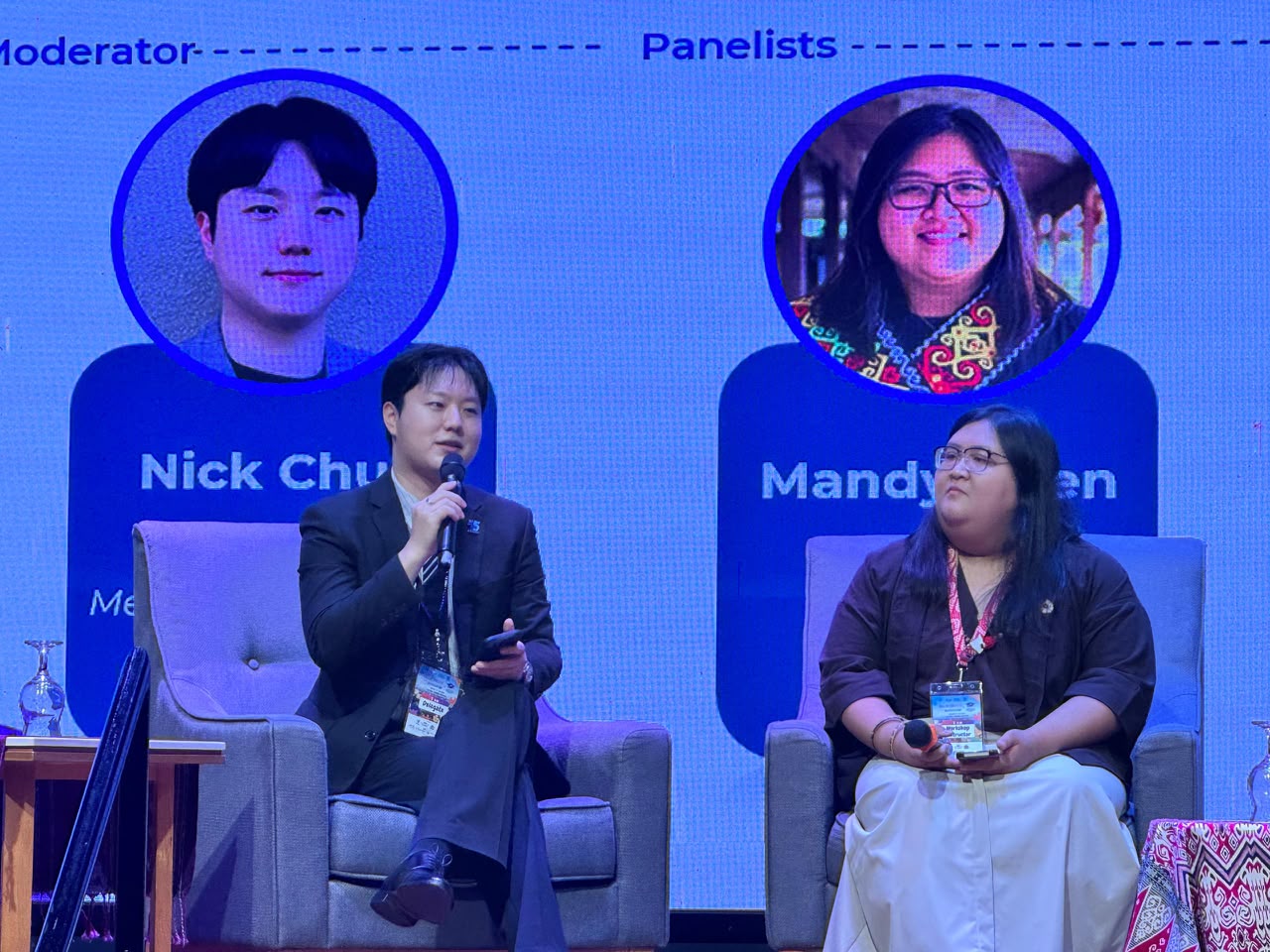
The point was highlighted during the ‘Travel That Gives Back: Local Ideas, Lasting Impact’ panel session, which explored how locally rooted ideas and entrepreneurship could strengthen culture and livelihoods while creating meaningful tourism experiences.
Moderated by PATA Membership and Youth Programme manager Nick Chun, the panel featured Landik Co co-founder Mendy Chen, SURUGA Marketing & Tourism Bureau director Taichiro Ishida and Bee Gastronomy Group founder and chief executive officer Vera Chin.
Drawing from her experience in the craft industry, Chen said tourism and social entrepreneurship could create opportunities for local artisans while helping sustain traditional crafts.
She said Landik Co, which she co-founded with university friends, initially focused on organising craft workshops after they noticed that craft events often had limited interaction between artisans and visitors.
“People are just sitting there and selling, and the buyers would come and see, take a look, and maybe ask a few questions and then left.
“So there was not really much of a story or interaction going on,” she said during the PATA Youth Symposium (PYS) and the 4th Education in Hospitality and Tourism Forum (EHTF) 2026 at a hotel on Monday (Aug 17).
This led Landik Co to move beyond workshops and develop products for sale as another way to support the artisans.
“Workshop alone is not enough to sustain. That’s why we started to make products to sell,” she said.
Chen said many traditional crafts had practical purposes and stories that should not be overlooked when presented as tourism products.
She said young people interested in entrepreneurship should remain curious and ask questions about the purpose and meaning behind the products they sought to promote.
“Why are we doing this? Does it contribute to something meaningful?” she asked.
Turning to Japan, Ishida said tourism could help address challenges facing traditional industries by creating a connection between producers and the market.
He said Suruga in Shizuoka was Japan’s leading Sencha-producing area, accounting for about 40 per cent of production, but the traditional tea industry was shrinking.
He noted that tea consumption habits had changed, with bottled tea widely available while some younger people and families no longer kept teapots at home.
He added that tourism could help visitors understand the industry by allowing them to meet tea farmers and learn about the production process.
“Just going to the tea field, tea farmer, but not enough. Maybe meet with them, hearing the story, and then know about, study about how to make a tea,” he added.
He said such experiences could help visitors understand the destination beyond simply consuming its products.
He also said tourism planners and local communities needed to recognise that they could have different priorities.
He added that communities needed tourism activities that were meaningful to them, while destination marketing organisations also had to consider what visitors valued and how to attract them.
Chin, meanwhile, said preserving cultural identity was equally important when local food was adapted for international visitors.
She said local cuisine could be modernised or adjusted to suit different tastes, but its origins, ingredients and cultural stories should remain intact.
She also said ingredients had their own flavour profiles, origins and cultural associations, which should remain identifiable even when they were used in new forms.
She gave the example of incorporating Bunga Kantan into a cake or buttercream while retaining its distinctive flavour.
“The format of serving can always change, but definitely not the story,” she said.
She acknowledged that some adjustments were necessary when introducing Sarawak dishes to people unfamiliar with spicy food, such as reducing the heat of Sarawak Laksa.
However, she said such changes should not remove the cultural roots of the dish or disregard the people and communities associated with its ingredients.
Chin also said entrepreneurship was ultimately about people, with business owners needing to communicate openly with their teams and allow individuals to discover their own strengths and interests.
She said entrepreneurs should guide their teams while giving individuals the space to make their own decisions.