PLASTIC waste can become a source of income and livelihood for Sarawak communities, particularly those in rural and remote areas, through small-scale upcycling initiatives that transform discarded materials into useful, high-value products.

The approach offers an alternative to conventional recycling by allowing communities to process plastic waste locally and turn it into items such as jewellery, accessories, tableware and furniture, while creating employment opportunities and helping to keep their surroundings clean.
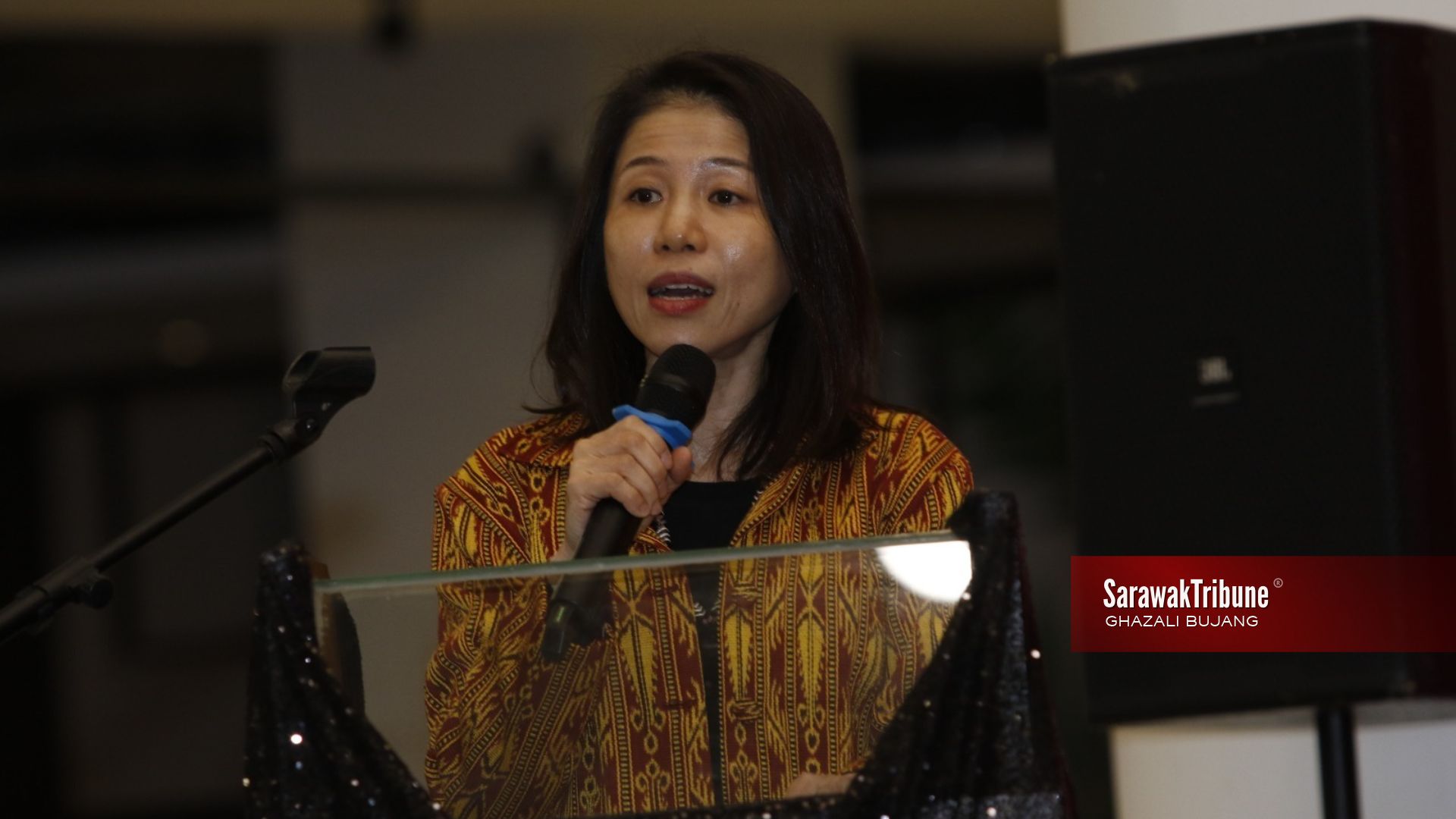
Michael Golub of The Sea Monkey Project said communities did not have to wait for large-scale recycling facilities or nationwide collection systems to be established before taking action against plastic pollution.
He said decentralised plastic upcycling projects could enable communities to make use of the plastic waste around them, generate income and address environmental concerns at the same time.
“These same communities have an opportunity to work on the ground, upcycling plastic into high-value premium products, generating income, and caring for both the people and the environment simultaneously,” he said in an interview with Sarawak Tribune recently.
The Sea Monkey Project
The Sea Monkey Project has helped establish a global network of 135 plastic upcycling project sites in 35 countries, with most operating in remote island or coastal communities where plastic pollution was highly visible and waste management services were limited.
Golub said the model could be relevant to Sarawak, especially in communities where access to conventional recycling facilities remained a challenge.
Explaining the difference between industrial recycling and upcycling, Golub said Malaysia already had a capable mechanical recycling industry, but its existing infrastructure was operating below capacity and relied on imported plastic waste as feedstock.
He said increasing domestic plastic collection for recycling would require a wider system involving designated collection bins, waste separation at source, collection vehicles, reliable collection services, as well as policy improvements and enforcement.
However, he pointed out that the demand for recycled plastic also needed attention, as much of it is used to produce more single-use packaging and other low-value products.
Plastic upcycling
Plastic upcycling offers communities another way to make use of discarded materials without the substantial investment required to establish an industrial recycling plant.
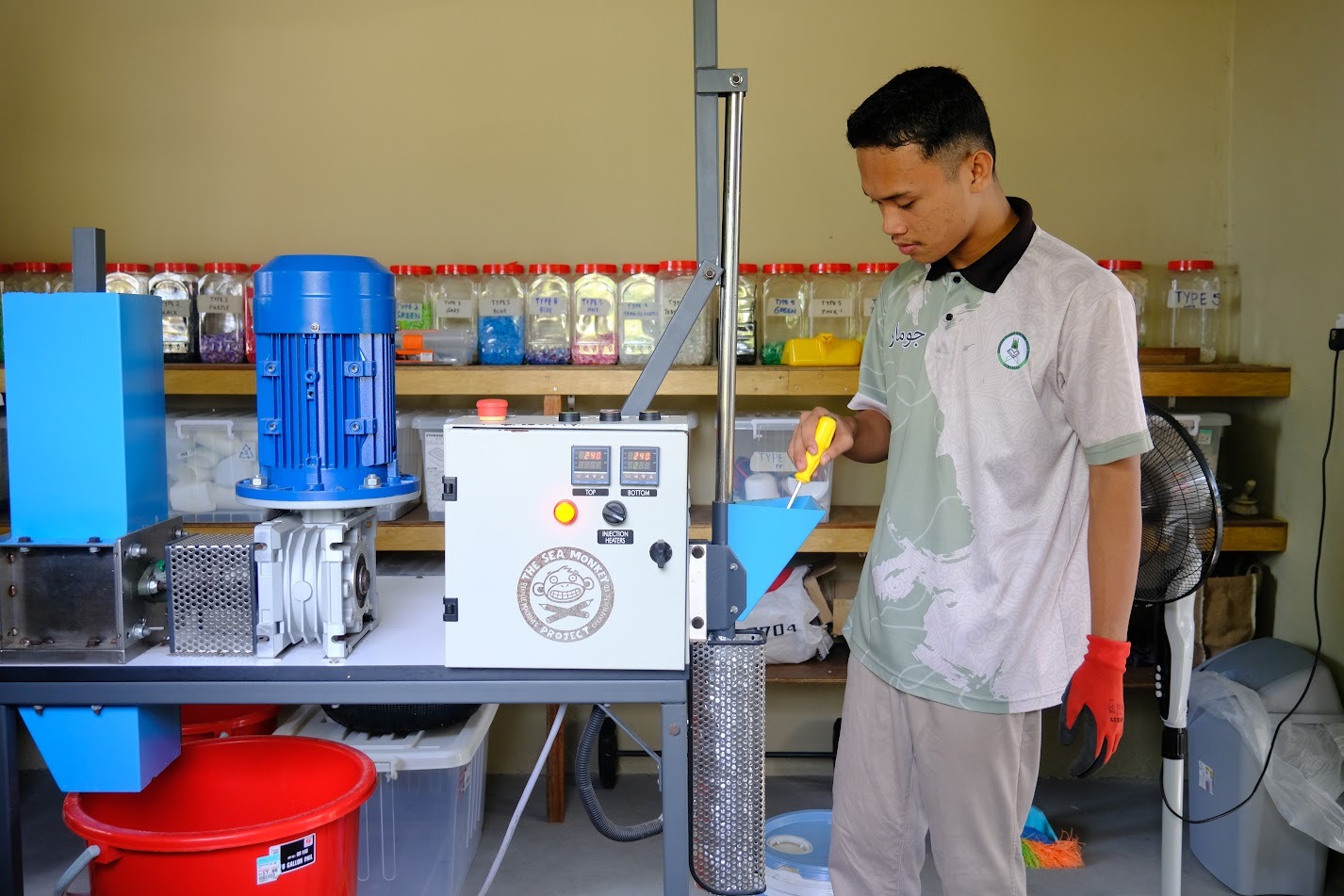
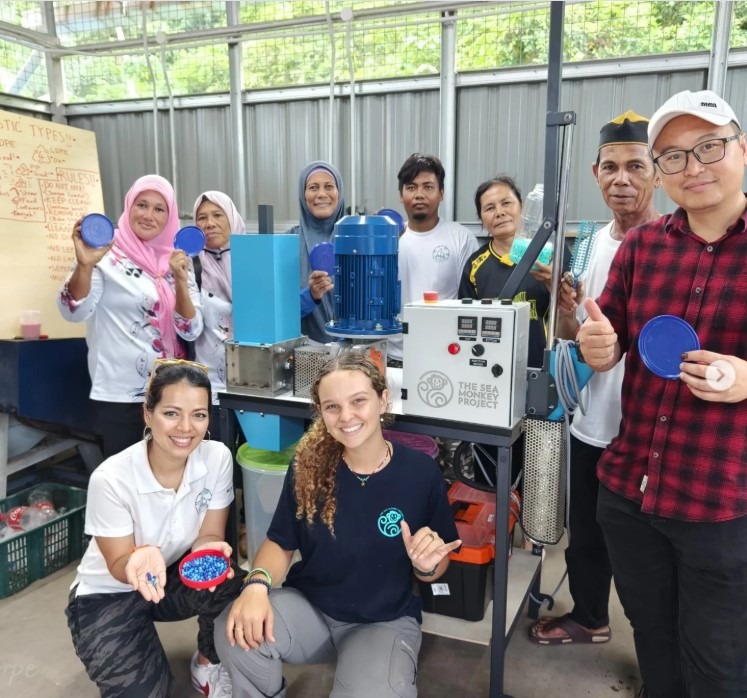
Golub said the process involved collecting post-consumer plastic packaging, cleaning and shredding it into flakes before melting and injecting the material into moulds to produce functional items.
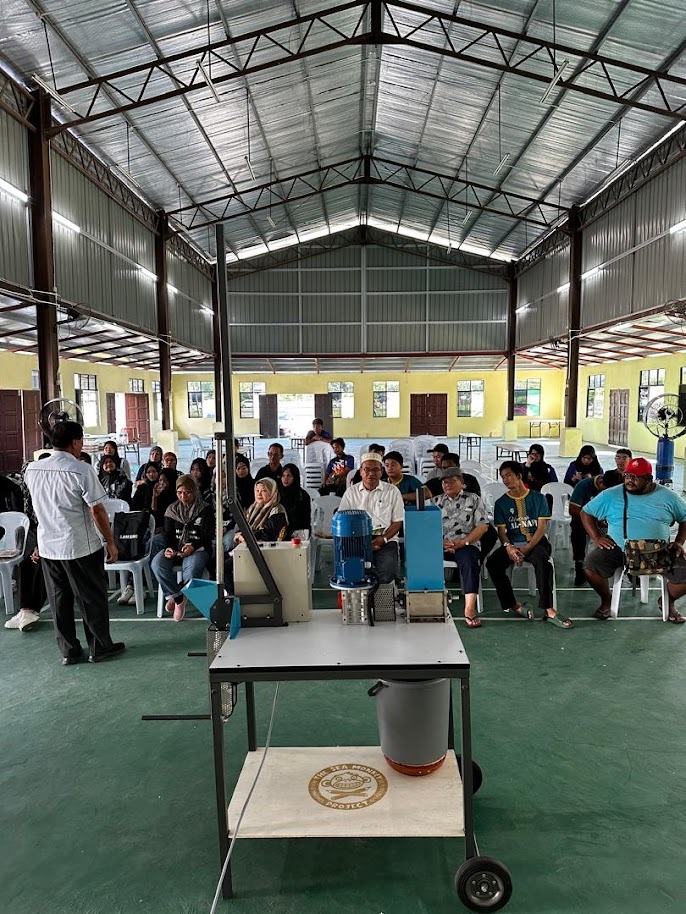
He said the necessary equipment could be relatively simple, durable and mobile, making it suitable for community-based projects with limited resources.
Beyond providing machinery, The Sea Monkey Project also designs and manufactures products and customised moulds, while offering in-person training to help new project teams establish and manage their initiatives.
Its training could introduce inexperienced participants to the entire upcycling process within one to two days, equipping them with the skills and confidence to continue operating independently.
The resulting products could range from jewellery and accessories to dishes, tableware, furniture and other practical household items.
For communities with limited employment opportunities, particularly those in remote locations, such initiatives could provide more than an environmental service.
“Through upcycling, they’re able to address each of these concerns, and create positive impacts in their communities by beginning to value the abundant plastic supply that surrounds them, recognising it as a resource, and transforming it into high-quality products, thus generating sustainable work and income while cleaning the environment,” said Golub.
The model could also involve schools, universities, social enterprises, environmental groups, businesses and local authorities, with each playing a different role in developing a local upcycling ecosystem.
Schools and universities, for instance, could incorporate plastic upcycling into design and technology lessons or extracurricular environmental activities, with the production and sale of items also serving as fundraising opportunities.
Businesses, from multinational companies to local social enterprises, could focus on product design, sustainability initiatives and retailing items made from upcycled plastic.
Government support
Governments could support these efforts by connecting local brands, non-governmental organisations and environmental groups with funding, resources and project facilitators.
“Working together to build a network of plastic upcycling service providers and facilitators can be a particularly effective method for governments to connect various local brands, NGOs, and environmental groups with the necessary funding and resources,” Golub said.
Such collaboration, he added, could help strengthen waste management while supporting a local circular economy that benefits communities, the environment, tourism, culture and livelihoods.
On the sustainability of these initiatives, Golub said plastic upcycling is labour-intensive and required commitment and passion, making it particularly suited to community groups, environmental organisations, social enterprises and schools.
Although the initial investment is relatively low compared with industrial recycling, he said communities with the greatest need for such initiatives are often those with limited financial resources.
He therefore highlighted the importance of state support, particularly in making sustainability education and upcycling programmes more accessible to students in public schools.
Focus on youth education
Much of The Sea Monkey Project’s work, he said, focused on youth education, with the aim of extending its social and environmental benefits to students from different backgrounds.
Golub acknowledged that plastic pollution required broader action, including international cooperation, stronger environmental policies and enforcement, changes in product design and production, and more responsible consumption.
However, he said communities could begin making a difference by taking practical steps to address plastic pollution in their immediate surroundings.
“The sooner we begin acting in a practical way to recognise and address the visibly apparent problems of plastic pollution in our own communities, the more equipped we will be to be proactive in preventing plastic pollution altogether as a society,” he said.