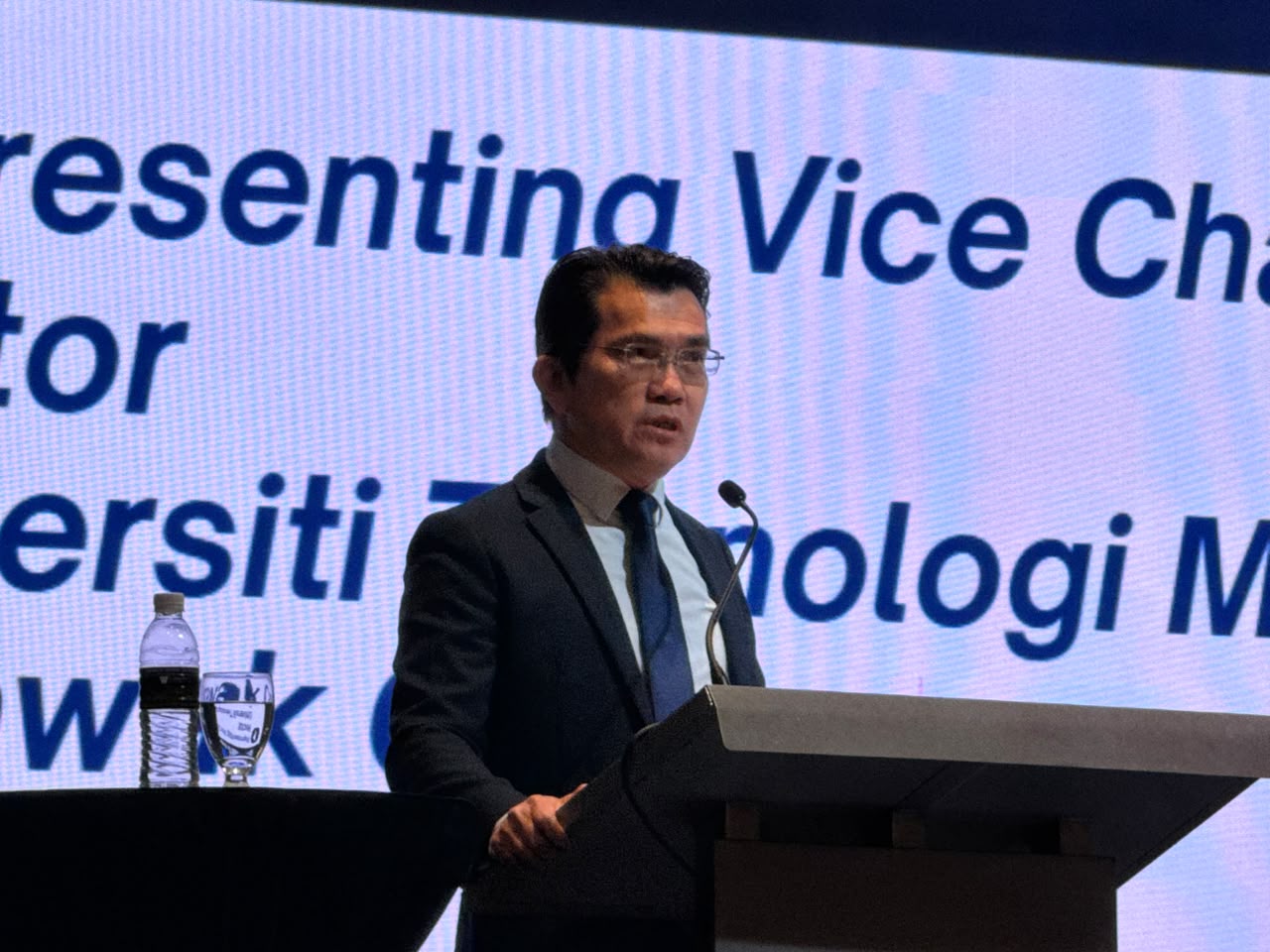
KUCHING: Universities need to work closely with government, industry and communities to develop sustainable solutions as the global energy sector undergoes major transformation, said Universiti Teknologi MARA (UiTM) Sarawak’s Rector, Professor Dr Firdaus Abdullah.
He said the “quadruple helix” approach highlighted the importance of universities working with various stakeholders in a sustainable manner, rather than operating in isolation.
“University exists not in isolation. University exists to work with various stakeholders – the government, the industry and the community – in a sustainable manner,” he said.
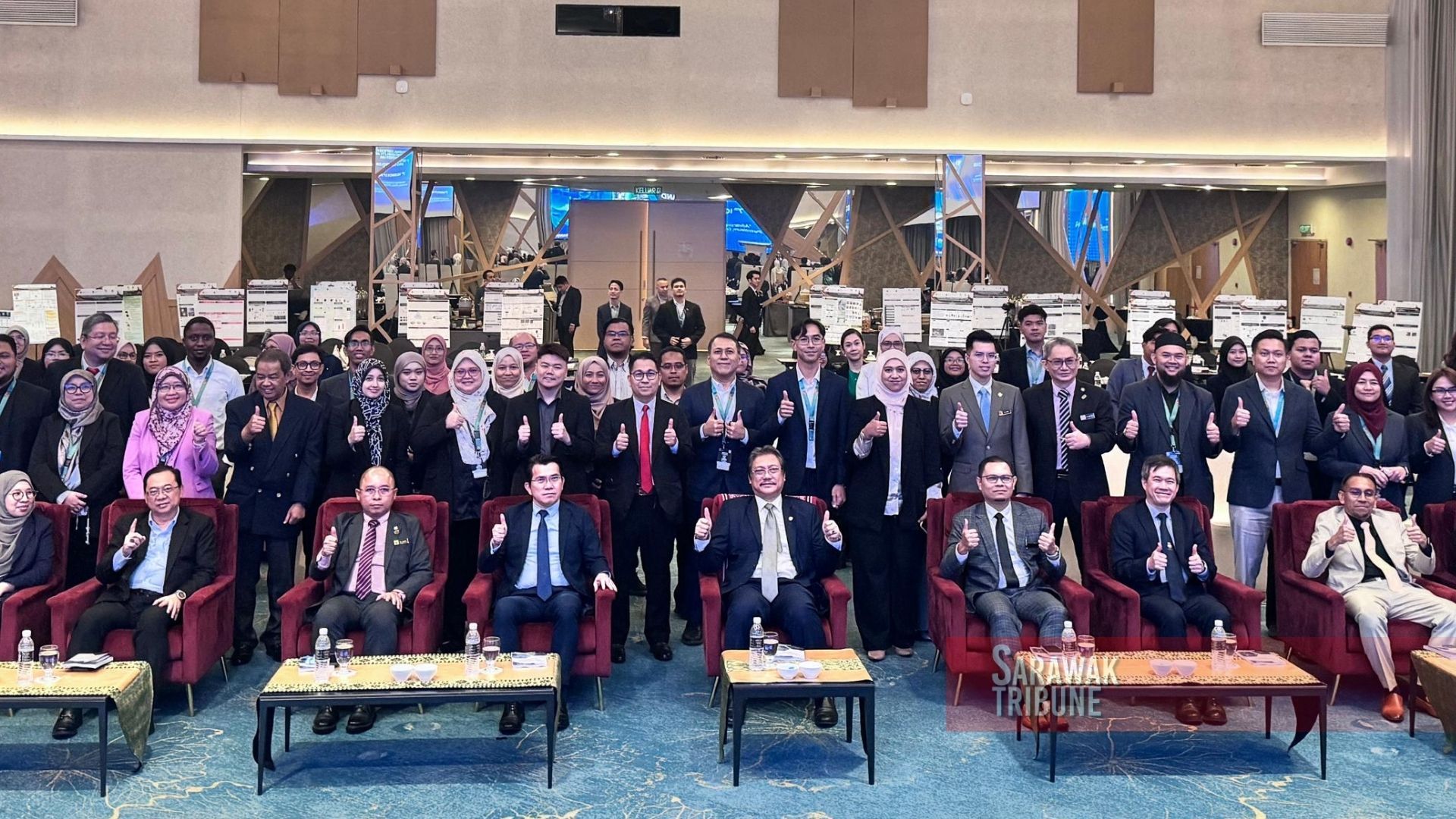
Speaking at the opening of the seventh International Conference of Global Sustainability and Chemical Engineering and the inaugural Summit for Petroleum and Energy, Firdaus said such collaboration was increasingly important amid concerns over energy security, geopolitical developments, economic stability, and environmental sustainability.
He said the conferences provided a platform for academia, industry, professional bodies, government and students to explore new research collaborations, technologies, innovations and solutions.
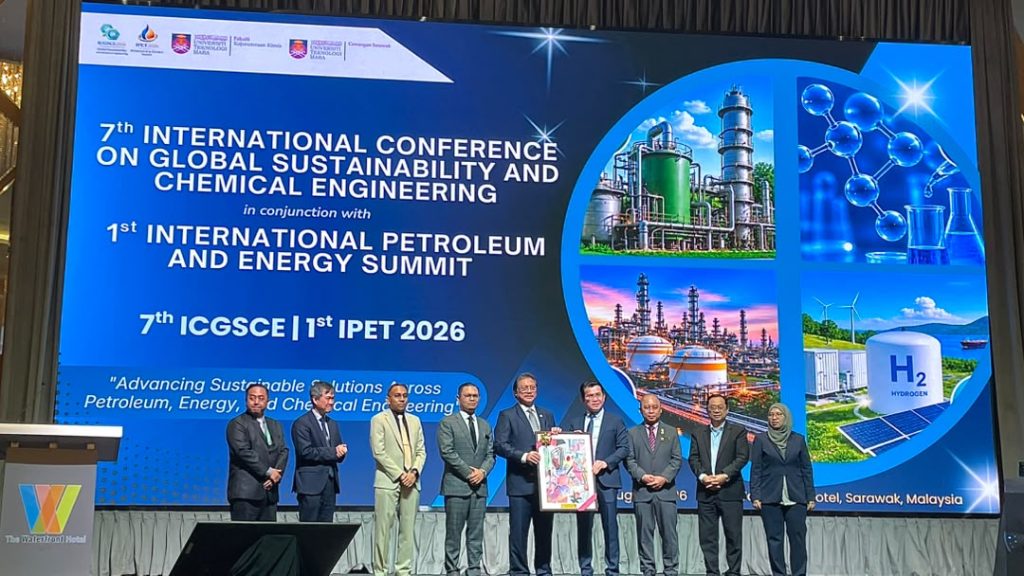
Firdaus said sustainability was also being incorporated into UiTM’s academic programmes and curriculum reviews to prepare graduates to contribute to industry, society and the nation.
He highlighted the Faculty of Chemical Engineering’s collaborations with international universities and industry players, including Tohoku University in Japan and Petronas Chemicals, as well as student mobility programmes in China.
“These programmes serve as excellent platforms for students to gain international exposure,” he said.
Firdaus said Sarawak was a timely venue for the conferences given the state’s efforts to advance its green economy, green energy and sustainability agenda.
He said the energy transition should not simply focus on choosing between conventional energy sources such as petroleum and natural gas and renewable energy, but also on managing the transition.
“Energy security is well connected with the geopolitical situation, economic stability and environmental sustainability,” he said.
Firdaus also called for research generated through the conferences to be translated into practical solutions rather than remaining solely in laboratories or academic publications.
He said stronger collaboration among academia, industry and policymakers was necessary to move research and innovation towards commercialisation.
Firdaus said government support, appropriate policy frameworks, investment and stronger academia-industry collaboration were essential in building an effective innovation ecosystem.
Meanwhile, he said the Faculty of Chemical Engineering had achieved strong rankings in the QS World University Rankings by Subject, with petroleum engineering ranked among the top 150 globally, while chemical engineering was ranked 350th worldwide.
He expressed hope that continued collaboration between academia, industry and government would further strengthen the university’s standing in both fields.
The conferences brought together more than 100 delegates, including more than 30 participating virtually, with participants from six countries.