KUCHING: Bidayuh voters remain largely pragmatic in their political outlook, placing greater emphasis on stability, rural development and Sarawak’s interests rather than on national political debates.
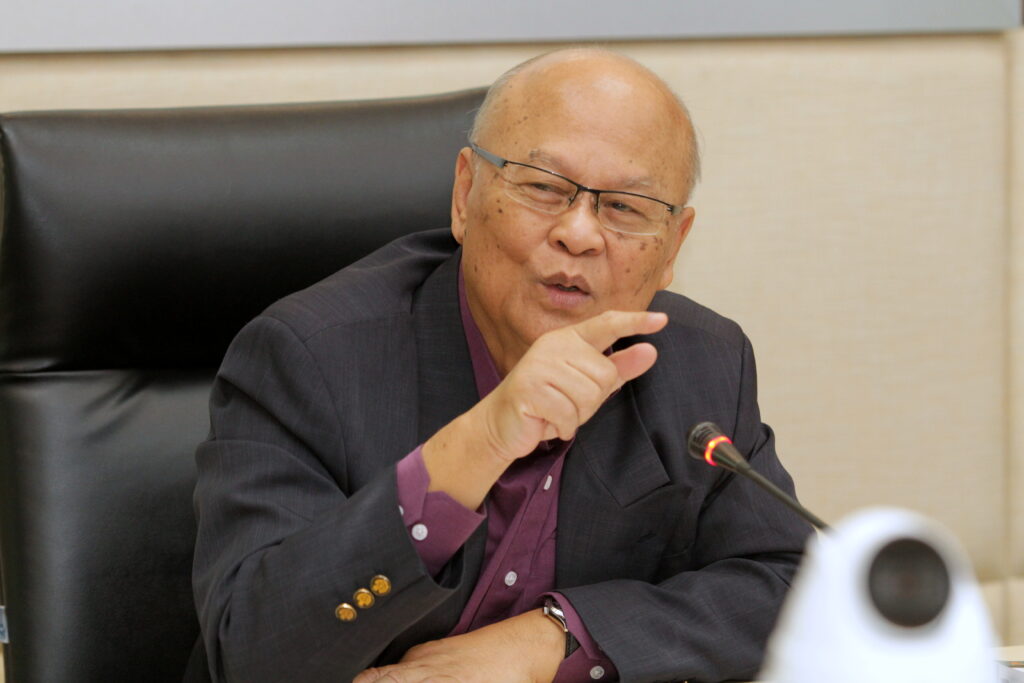
According to political analyst Datuk Peter Minos, the Bidayuh electorate can generally be divided into two broad groups —urban and rural — with each having different priorities, although both ultimately favour political stability and continued development under the Gabungan Parti Sarawak (GPS) government.
He said the urban Bidayuh community is generally more educated, exposed and informed, making them more attentive to wider policy issues affecting Sarawak.
In contrast, the much larger rural population remains primarily concerned with fundamental development needs that directly affect their daily lives.
“The rural folks definitely go for the basics— good roads, electricity, water supply, clinics, community halls and other essential infrastructure.
“They naturally support efforts to improve these facilities because these are the issues that matter most in their everyday lives,” he said.
While urban Bidayuh voters share these concerns, Minos said they are also more focused on broader Sarawak issues, including the state’s rights, autonomy and long-term development agenda.
He noted that local issues such as road connectivity, reliable water supply, internet access and rural development are likely to carry far greater weight in Bidayuh-majority constituencies than national political narratives.
According to Minos, Bidayuh voters generally place less importance on developments in federal politics because they perceive themselves as a relatively small community with limited influence over national affairs.
“They feel the larger communities have greater political influence in Kuala Lumpur and are better positioned to deal with national issues,” he said.
Instead, he said, Bidayuh voters are more inclined to focus on matters that directly affect Sarawak and their local communities.
Minos believes political stability remains a key consideration for the community.
He cited many Bidayuhs view GPS as having provided stable leadership while safeguarding Sarawak’s interests, making the coalition their preferred choice.
He added that many Sarawakians, including Bidayuhs, remain sceptical of Peninsular Malaysia-based political parties, believing they do not fully understand or prioritise Sarawak’s unique aspirations.
Minos said there is also widespread appreciation among Bidayuh voters for the leadership of Premier Datuk Patinggi Tan Sri Abang Johari Tun Openg, whom many regard as progressive and effective.
“Many are saying that under the current Premier, so many things have been achieved and Sarawak’s future looks bright. So why disturb things?” he said.
“That is the prevailing attitude: to continue supporting what is seen as beneficial for Sarawak because what is good for Sarawak is also good for the Bidayuh community.”
Minos predicted that the majority of Bidayuh voters would continue to support GPS in the coming state election, expressing confidence that all Bidayuh-majority state seats would remain in the coalition’s hands.
“DAP, PKR and other parties cannot attract or influence Bidayuh voters,” he said.