KUCHING: For many Buddhists, Wesak Day is more than just a religious celebration. It is a deeply personal occasion that brings families together in reflection, gratitude and compassion.
As preparations continue for this year’s Wesak Day celebration on May 31, Kuching South City Council (MBKS) councillor Eric Tay Tze Kok shared how the annual observance has remained an important part of his life since childhood.

Born into a Buddhist family, Tay said Wesak Day holds a special place in his heart as it commemorates the birth, enlightenment and passing of Lord Buddha.
“To me, Wesak Day is a very meaningful occasion for me and my family. It is a time of reflection, gratitude and spiritual renewal.
“Beyond the religious aspect, it also reminds us to practise compassion, kindness and mindfulness in our daily lives,” he said in an interview recently.
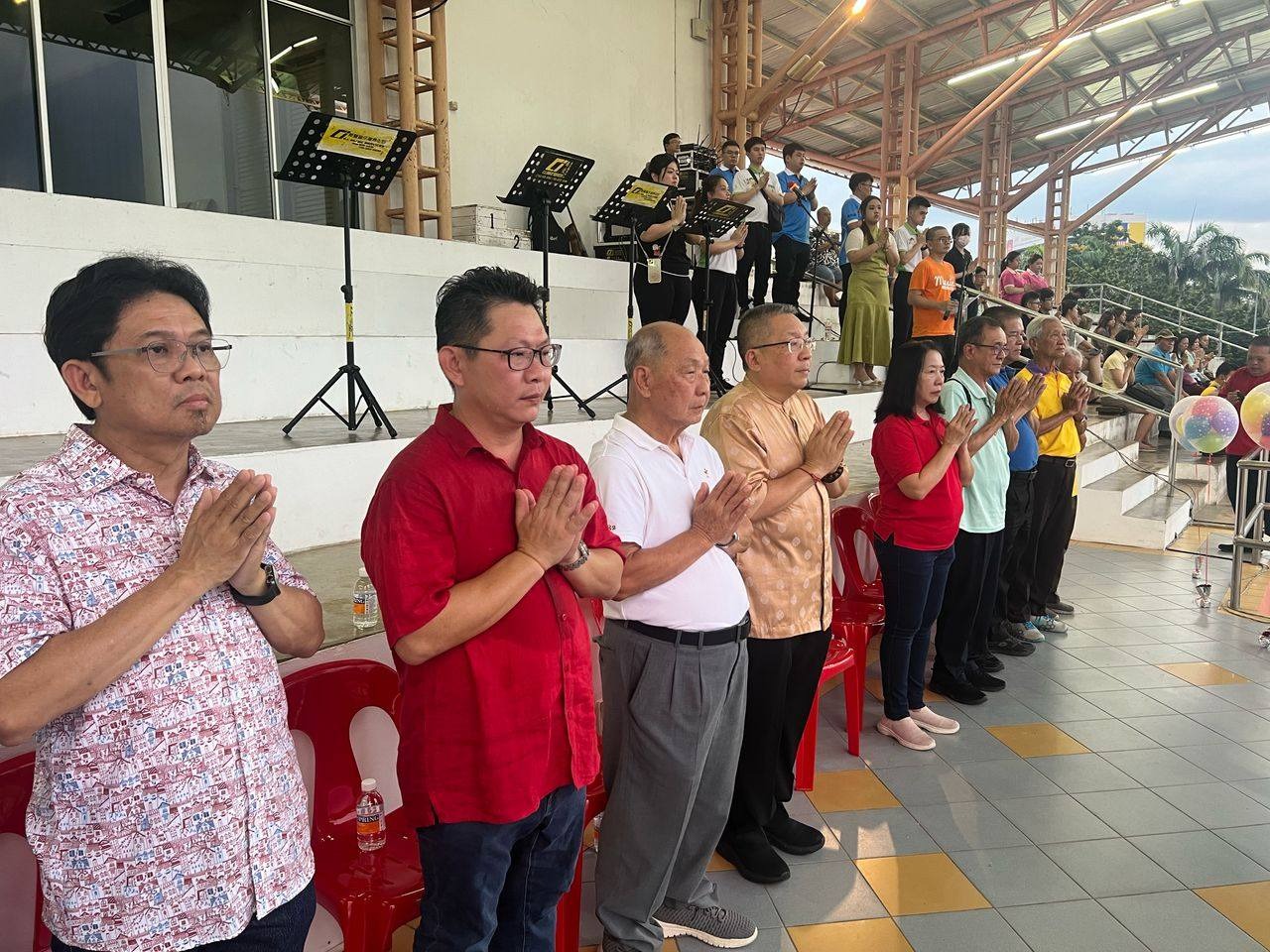
Every year, Tay and his family begin the day early by visiting temples and monasteries to offer prayers and make offerings.
“We always have that little bowing to the Buddha. Besides that, we also participate in charity and encourage our children to understand the importance of doing good deeds and helping others.”
For Tay, Wesak Day is also about slowing down from the demands of everyday life to spend meaningful time with loved ones.
“I take the opportunity to spend peaceful and meaningful time with my family.”
While rituals such as prayers and offerings remain central to the celebration, Tay said some of his fondest memories are tied to the atmosphere surrounding the occasion.
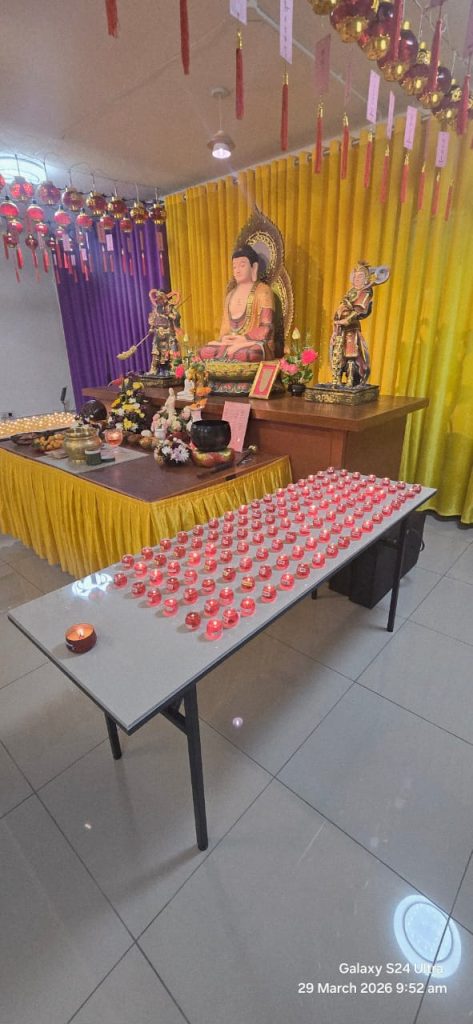
“The moment we reach the temple, the spirit, the atmosphere of the monastery, the lanterns, the incense burning and the prayers all these remain vivid in my memory.”
More importantly, he recalled the sense of togetherness among people from all walks of life.
“It is really about people gathering peacefully together.”
Tay believes younger generations can better appreciate the significance of Wesak Day through family guidance, education and community involvement.
“I think it must be through doing things together by going to the monastery together and by parents sharing advice and values with their children.
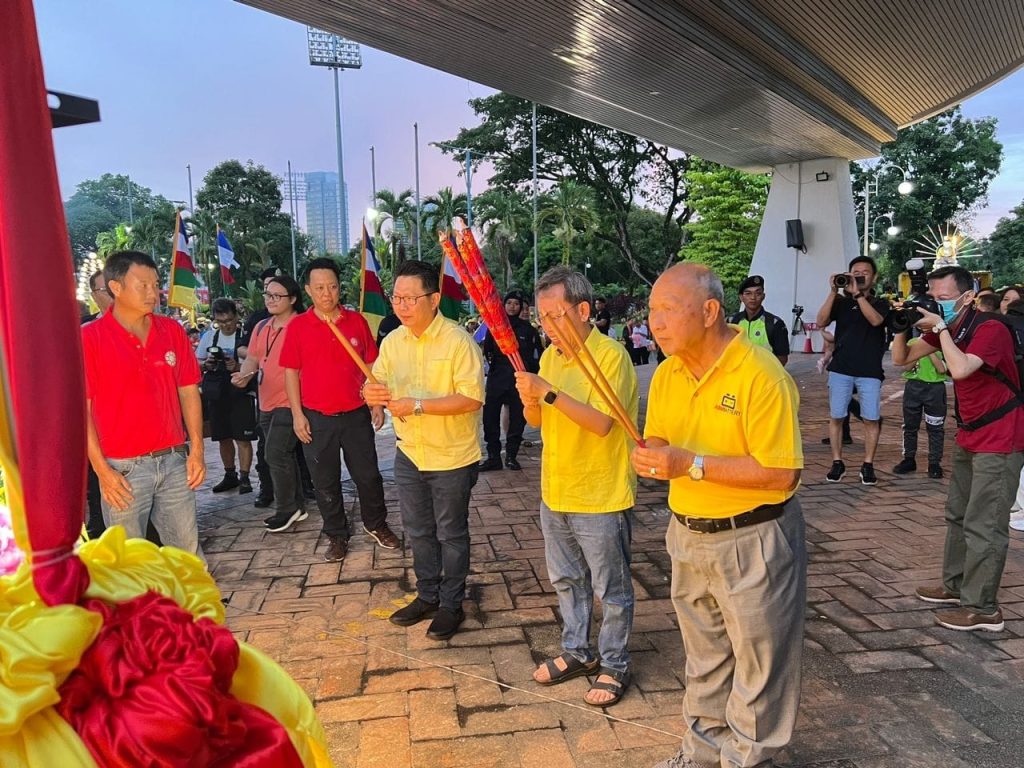
“That is exactly what I will be doing with my children every year during Wesak Day.”
Beyond temple visits, Tay said Buddhism has also taught him valuable principles that guide his daily life, including compassion, patience, honesty and mindfulness.
“Being considerate to people around us and helping those in need whenever possible are important values.
“When we are in a better position, let’s not forget the needy. Even small deeds matter helping with house chores, giving spare change or simply showing kindness to others.”
Tay also took the opportunity to highlight the harmony enjoyed by Sarawakians of different faiths, describing it as something worth appreciating during Wesak Day.
“We are very lucky in Sarawak because we live harmoniously.
“There are continued efforts by the Sarawak government and Unit for Other Religion (Unifor) to ensure a peaceful environment for everyone’s celebrations.”
He noted that religious processions and prayers are often met with understanding and tolerance from people of other faiths.
“I even have Christian friends visiting us or joining activities at the monastery. This is something very special about Sarawak.”
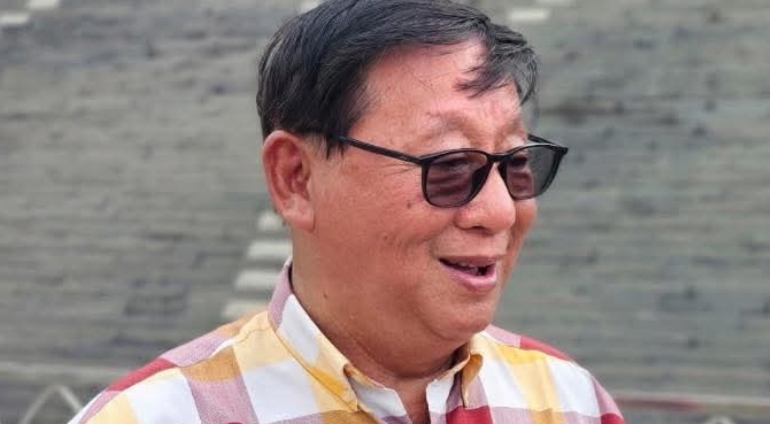
Tay hopes Sarawakians will continue to uphold mutual respect and harmony regardless of religion or background.
“Wesak Day is a good time for all of us to reflect on how fortunate we are as Sarawakians.”
Similarly, Teo Khiaw Club vice-chairman Sim Han Tong said Wesak Day has long been an integral part of his family’s spiritual journey.
“My family and I have always been Buddhists, and we are also formally ordained Buddhists.”
According to Sim, Wesak Day, also known as Buddha Day, is regarded as an auspicious occasion celebrated by Buddhists worldwide.
“It is an important day of remembrance that commemorates the Buddha’s birth, enlightenment and parinirvana.”
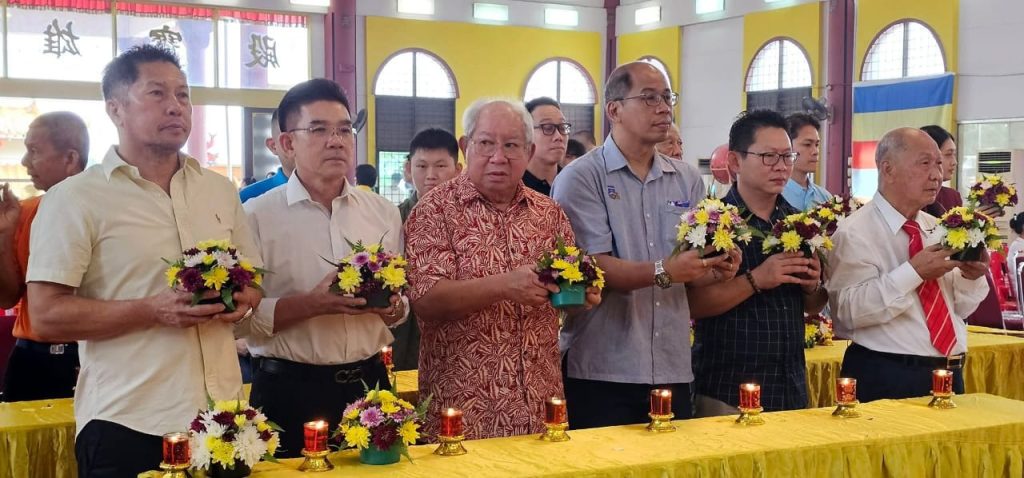
One of the family’s annual traditions is participating in the Buddha-washing ceremony at Buddhist temples or associations.
“Every year on Wesak Day, my family and I go to a Buddhist temple or Buddhist association to participate in the devout and pure Buddha-washing ceremony.”
He explained that the ritual symbolises the aspiration to cleanse oneself of negativity while cultivating good deeds and wisdom.
“The meaning of this ceremony is to wish to eliminate all evil, to perform all good deeds and to attain enlightenment.”
Like Tay, Sim’s childhood memories of Wesak Day remain closely tied to the peaceful atmosphere at temples during the celebration.
“I remember the lanterns, the melodious chanting and the solemn yet warm Buddha-washing ceremony.
“There was an atmosphere of peace and tranquillity everywhere.”
Sim also emphasised the importance of passing Buddhist teachings and values to younger generations.
“In addition to traditional Buddhist faith, the younger generation can also appreciate the wisdom and harmonious teachings of Humanistic Buddhism.”
He believes such teachings can help shape positive values and perspectives in life.
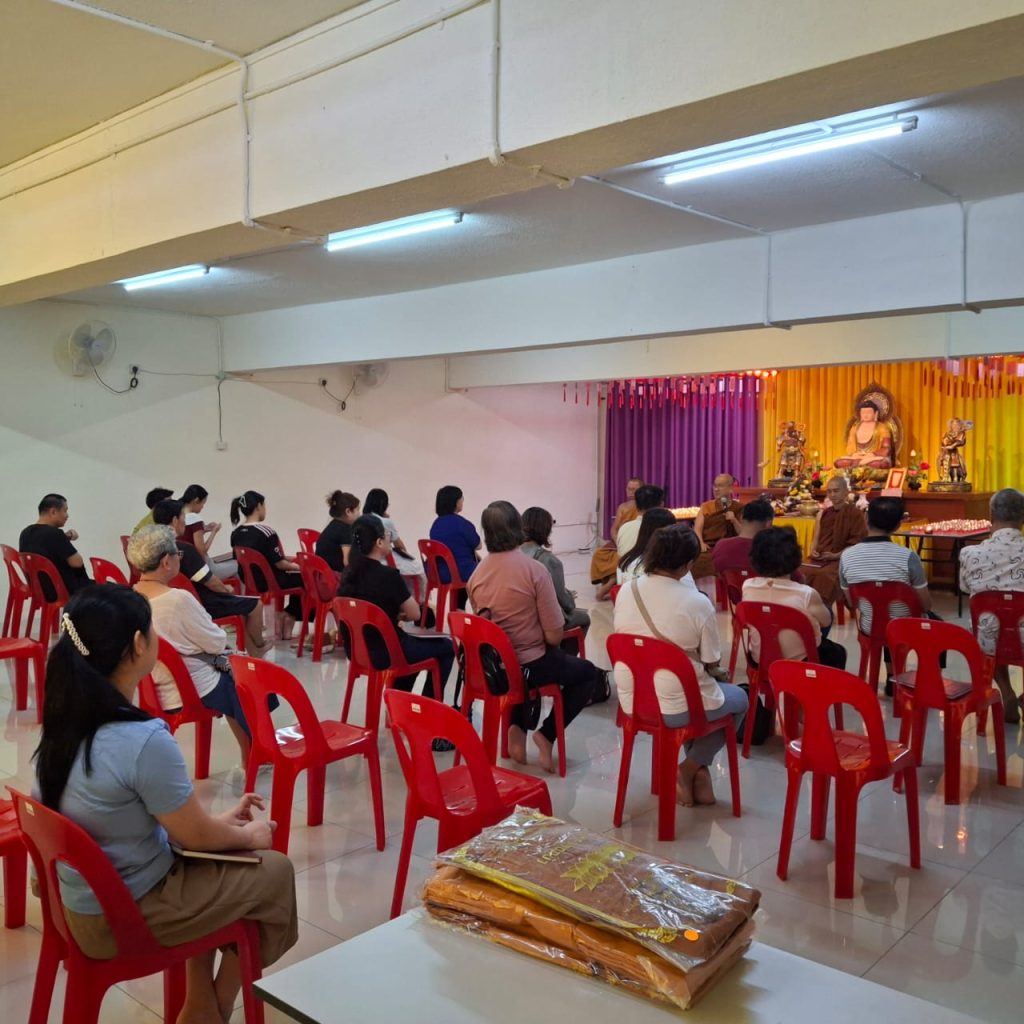
“The Buddhist wisdom of compassion and harmony can help us overcome greed, anger and ignorance in our daily lives.
“It guides us to establish a confident and carefree value system in life.”
As Buddhists across Sarawak prepare to celebrate Wesak Day, both Tay and Sim hope the occasion will continue to inspire kindness, mindfulness and unity within the community.
For many devotees, the celebration may begin with prayers, lanterns and rituals but at its heart lies a timeless reminder to live with compassion, gratitude and harmony with others.