A nation is only as strong as its citizens
EVERY society admires talent.
We celebrate:
- intelligence
- achievement
- qualifications
- expertise
- success
Yet history repeatedly teaches us something important:
Many talented people fail.
Many highly educated people make poor decisions.
Many skilled individuals damage relationships, organisations, and communities.
Why?
Because talent determines what a person can do.
Character determines what a person will do.
In Love Forensic™ – Phase V, we explore a powerful truth:
The future of a nation depends less on talent and more on the emotional quality of its citizens.
The difference between talent and character
Talent is a gift.
Character is a choice.
Talent may help someone achieve success.
Character determines what they do with that success.
A person may possess:
- intelligence without integrity
- influence without responsibility
- power without empathy
When this happens, talent becomes dangerous.
Without character, ability lacks direction.
The emotional foundation of character
Character is not built through lectures.
It is built through repeated emotional decisions.
Every day people choose whether to:
- tell the truth
- keep promises
- remain respectful
- control impulses
- accept responsibility
These small decisions eventually become identity.
In Love Forensic™ terms:
Character is emotional intelligence expressed consistently over time.
Why emotional citizens matter
An emotional citizen is not someone who is overly emotional.
It is someone who understands:
- their emotions
- their responsibilities
- their impact on others
They recognise that citizenship extends beyond rights.
It also includes:
- contribution
- accountability
- social responsibility
Healthy societies are built by people who understand both freedom and responsibility.
The five traits of an emotional citizen
1. Self-Awareness
They understand:
- what triggers them
- what motivates them
- what influences their decisions
They do not allow emotion to control behaviour unconsciously.
2. Self-Regulation
They pause before reacting.
They understand:
Not every feeling requires immediate action.
This prevents conflict, aggression, and poor decisions.
3. Empathy
They recognise that others:
- think differently
- feel differently
- experience life differently
Empathy allows cooperation in diverse societies.
4. Accountability
They do not constantly blame:
- government
- employers
- family
- society
Instead, they ask:
“What is my role in improving this situation?”
5. Contribution
They seek to add value.
Not merely consume benefits.
They understand:
Strong communities are built by contributors, not spectators.
The silent crisis of modern society
Modern society often rewards visibility more than character.
People may become known for:
- popularity
- influence
- social media presence
Yet character develops quietly.
It appears when:
- nobody is watching
- recognition is absent
- shortcuts are available
Character reveals itself under pressure.
Why nations need more than intelligence
Artificial intelligence can process information.
Technology can automate tasks.
Machines can improve efficiency.
But no machine can replace:
- integrity
- empathy
- moral judgment
- emotional responsibility
The future will increasingly reward human qualities that technology cannot replicate.
Character during difficult times
True character becomes visible during adversity.
When facing:
- disappointment
- criticism
- uncertainty
- failure
People reveal who they really are.
Anyone can behave well when conditions are favourable.
Character is demonstrated when conditions are not.
Building emotional citizens starts early
Emotional citizenship begins in:
Families
Where respect and responsibility are first learned.
Schools
Where cooperation and discipline are practised.
Communities
Where trust is experienced.
Workplaces
Where accountability becomes reality.
Every institution contributes to character formation.
The ripple effect of one citizen
Many people underestimate their influence.
But one emotionally mature citizen can affect:
- a family
- a workplace
- a community
- an organisation
Positive behaviour spreads.
So does negative behaviour.
Every citizen contributes to the emotional climate of society.
A question worth asking
Instead of asking:
“What does my country owe me?”
Ask:
“What kind of citizen am I becoming?”
Because nations do not rise solely through policy.
They rise through people.
Dr Ben’s reflection
Talent may open doors, but character determines how far a person can go.
A nation does not become strong because it produces intelligent citizens.
It becomes strong because it produces responsible, resilient, and emotionally mature citizens.
The future of society will always depend on the quality of character within its people.
NEXT WEEK IN LOVE FORENSIC™ – PHASE V Issue III
“The connected community – Why belonging is a human need, not a luxury”
Why are loneliness, isolation, and social fragmentation increasing even in a digitally connected world?
Next Saturday we explore:
- community psychology
- belonging
- loneliness
- social trust
- collective wellbeing
and why emotionally healthy communities are essential for national resilience.
Phase V Journey
Nation → Citizen → Community → Institution → Future
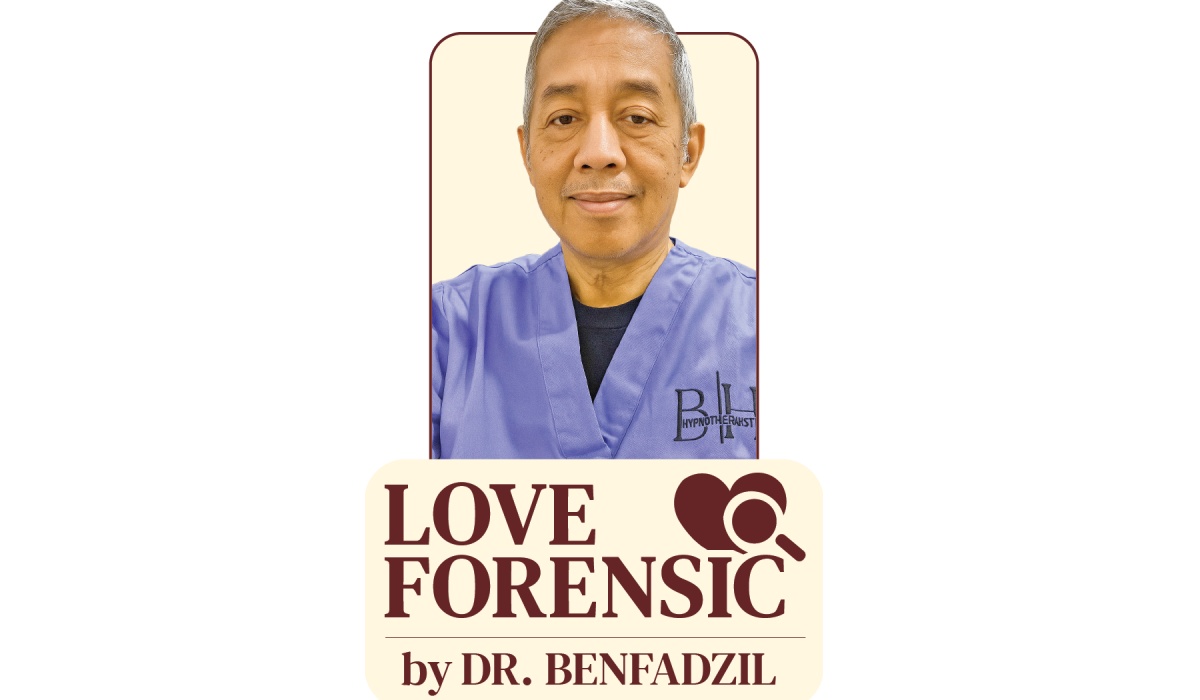
● Dr Benfadzil Mohd Salleh, Forensic Psychologist, Founder, Benfadzil Academy; H/P: 0122350404, Email:drbenfadzil@gmail.com
Love Forensic™ – Understanding People, Strengthening Society
The views expressed here are those of the writer and do not necessarily represent the views of Sarawak Tribune.