Marked annually on November 19, World Toilet Day serves as a reminder of the importance of proper sanitation and hygiene. But keeping toilets clean is not solely the responsibility of cleaners; it is a shared duty that begins with simple everyday habits.
It’s More Than Just a Flush
When I was in primary school in the 1990s, keeping our surroundings clean was part of being a pupil.
Our responsibilities went beyond sweeping classroom floors, wiping the blackboard and emptying rubbish bins. We were also assigned to clean school toilets and drains, pull weeds around flower pots and carry out other chores to keep the school environment tidy.
These duties continued when I moved on to secondary school, making cleaning an ordinary part of our daily routine.
Back then, we did not think too much about it. It was simply something we had to do, whether it was our turn to sweep the classroom or make sure the toilets were clean.
Today, school cleaning is generally handled by dedicated cleaning staff, making the routines I experienced during my schooldays less familiar to many pupils.
There is nothing wrong with having cleaners maintain school facilities. Their work is important and deserves recognition.
Still, looking back, those childhood chores taught us something beyond keeping our classrooms and toilets tidy: the importance of taking responsibility for the spaces we share.
This lesson remains relevant, particularly following World Toilet Day, which was marked on November 19. The annual observance highlights the importance of safe sanitation and better hygiene for everyone.
Perhaps we no longer have to scrub school toilets or clean drains as pupils, but we should never outgrow the responsibility of keeping our surroundings clean.
Where good habits begin
Toilet cleanliness is often associated with public facilities, where complaints about dirty floors, unpleasant smells, overflowing bins and poorly maintained toilet bowls are common.
While regular cleaning, an adequate water supply and proper maintenance are essential, the behaviour of toilet users also plays a part in keeping these facilities hygienic.
Simple actions such as flushing after use, disposing of rubbish properly and leaving the washbasin clean can make a difference to the next person.
These habits should ideally begin at home, where children first learn about personal hygiene and how to use shared facilities responsibly.
Parents can teach children to flush after using the toilet, wash their hands with soap, avoid throwing objects into toilet bowls and keep the surrounding area reasonably clean.
As they grow older, they can also be encouraged to take responsibility for simple household chores, including helping to keep the bathroom tidy.
The aim is not to expect children to perform difficult cleaning tasks, but to help them understand that cleanliness is a shared responsibility.
After all, a child who learns to respect the facilities at home is also learning to show consideration when using toilets elsewhere.]
More than just keeping things tidy
While these routines may seem like small matters, they form part of a much bigger picture.
A toilet is not just another room in the house that needs cleaning. Proper sanitation is essential to protecting both personal and public health.
Poor sanitation and inadequate hygiene can have consequences that extend far beyond unpleasant smells or untidy bathrooms.
According to the World Health Organization (WHO), poor sanitation is associated with the transmission of diseases such as cholera, dysentery, typhoid and intestinal worm infections.
Its latest sanitation fact sheet, published on November 5, 2026, reported that 3.4 billion people worldwide still lacked safely managed sanitation services in 2024.
Of these, 1.5 billion lacked even basic sanitation services, including 354 million who continued to practise open defecation.
These figures highlight the scale of a problem that many people with access to proper toilets and sanitation facilities may rarely think about.
It is also important to understand that having a toilet does not automatically mean having safely managed sanitation. Human waste must be safely contained, treated or disposed of to prevent it from contaminating the surrounding environment.
For those who have access to proper facilities, maintaining good hygiene is one way of making the most of that access.
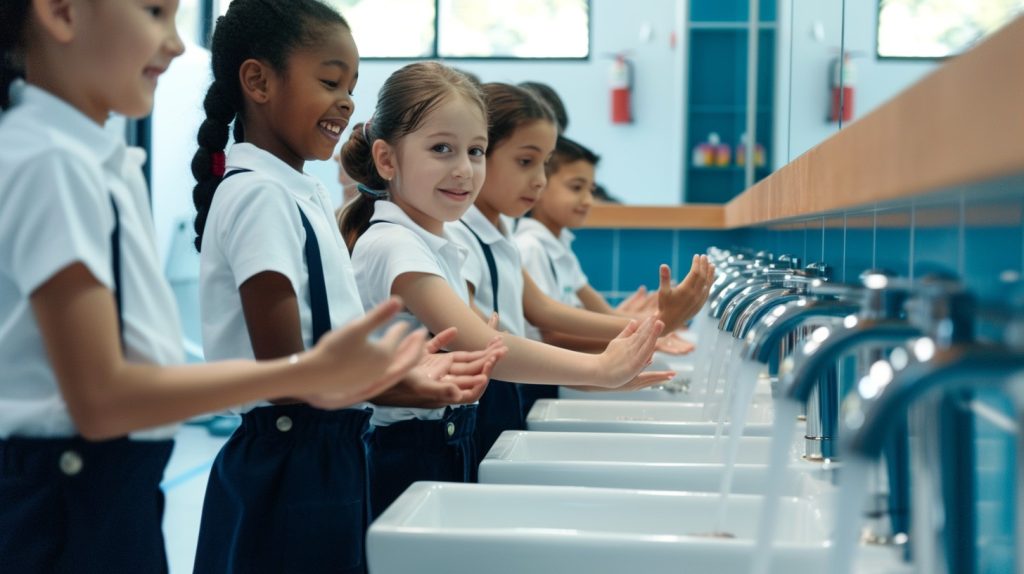
Handwashing is another essential part of the routine.
The WHO and UNICEF’s 2025 Guidelines on Hand Hygiene in Community Settings identify washing hands after using the toilet or handling faeces as one of five key moments for practising hand hygiene.
The guidelines recommend washing hands with plain soap and water, thoroughly rubbing all surfaces of both hands before rinsing.
It is a simple practice, but one that should never be overlooked, whether at home, school, the workplace or a public facility.
Access to proper sanitation, however, goes beyond individual behaviour. Reliable water supplies, functioning sewage systems, adequate toilet facilities and regular maintenance are equally important in ensuring that toilets remain safe and hygienic.
While these responsibilities largely fall on authorities and facility operators, users also have a part to play in keeping the facilities clean.
The next person matters
One of the things that can make using a public toilet unpleasant is entering a cubicle only to find that the previous user has left it in a mess.
It could be an unflushed toilet, tissue paper scattered across the floor, rubbish left behind or water splashed around the washbasin.
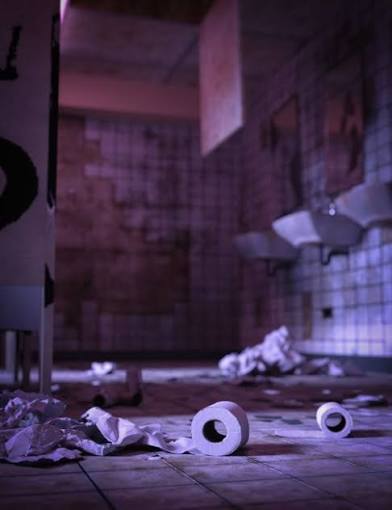
These may seem like minor inconveniences, but they can make the experience unpleasant for the next user.
A clean toilet is not necessarily one that has just been scrubbed by a cleaner. It is also one that users have treated with consideration.
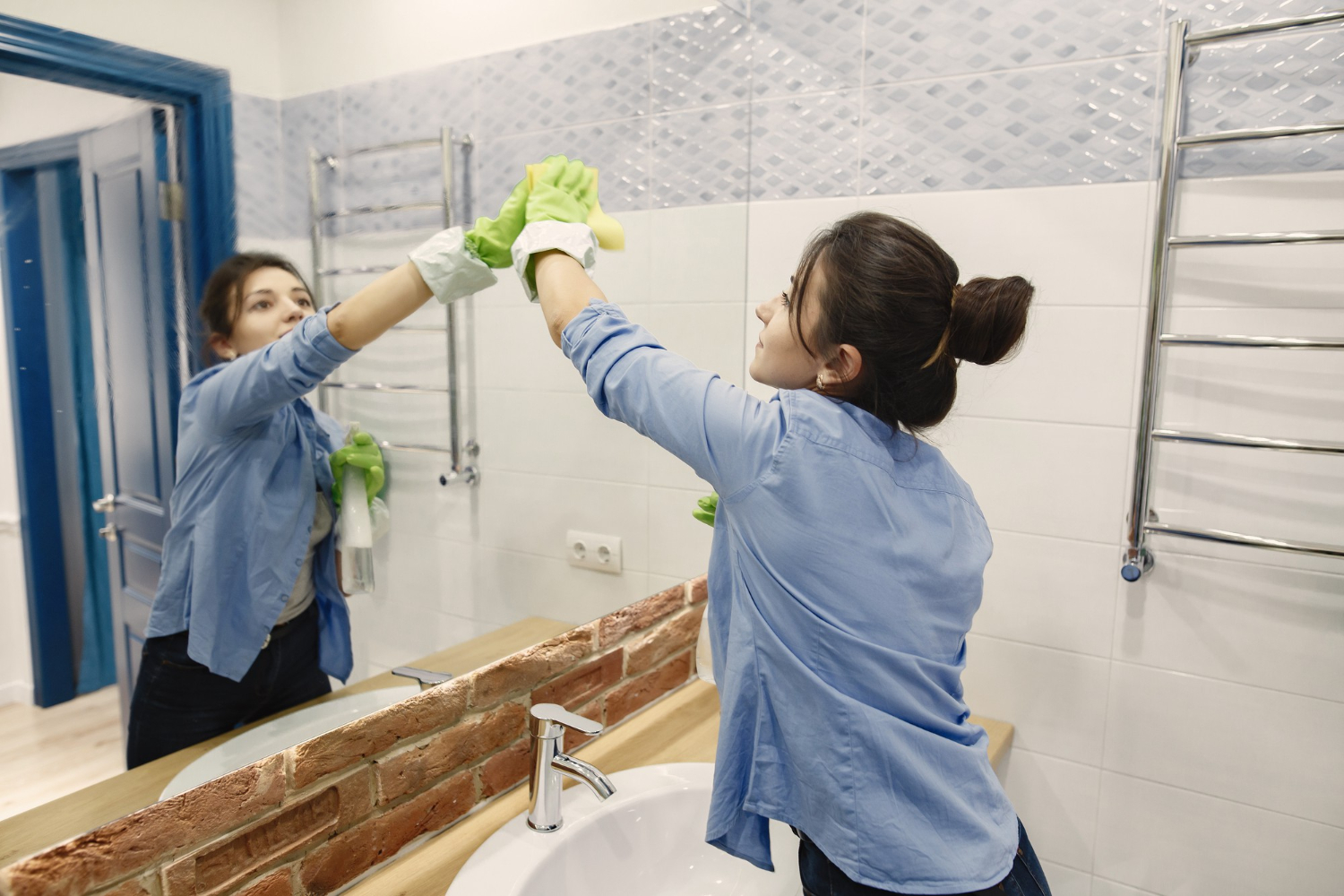
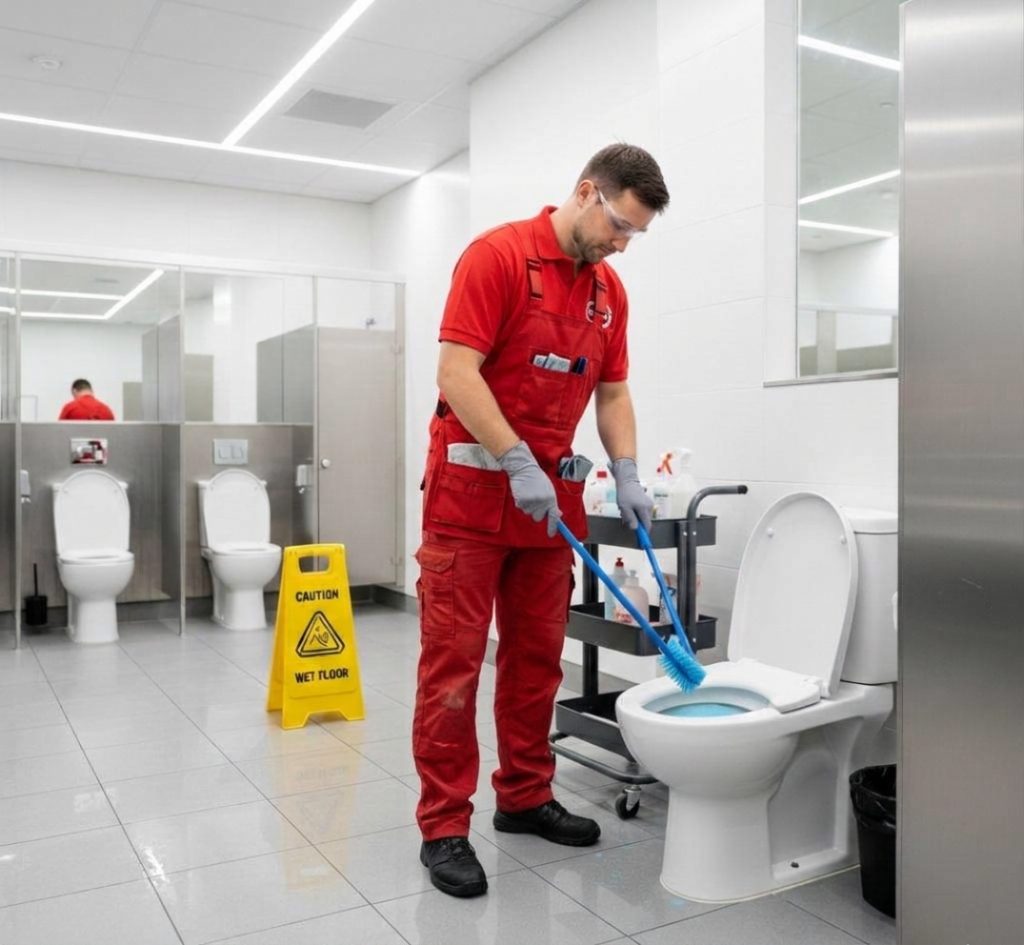
This does not mean members of the public should take over the responsibilities of cleaning staff. Professional cleaners play an essential role in maintaining sanitary facilities, particularly in busy public places where toilets are used by hundreds of people.
Their work involves more than wiping surfaces or mopping floors. It requires regular cleaning, appropriate cleaning products, proper waste disposal and attention to hygiene.
However, their presence should never be taken as an invitation for users to behave carelessly.
Flushing after use, putting rubbish into the appropriate bins, avoiding unnecessary mess and reporting faulty facilities are small ways of helping to maintain a cleaner environment.
It is also worth remembering that cleaners are people doing their jobs, not individuals who should be expected to deal with preventable mess simply because someone else cannot be bothered to clean up after themselves.
A responsibility that stays with us
Over time, we may have become accustomed to seeing cleaners take care of the mess, whether at school, shopping centres or public facilities. However, having someone responsible for cleaning does not give us permission to be careless.
Looking back, the cleaning duties we once carried out during our schooldays may have been simple chores, but they taught us something that remains relevant today: taking responsibility for the spaces we share.
We cannot always control how clean a public toilet is when we enter it, but we can control the condition in which we leave it.
So, the next time we walk out of a toilet, perhaps we should ask ourselves one simple question: would we be happy if the next person left it the way we did?
After all, keeping a toilet clean is not just about having someone to clean up after us. It is about making sure there is less mess for them – and the next person – to deal with.