KUCHING: A total of 160 students from the Batu Kawah constituency (N14) who sat for the Sijil Pelajaran Malaysia (SPM) examination were presented with incentives and certificates of achievement in a ceremony held at the Hong Ching Ho Multi-Purpose Hall along Batu Kawa Road.
The recipients, all residents of the Batu Kawah area, obtained a minimum of 5As in the national public examination. They hail from SMK Batu Kawa, SMK Jalan Arang, and several other schools.
This year’s figure marks a notable rise from the 117 students recognised last year, underscoring an upward trend in academic performance within the constituency.
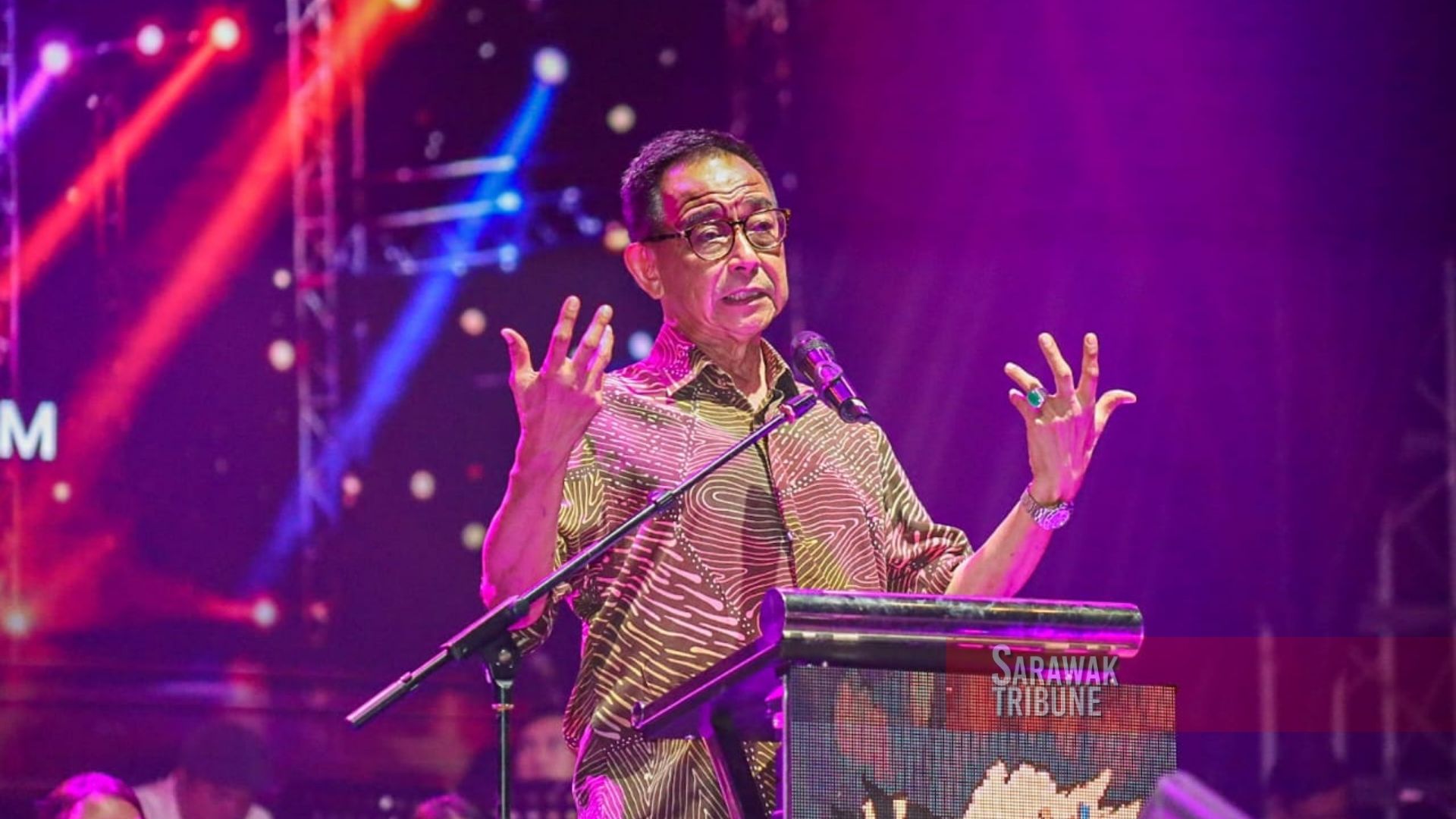
The ceremony was officiated by Batu Kawah assemblyman Datuk Amar Dr Sim Kui Hian. Also present was Batu Kitang assemblyman Datuk Lo Khere Chiang.
In his address, the Deputy Premier extended his congratulations to parents and teachers, crediting their dedication as central to the students’ success and to Sarawak’s broader development goals.
“We look ahead to 2030, when Sarawak will be vastly different from what it is in 2025.
“The Post-COVID-19 Development Strategy 2030 is not only about achieving targets quickly, but also about sustaining these outcomes,” he said.
Dr Sim noted that Premier Datuk Patinggi Tan Sri Abang Johari Tun Openg has committed a substantial portion of the state’s annual revenue to the education sector, identifying talent development as a cornerstone of Sarawak’s future.
He urged the younger generation to grow into discerning and independent thinkers, capable of driving the state’s continued progress while resisting misinformation. He also called on students to maintain their ties to their home state regardless of where their paths may lead.
“No matter where you go in the future, always remember that Sarawak is your home, and that you have a role to contribute to its progress,” he said.
Dr Sim further highlighted the state government’s ongoing commitment to student welfare, pointing to a range of incentives and benefits available to Sarawak students, including free education at five universities under the state government.