KUCHING: The agricommodity sector recorded a total trade value of RM268.1bil while the trade balance recorded about RM146.5bil in 2022.
Federal Minister of Plantation and Commodities (KPK) Datuk Seri Fadillah Yusof also pointed out that the export income of agricommodity products was about RM207.3bil or 13.4 per cent of the country’s total export income.
“Although there is a slight decrease (1.1 per cent) compared to the previous year, it still places high confidence that this trade performance will remain positive for 2023.
“In terms of Gross Domestic Product (GDP) contribution, for the period from January to September 2022, this sector has contributed to the GDP of RM61.3bil, which is 5.5 per cent of the entire National GDP.
“This is a very significant amount, at the same time placing the KPK as a very important component in the long-term economic empowerment of the country,” he was quoted as saying in a Sarawak Public Communications Unit (UKAS) report.
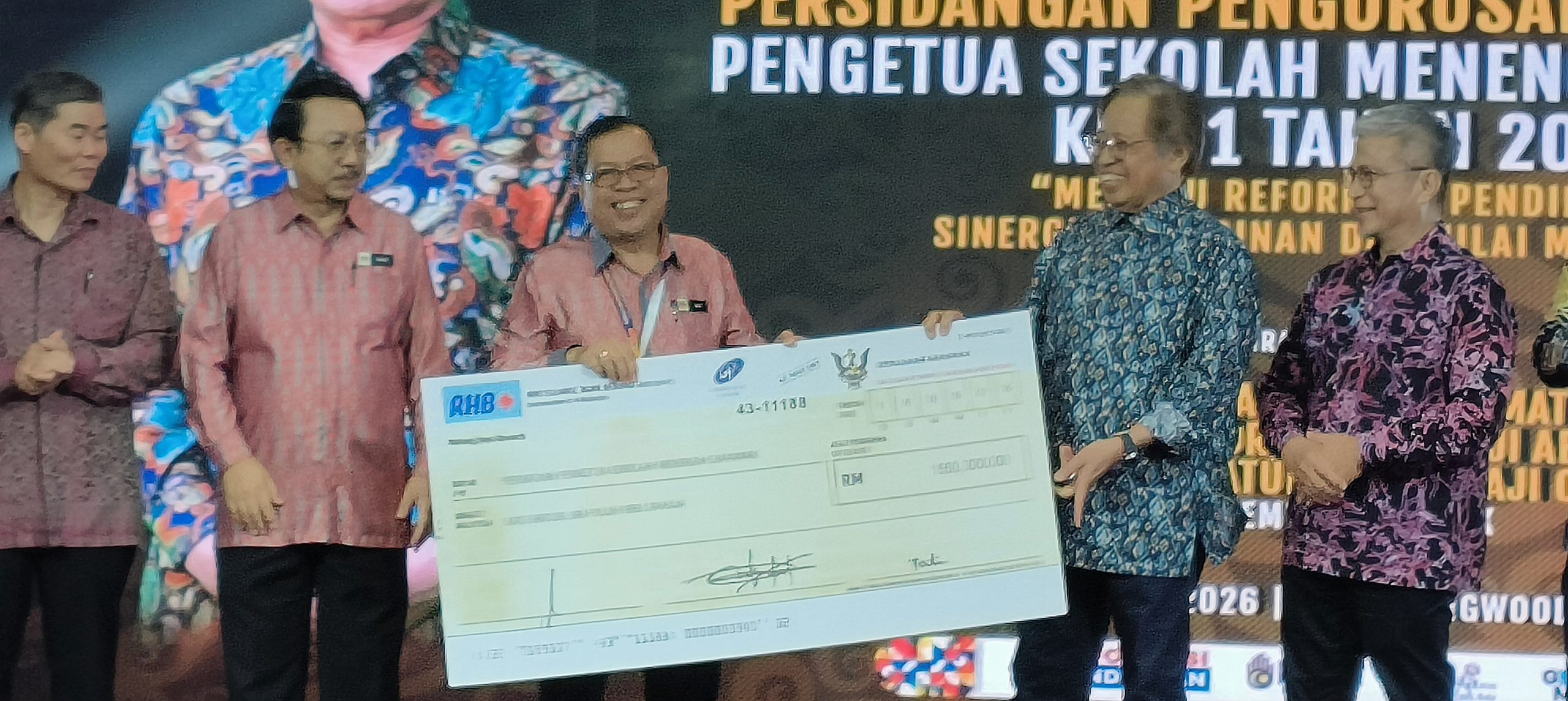
The Deputy Prime Minister was speaking at the New Year Mandate Ceremony held at KPK Multipuporse Hall, on Thursday (Jan 26).
He further explained that in 2022, the agricommodity sector was one of the earliest sectors that had been allowed to operate fully to re-stimulate the country’s economic growth.
“Apart from direct trade results, the contribution of this sector included providing jobs to nearly 431,000 workers.
“This number does not include private and organised smallholders who are estimated to be around 728,000 people.”
In order to ensure that the agricommodity sector is implemented sustainably and meet the sustainability demands of the import and consumer markets, he said the KPK had implemented a sustainability certification system for the palm and timber sectors.
“For Malaysian Sustainable Palm Oil (MSPO) certification, 98 per cent of MSPO certifications have been issued until December 2022.
“While for the Malaysian Timber Certification Scheme (MTCS), 37 Forest Management Unit (FMU) certifications have been issued with a total area of 5.80 million hectares.
“This achievement is very good and something to be proud of.”
He added that the ministry was instructed to prepare Key Performance Indicators (KPI) for the short term (100 days).
Among them, he said, was to strengthen the export value of the agricommodity sector with a target of RM35bil; improve the wellbeing of the people in the agricommodity sector with a target of 55,000 tonnes of fresh fruit bunches sales by palm oil smallholders through the Sustainable Palm Growers Cooperative (KPSM) and 2,000 skilled workers in the agricommodity sector and increasing the access of the local agricommodity market to the international level.