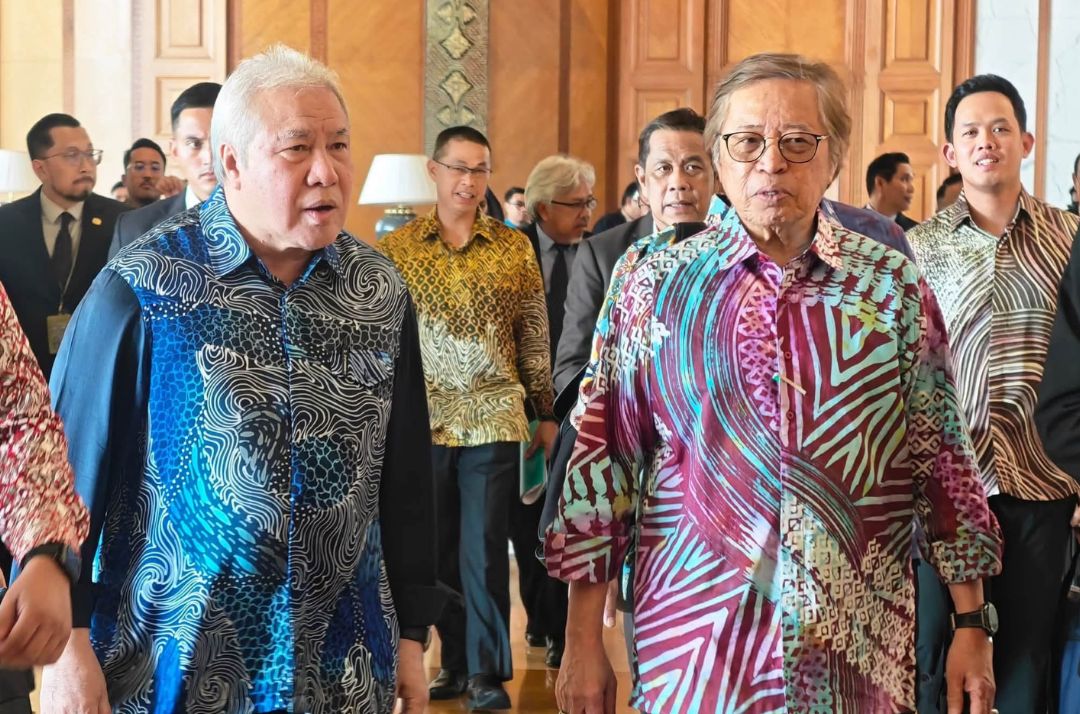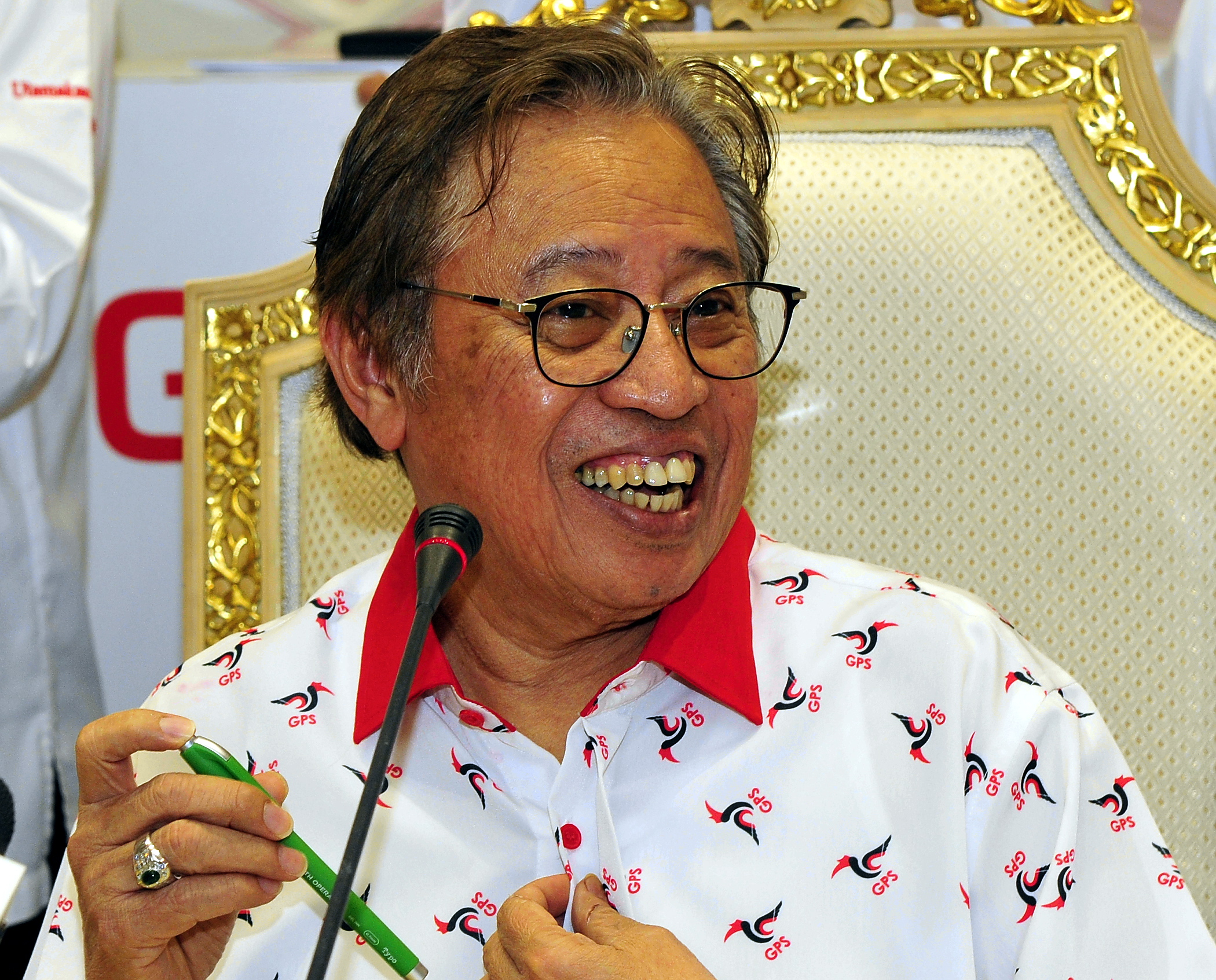
KUCHING: Premier Datuk Patinggi Tan Sri Abang Johari Tun Openg reiterated the ongoing efforts of the Gabungan Parti Sarawak (GPS) government to engage in negotiations with the federal government to reclaim all eroded rights in Sarawak.
Under the leadership of GPS, he emphasized that the economic transformation of Sarawak relies not on luck, but on meticulous planning and forward-thinking strategies outlined in the Post-COVID Development Strategy 2030 (PCDS 2030).
“PCDS 2030 is founded on three fundamental pillars: economic prosperity, social inclusivity, and environmental sustainability,” he highlighted in his Gawai Dayak message.
Abang Johari emphasized that the power vested in the Sarawak government by the federal government is not a matter of chance but is firmly rooted in specific provisions of the Federal Constitution, the Malaysia Agreement 1963 (MA63), and the Inter-Government Committee (IGC) Reports, which serve as the foundation for Malaysia’s establishment.
“The recent devolution of powers to Sarawak, including the transfer of the Deep Sea Port and gas distribution, constitutes the erosion of powers that must be returned to Sarawak,” he further added.
Reflecting on the traditional agrarian lifestyle of the Dayak community, Abang Johari acknowledged the transition from subsistence farming to modern agricultural practices that rely on technology and machinery, particularly in rice cultivation, which plays a crucial role in sustaining livelihoods in Sarawak.
To enhance rice production, he revealed that he has requested the Universiti Putra Malaysia (UPM) Bintulu branch to carry out research in Gedong and Lubuk Punggur, Simunjan.
The objective of this research, he explained, is to increase rice yields through the utilization of high-quality hybrid seeds and innovative methods.
“Preliminary findings from the study indicate a significant increase in rice output, with one hectare of land now capable of producing eight tonnes of rice per season, compared to the previous yield of only one tonne. Additionally, with the new methods, farmers can cultivate five seasons within 24 months,” he shared.
“Efforts are also underway to develop sufficient quantities of hybrid seeds to fulfil the rice-growing needs across Sarawak,” he assured.