THE Sarawak Biodiversity Centre (Amendment) Bill 2025 is a timely and necessary reform aimed at strengthening the legal framework governing the Sarawak Biodiversity Centre (SBC), especially in licensing, research, intellectual property (IP) ownership, and commercialisation.
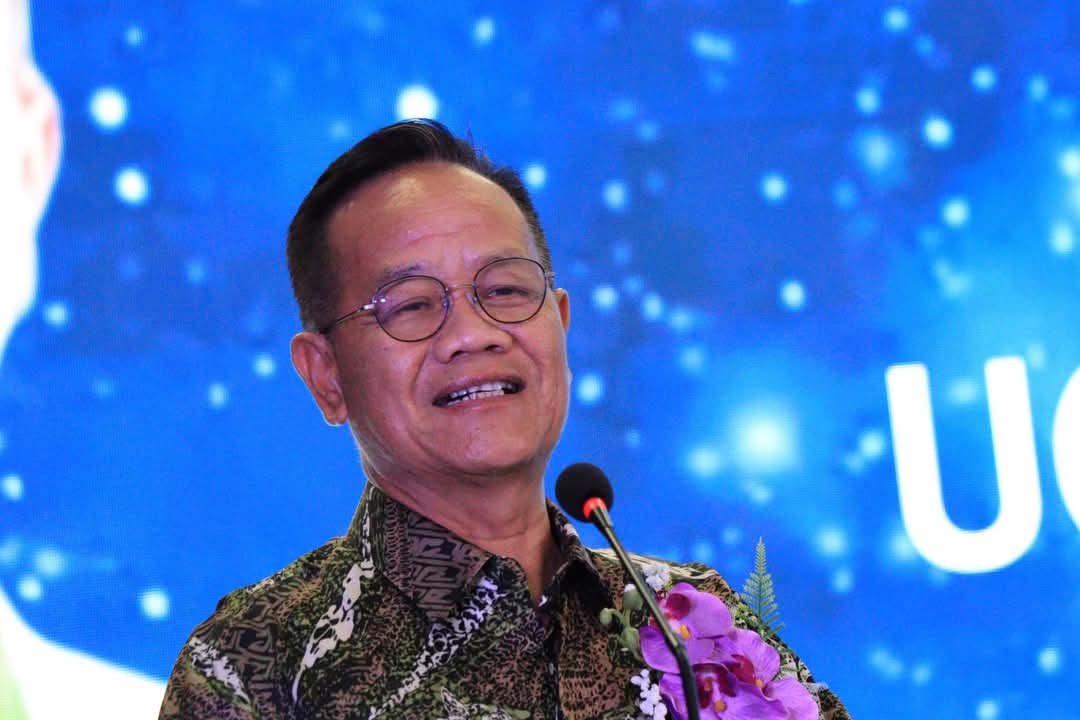
Kota Sentosa assemblyman Wilfred Yap Yau Sin said by advancing research and development, reinforcing IP ownership, and streamlining licensing and commercialization, SBC will be better positioned to unlock the economic value of these resources.
“This not only ensures that benefits are retained within Sarawak, but also reduces reliance on foreign companies.
“Moreover, it empowers local scientists and entrepreneurs to generate homegrown innovations, helping to prevent the exploitation of our biodiversity by external interests,” he said.
He said this when debating the bill at the Sarawak Legislative Assembly (DUN) sitting here today (May 20).
“The amendments are comprehensive, providing greater clarity on SBC’s roles, particularly in relation to IP control and licensing authority.
“With improved mechanisms for patenting and licensing, SBC will be able to ensure that revenue generated from discoveries flows back to Sarawak and supports local development,” he added.
On another note, Yap said through the establishment of a corporate entity, SBC can collaborate more effectively with private sector partners, investors, and international stakeholders.
“It opens up avenues for joint ventures and funding opportunities while ensuring that Sarawak maintains control over its biological assets.
“Operating through a company also grants SBC legal and operational autonomy, enabling it to enter into contracts, manage IP rights, and independently handle revenues,” he added.
He said by empowering SBC in the areas of research, IP ownership, licensing, and commercialisation, the Bill ensures that the benefits of our natural heritage are channelled back to our people.
“It bridges the gap between scientific innovation and commercial value, aligning with the goals of the Post-COVID-19 Development Strategy 2030 (PCDS 2030),” he said.