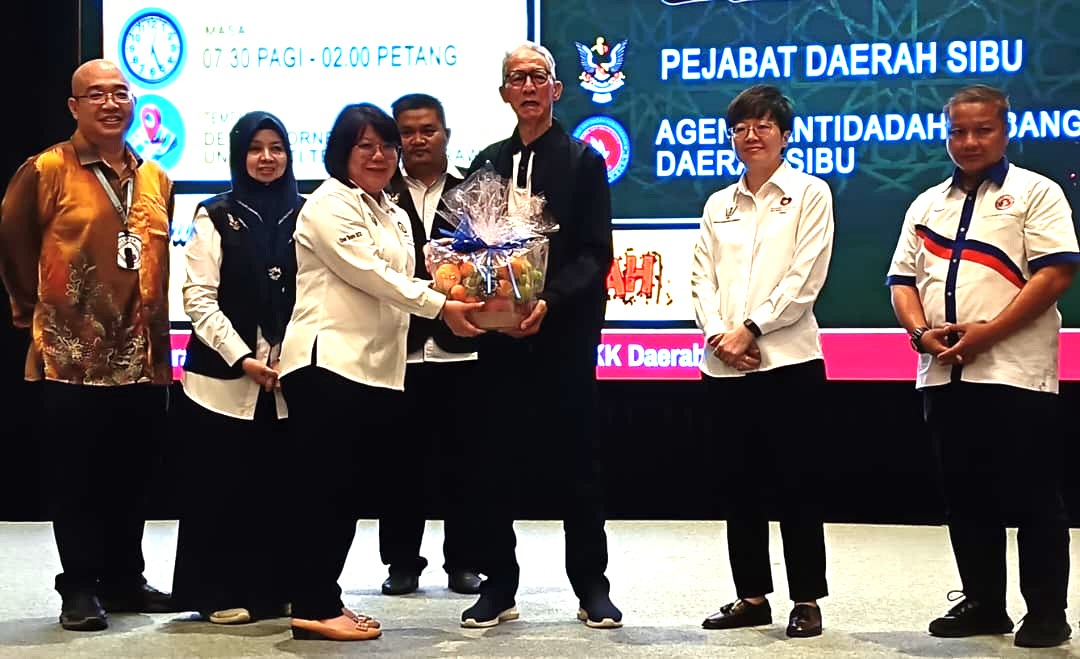
KUCHING: Universiti Malaysia Sarawak (UNIMAS) is breathing new life into Sarawak’s forgotten narratives with the organisation of its Third-Year Arts Management Seminar titled ‘Asal Usul Astana dalam Masyarakat Dahulu’ (The Origins of Astana in Past Society), at the Islamic Information Centre (IIC) here on Wednesday.
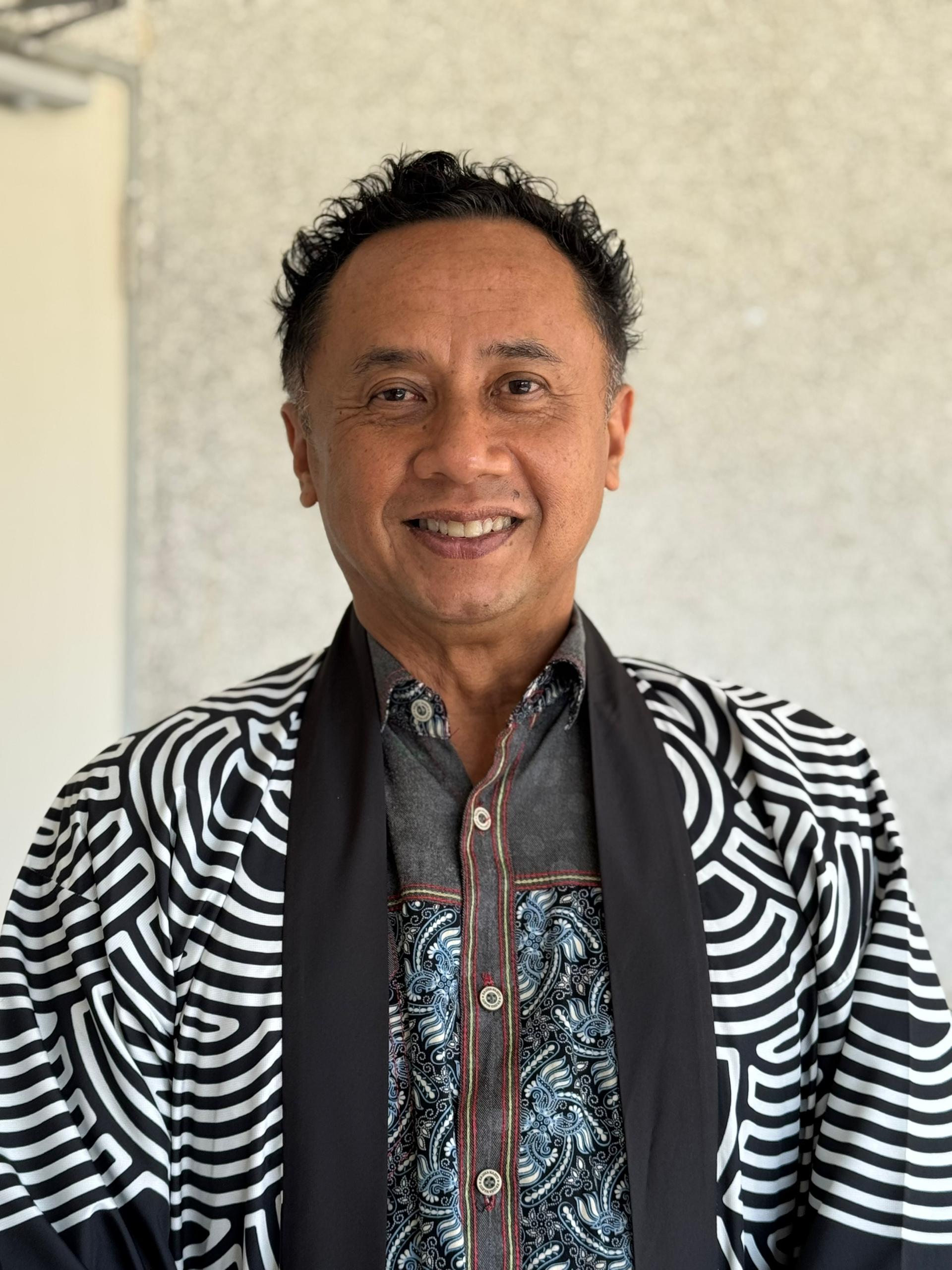
Hosted by the Faculty of Applied and Creative Arts (FSGK), the seminar featured renowned historian, Datuk Dr Sanib Said, as the invited panellist.
Organised by students of the GKP3253 Arts Management Seminar (Group 2), the event drew participation from both students and members of the public, sparking meaningful discussions around heritage, identity, and the role of cultural stewardship.
The programme was led by Programme Director, Nurul Fatihah Naziah Zainal, and supported by eight student executives, who managed logistics, finance, media, and protocol.
“This seminar bridges academic theory with real-world arts management, empowering students to lead Malaysia’s creative future,” said Nurul Fatihah.
But beyond structured presentations and formalities, the event uncovered a more profound yearning to rediscover what has been lost to time.
Shaik Azahar Shaik Hussain, the Programme Adviser, shared that the initiative was more than a routine academic exercise.
It was a call to action to reconstruct the undocumented past of the Astana, especially the period before the Brooke administration.
“We have many documents about the Astana after the Brookes, but very little on what came before. We don’t know what the original structure looked like, where it was exactly, or how large it was.
“It’s these gaps in history that we’re trying to fill,” he said.
He noted that even with documents and resources at institutions like the State Library, much remains elusive.
Shaik Azahar expressed hope to extend research to Brunei, recognising the loss of records due to colonial destruction, a fate shared by many former colonies like India.
“We don’t yet have the identity to confidently say, ‘This is Sarawak, this is who we are’. And that’s why this journey is important,” he added.
The seminar, according to Shaik Azahar, has evolved into a platform not only for academic exchange but also for community engagement.
Elders from the local community attended and expressed interest in sharing oral histories, which could be vital in reconstructing the undocumented layers of Sarawak’s past.
“Sometimes, it’s these community members, not even the panelists, who carry more information. We plan to form a dedicated group to keep the conversation going,” he said.
He expressed the hope that future seminars could be held more frequently, possibly on a monthly or quarterly basis, rather than annually, and include stories from all ethnic groups, including the Iban and Orang Ulu, to reflect Sarawak’s multicultural fabric.
The idea of engaging younger audiences through storytelling mediums, such as comics, animation, or film, was also floated.
“We’re also gathering names and contacts of community members willing to contribute. The idea is to build a sustainable network for continuous historical exploration.
“By delving into the historical significance of Astana in today’s session, we gain a deeper appreciation for the cultural foundations of society,” he concluded.