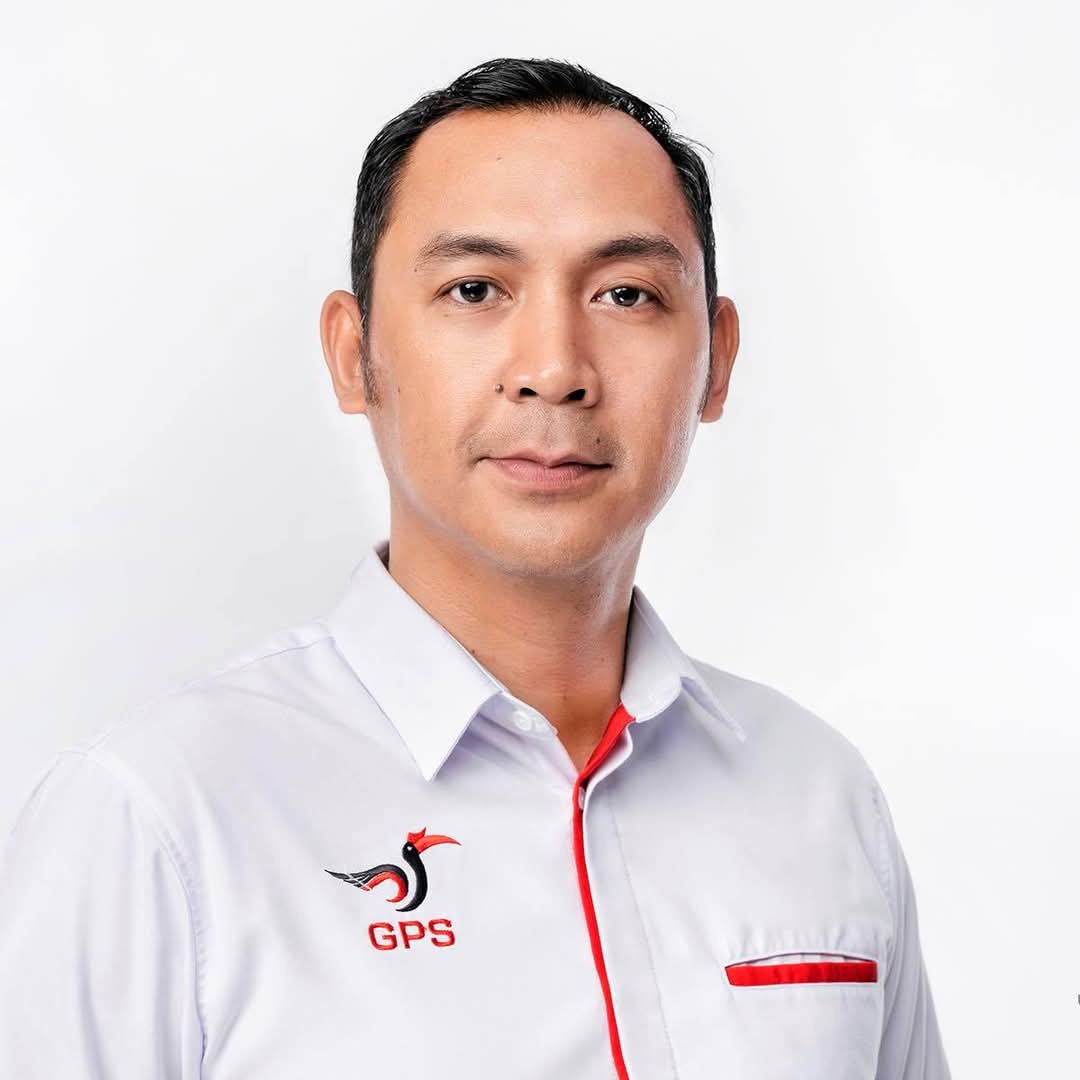
KUCHING: Chief Political Secretary to the Premier, Datuk Fazzrudin Abdul Rahman, has dismissed a recent article linking PETROS to Sarawak Cable’s financial losses, calling the analogy “overly simplistic” and unfair to Sarawakians.
He was referring to the article titled ‘Loss-making Sarawak Cable is a warning to Sarawak Premier, and can PETROS survive on its own?’ published recently, saying it created a misleading perception of Sarawakians’ capability and professionalism.
“It sounded so professional when it included an analyst’s estimation. Nang bagei sik pande papa lah urang Sarawak di mata penulis dan analyst ya (it seems as if Sarawakians don’t know anything and aren’t capable in the eyes of the writer and the analyst),” he said in his Facebook post, stressing that the comparison between Sarawak Cable and PETROS was both inaccurate and condescending.
Fazzrudin said Sarawak Cable was involved in the cable manufacturing and infrastructure sector, whereas PETROS operates in the oil and gas industry – a completely different domain with different risks, structures and performance indicators.
“To be fair to PETROS, its performance should be evaluated empirically,” he said, noting that PETROS has grown to become the third largest oil and gas producer in Malaysia, proving that state-level control over resources is more than symbolic.
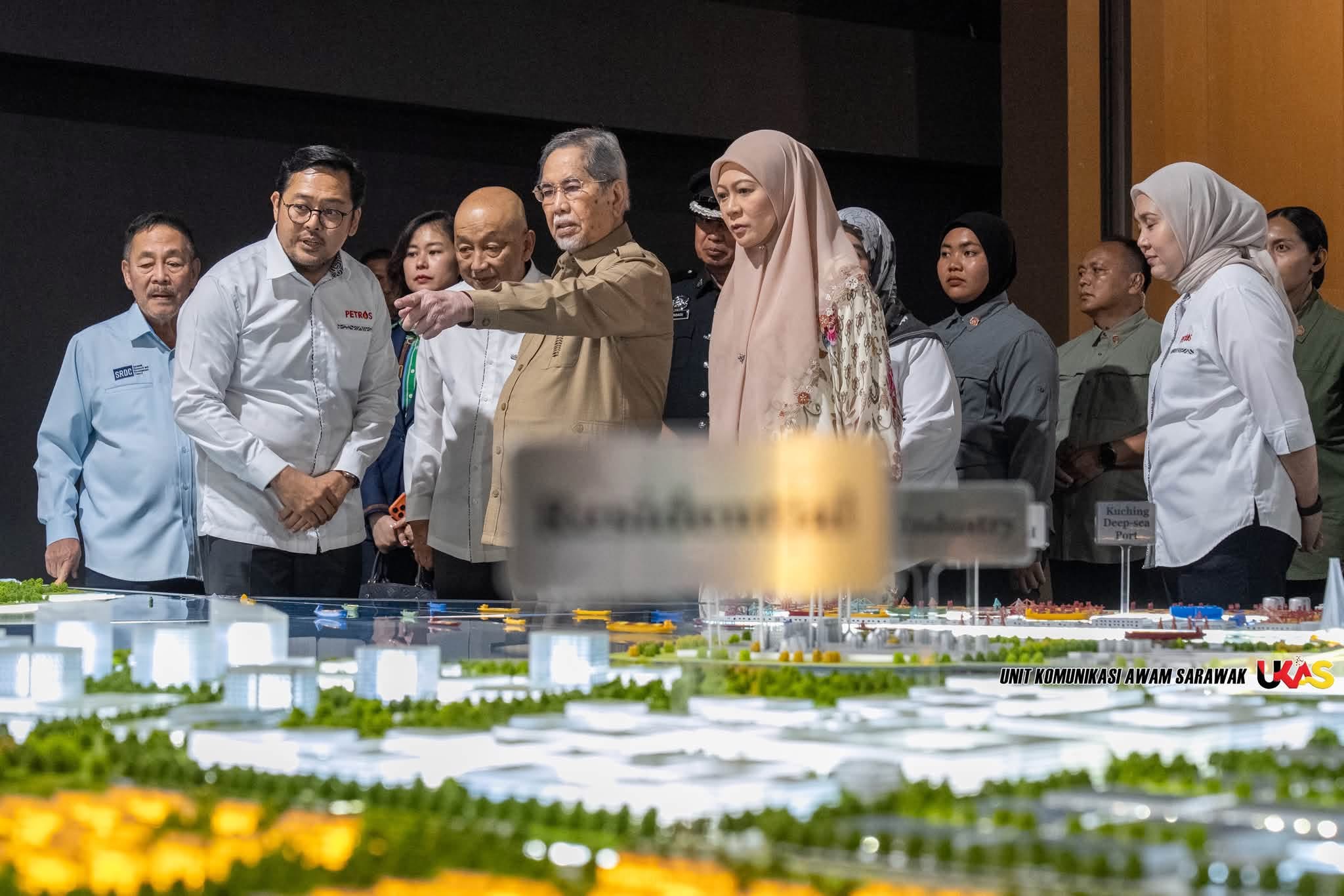
He said PETROS has also made significant progress in Sarawak’s green economy ambitions, including the development of the Kuching Low-Carbon (Gas Hub), a state of the art low-carbon industrial park.
“They are also expanding their portfolio into carbon capture, utilisation and storage (CCUS),” he said.
According to Fazzrudin, PETROS’ infrastructure rollout is already improving people’s livelihoods.
“PETROS recently delivered piped natural gas to households in Sungai Plan, Bintulu, and is expected to supply up to 3,500 households,” he added.
Fazzrudin said the global community’s recognition of Sarawak’s green transition, driven by the Premier Datuk Patinggi Tan Sri Abang Johari Tun Openg and supported by PETROS, indicates rising external confidence in the state’s strategic direction.
He also reiterated PETROS’ previous explanation regarding the Miri Combined Cycle Gas Turbine (CCGT) project, clarifying that each phase involves structured participation from local companies and Sarawakians, including a requirement for 22 per cent Sarawakian workforce during the Engineering, Procurement, Construction, and Commissioning (EPCC) stage.
““Stage 3 – utilities will be carried out by a 100 per cent local company, Stage 4 – pipeline will also be 100 per cent local, and once completed, the plant will be operated by a 100 per cent local workforce. Currently, we are in Stage 2,” he said.
Fazzrudin emphasised that constructive critique is welcome but must be balanced with recognition of Sarawak’s progress since Abang Johari took office in 2017.
“Sarawak has experienced significant development, success and world recognition under the Premier’s leadership,” he said.