KUCHING: The Health Ministry and Public Service Department face pressure to review cuts to Regional Incentive Payment (BIW) allowances amid warnings of worsening doctor shortages in Sabah and Sarawak.
BIW is made to Public Service officers who relocate to a different region.
Medical leaders warn the decision could undermine efforts to attract and retain healthcare workers in East Malaysia, where staffing shortages already strain hospitals.
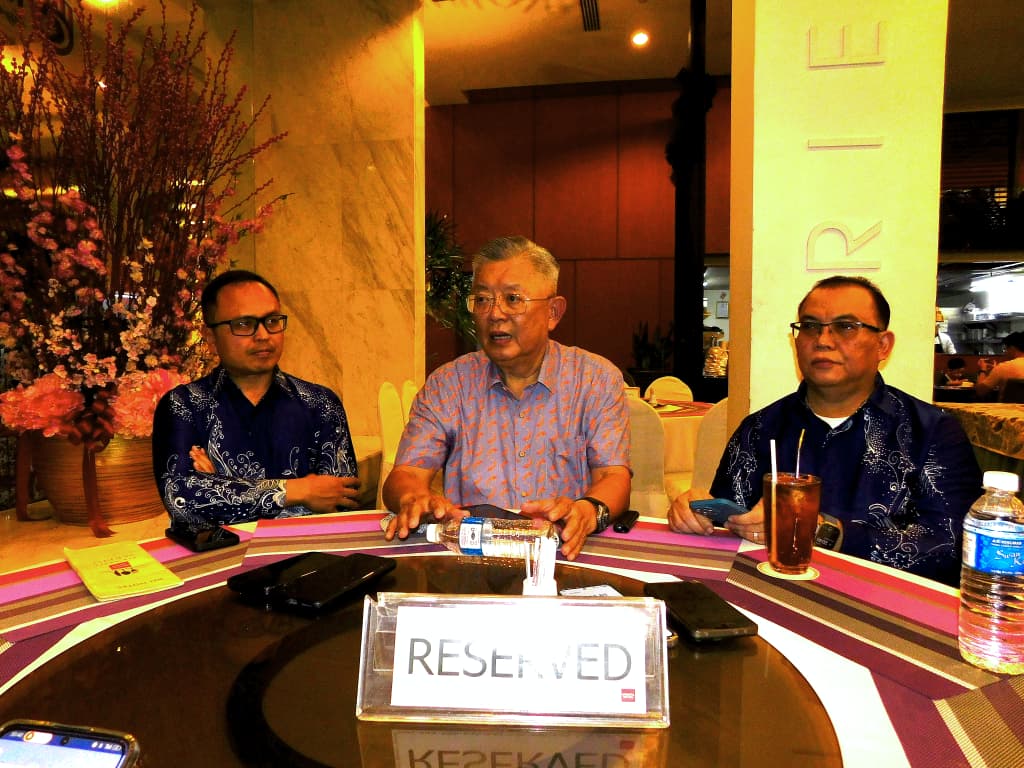
“Such steep cuts will aggravate a dire shortage of medical professionals in Sabah and Sarawak, jeopardising patient care,” said Bandar Kuching Member of Parliament, Dr Kelvin Yii, in a press statement on Friday.
He urged authorities to reinstate the previous BIW framework based on salary percentages for doctors, nurses and pharmacists posted to Sabah, Sarawak and Labuan.
Dr Yii said even under the earlier allowance system, Malaysia struggled to attract and retain sufficient medical professionals to meet regional healthcare demands.
He warned further reductions would worsen existing shortages, placing additional pressure on overstretched hospitals, clinics and frontline staff across Sabah and Sarawak.
“This year alone, Sarawak recorded 43 per cent medical officer no-shows for permanent postings, highlighting the severity of recruitment challenges faced statewide.
“Sarawak’s doctor-to-population ratio stands at approximately one to 510, translating to about 1.96 doctors per 1,000 residents currently statewide today.
“Nationally, Malaysia averages roughly one doctor to 406 people, or about 2.46 doctors per 1,000 population nationwide, overall today,” he added.
He said that these figures showed Sarawak had around 21 per cent fewer doctors per capita compared with the national average, widening healthcare inequality.
“To reach the national benchmark, Sarawak would require hundreds more doctors, particularly specialists, to adequately serve its geographically dispersed population.
Dr Kelvin warned the allowance cuts would not help recruitment, instead risking a “code blue” situation for medical manpower in the region.
He called on the Health Ministry and Public Service Department to urgently reconsider the policy in the interest of patients and healthcare workers.
Without stronger incentives, he cautioned Sabah and Sarawak could face declining healthcare quality, longer waiting times and increased strain on remaining staff.