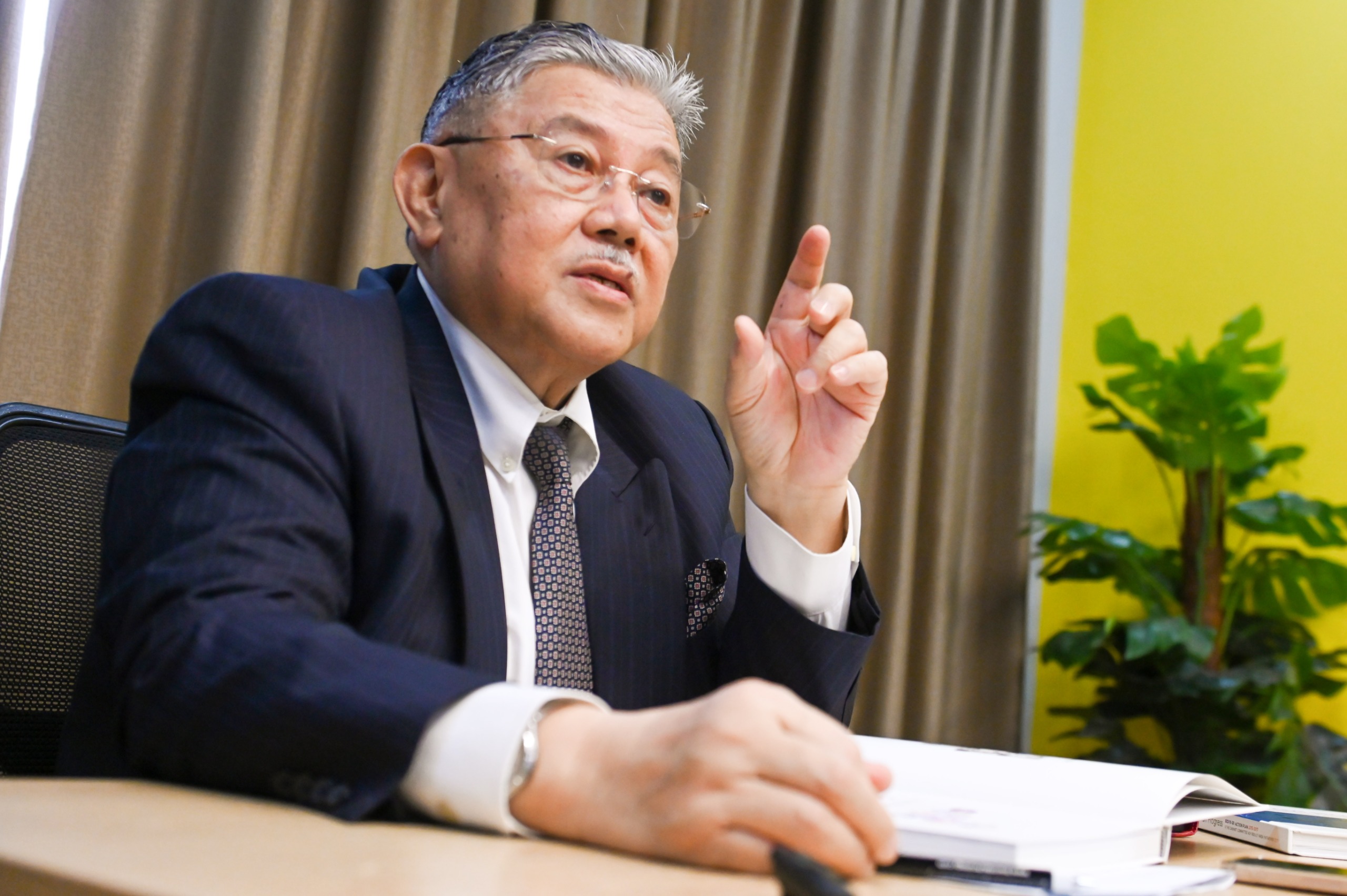
KUCHING: The new Leadership Institute of Sarawak Civil Service (LISCS) was conceived as more than just a physical structure, with former state secretary, Tan Sri Datuk Amar Mohamad Morshidi Abdul Ghani, describing it as a permanent home for building the capacity, competency and future leadership of the Sarawak Civil Service.
Morshidi said the idea grew out of a simple but important question, like why a permanent institution like the Civil Service did not have a permanent place of its own for training and development.
“Civil Service is there to stay. But why don’t we have a house, a permanent house? A proper house,” he added.
He recalled that training facilities for the Civil Service had moved from Simpang Tiga to other locations before plans were initiated around 2014 or 2015 to establish a dedicated site.
“So I told myself, we should have one,” he said.
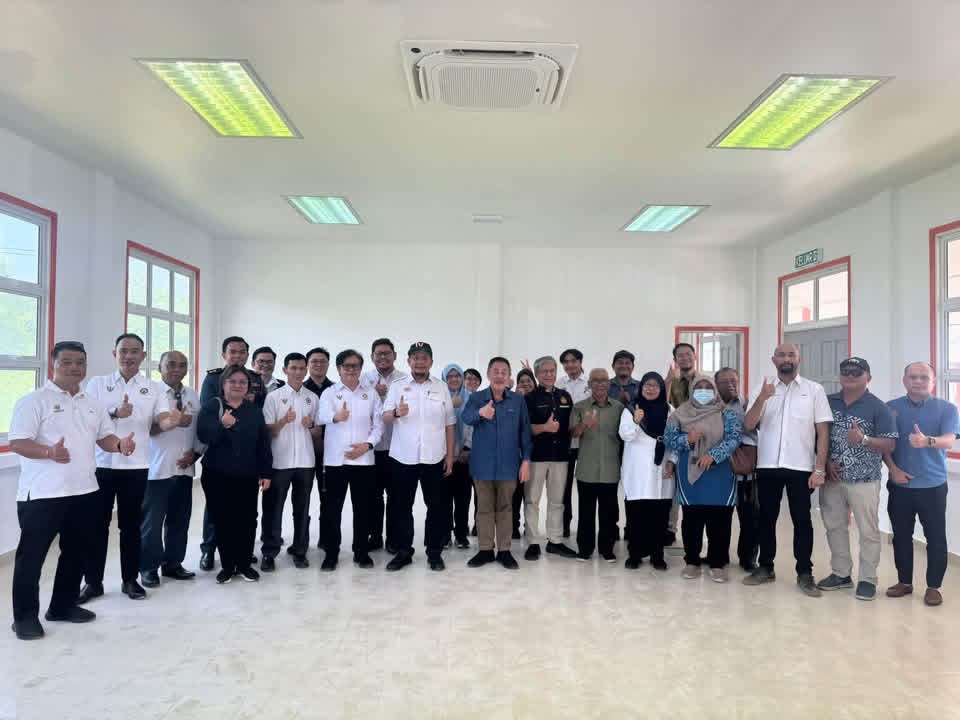
The government later approved land for the institute, which is now nearing completion.
He said the institute was always intended to go beyond bricks and mortar, serving instead as a purpose-built environment for learning, reflection and leadership formation.
“The purpose behind it is more than just a physical building,” he stressed.
He added that the institute’s design was shaped by his exposure to learning environments elsewhere, including Harvard, and was intended to create a space where officers would feel encouraged to learn.
“I want people to go there because they feel good about the place. I want to relate it to good learning,” he reiterated.
Among the features he highlighted were the water element, river-facing spaces, and open areas that could support both formal and informal interaction.
“There is a water body. I want to make them feel good when they train. You sit down, you see water,” Morshidi said.
He added that the institute should also serve as a site of institutional memory, recording the history of the Sarawak Civil Service and the contributions of past state secretaries.
“It should become history. It should be put on record at that place about the history of the Civil Service,” he shared.
Morshidi said he was proud to see the project being carried through by the present leadership, describing the building as an important foundation for long-term Civil Service development.
“I’m proud that it is happening. I’m proud that we have an institute. I’m proud that we have a building,” he concluded.