KUCHING: A delay in implementing the carbon tax may ease near-term pressures but could weaken Malaysia’s long-term competitiveness.
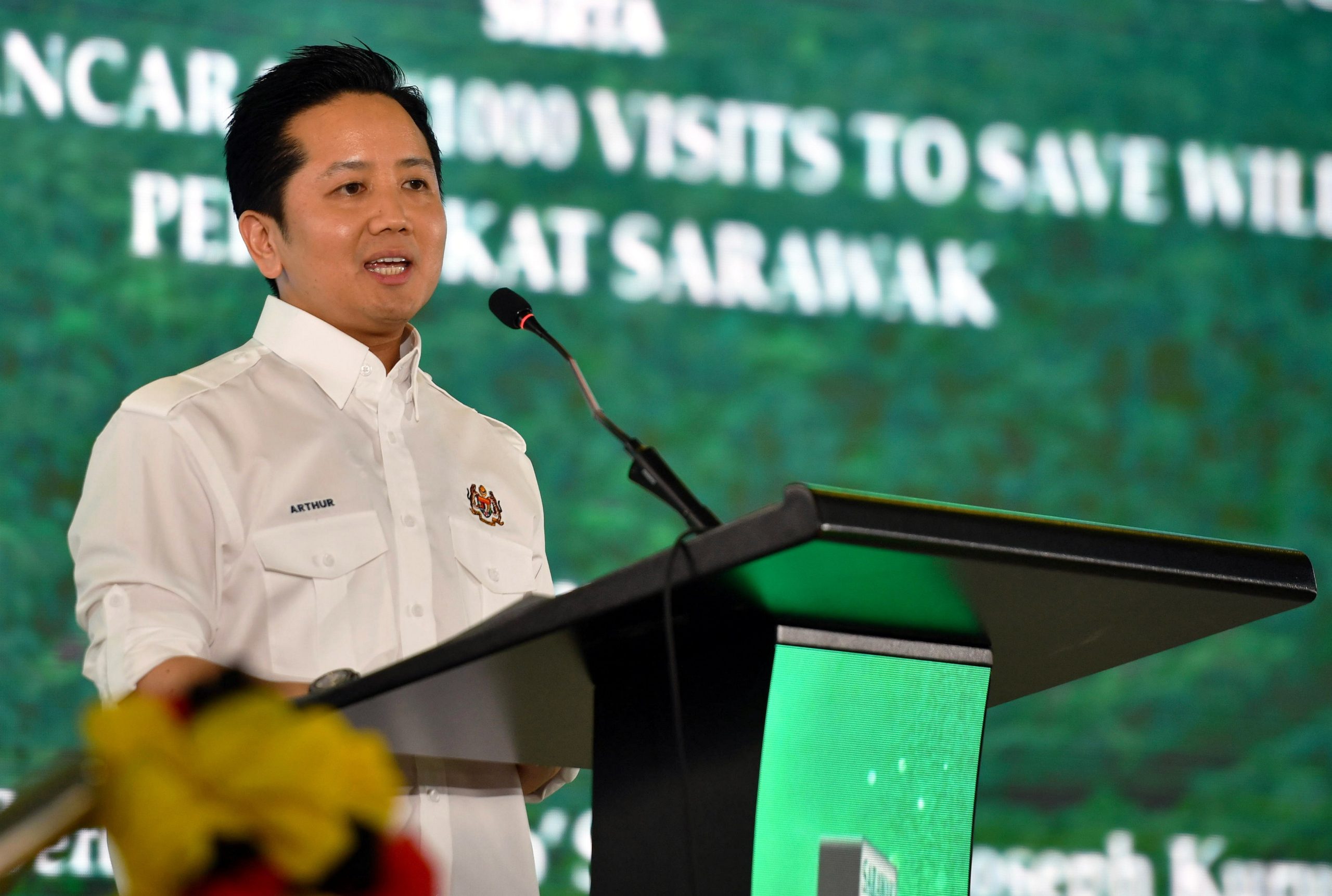
Natural Resources and Environmental Sustainability Minister, Datuk Seri Arthur Joseph Kurup, recently said the government is reassessing the implementation timeline due to geopolitical uncertainties, including the ongoing conflict in the Middle East, which has driven up global energy prices.
Economic analyst at PUTRA Business School, Associate Professor Dr Ida Md Yasin, said postponing the carbon tax is unlikely to directly affect Malaysia’s gross domestic product (GDP), as the policy is aimed at reducing reliance on fossil fuels rather than generating immediate economic growth.
“Carbon tax is meant to discourage continued use of diesel, oil and gas, and to push the country towards renewable energy. It is not designed to directly influence GDP growth,” she said.
However, she noted that the delay reflects current economic realities, particularly rising fuel costs that have increased the burden on businesses.
“At this point, companies are facing higher operational costs due to fuel price hikes.
“The government’s decision to delay is more about stabilising the situation rather than reversing policy direction,” she added, stressing that the long-term goal of transitioning to renewable energy remains unchanged.
Meanwhile, economic analyst at i-CATS University College, Associate Professor Dr Abu Sofian Yaacob highlighted a clearer economic trade-off.
He said delaying the carbon tax could offer short-term relief to industries but may pose longer-term structural risks.
“In the short term, postponement reduces cost pressures on sectors such as energy, steel and manufacturing.
“This helps avoid price increases, supports profit margins and stabilises output, which can be mildly positive for GDP,” he explained.
He described the carbon tax as a “cost-push shock”, adding that delaying it helps prevent inflationary pressure and output contraction in the near term.
However, Abu Sofian cautioned that repeated delays could undermine Malaysia’s long-term competitiveness.
“In the long run, carbon tax acts as a catalyst for green innovation and investment in clean technologies.
“Postponement may slow structural transformation and reduce Malaysia’s competitiveness, especially if trading partners move ahead with carbon pricing,” he said.
On whether the delay is justified, Abu Sofian said the move could be viewed as a counter-cyclical measure to shield the economy during external shocks. However, he warned that inconsistent policies may create uncertainty.
“If it becomes a recurring delay without a clear roadmap, Malaysia risks being seen as lacking policy certainty,” he said.
The delay also raises concerns over investor confidence, particularly in the green and sustainable sectors.
Abu Sofian noted that carbon pricing sends an important signal to investors.
“Green investors depend on policy certainty and clear carbon pricing signals. A delay suggests that climate policy is not yet stable, which may reduce confidence and affect expected returns on green projects,” he said.
However, he added that conventional investors may view the move more favourably, as it keeps operational costs lower and reduces regulatory risks in the short term.
Meanwhile, Ida said investors are likely to understand the current global context, citing supply constraints and rising oil prices driven by geopolitical tensions.
“Given the uncertainties, investors are aware of the situation. At the same time, this could be the best moment to accelerate the shift towards green investments,” she said.
Both economists cautioned that delaying the carbon tax without complementary measures could slow Malaysia’s progress towards its net-zero emissions target by 2050.
“Without carbon pricing, the incentive to reduce emissions weakens and industries may continue relying on fossil fuels,” Abu Sofian said, warning that this could affect Malaysia’s standing in ESG and carbon markets.
Ida added that while momentum may ease, the situation could also serve as an opportunity to raise public awareness about the urgency of transitioning to renewable energy, especially amid high fuel prices.
On policy options, both economists suggested that a full delay may not be the most effective approach.
Abu Sofian proposed a phased implementation with a lower initial tax rate, combined with green incentives, to balance economic stability with climate goals.
“This approach reduces cost shocks, allows industries time to adapt and maintains policy credibility, while still signalling a long-term commitment to carbon reduction,” he said.
Ida also supported a gradual rollout, noting that high fuel prices already provide a natural push for businesses to shift towards cleaner energy sources.