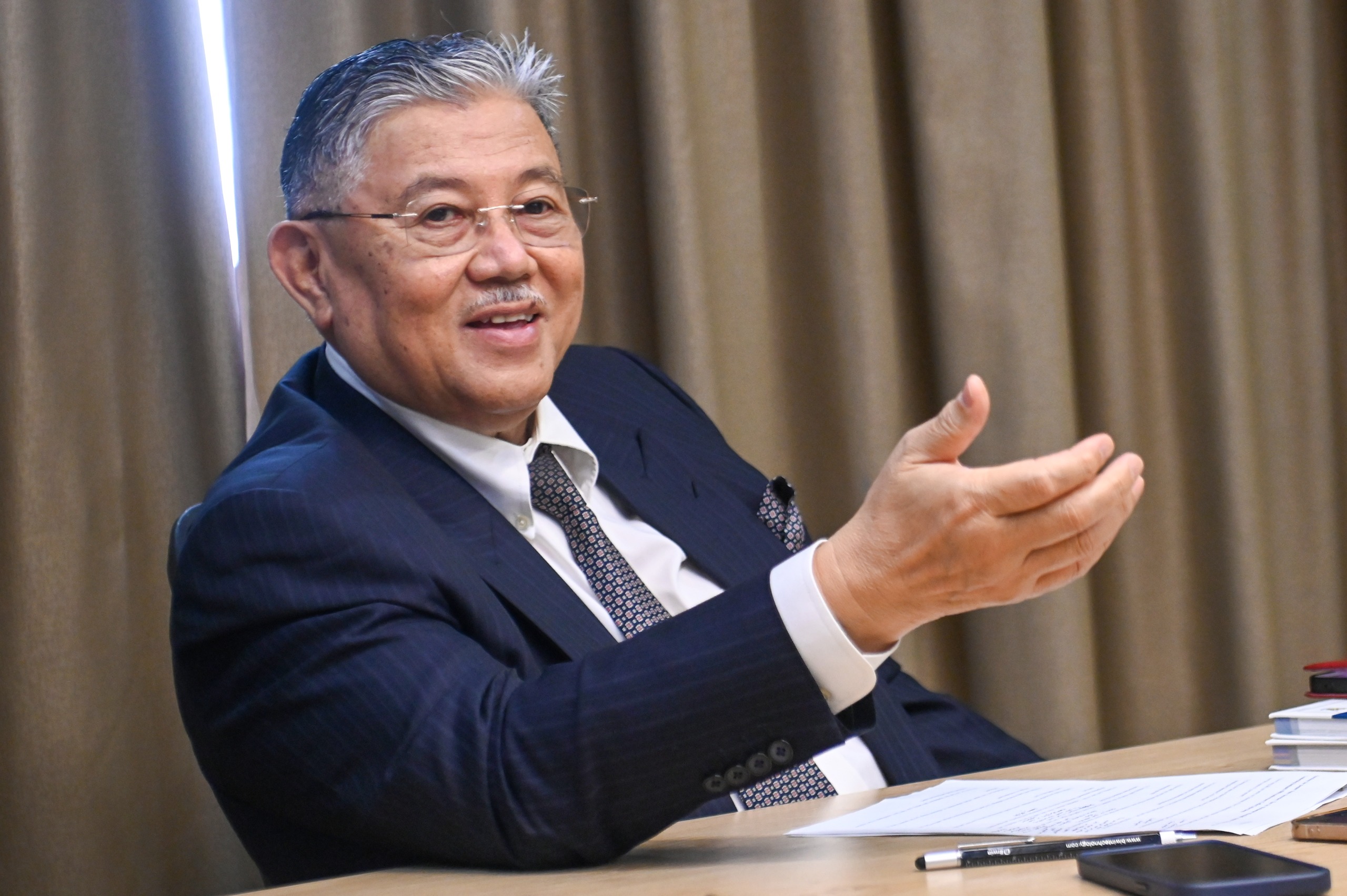
KUCHING: Sarawak’s civil service transformation began with a conscious decision to move beyond the status quo, with former State Secretary, Tan Sri Datuk Amar Mohamad Morshidi Abdul Ghani, saying leadership must be anchored on purpose, courage and the will to make a difference.
Morshidi said that when he assumed office in 2009, his priority was clear: to ensure the civil service could deliver efficient and excellent service to the rakyat.
“I need to make sure civil service can deliver. I need to give excellent and efficient service to the rakyat,” he said during an interview with Sarawak Tribune.
He said the push for reform was never about preserving position or playing safe, but about changing systems that had long remained untouched.
“To me, there was no point in being State Secretary if I was only going to maintain the status quo. I took that bold step… to do the transformation.”
According to him, civil service leadership must be measured not by title but by its impact on people’s lives.
“Civil servants are very, very lucky people because they have the opportunity to make a difference in people’s lives.”
Morshidi said this philosophy shaped the Sarawak Civil Service 10-20 Action Plan, which was introduced as a long-term framework to improve service delivery, strengthen competency and build a stronger institutional culture.
He stressed that transformation could not be driven by a single individual but required the support of deputies, heads of department and officers across the service.
“Transformation is not about one person. All the civil servants are part of the success story. It’s not me alone.”
He also underlined the importance of core values, especially integrity, professionalism, team spirit and a sense of urgency, saying these were necessary in building a world-class civil service.
“If your integrity is questionable, you cannot do all those transformations.”
For Morshidi, leadership is inseparable from discipline and effort.
“Leadership is about taking pains to do the small, small things.”
He added that reform was never meant to be immediate, noting that changing culture within the public service required patience and persistence over many years.