KUCHING: Diesel rationing is putting pressure on Bumiputera contractors in Sarawak, as tensions in the Middle East drive up global fuel prices.
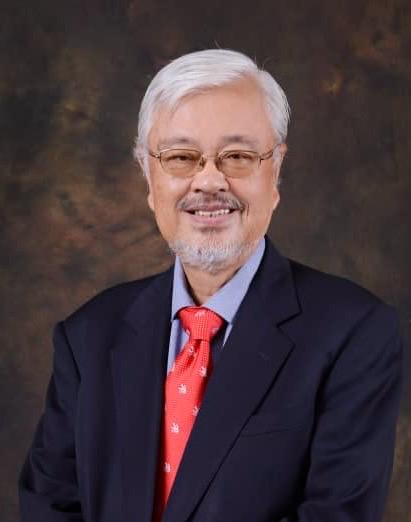
Sarawak Bumiputera Entrepreneurs Chamber (DUBS) president Datuk Abang Helmi Ikhwan said Bumiputera construction firms were among the worst affected, as higher diesel costs and supply limits begin to take their toll.
“While established construction and transport sectors have access to sufficient diesel at subsidised rates, most Bumiputera companies are only allocated 50 litres per heavy machinery per day,” he told Sarawak Tribune.
He added that DUBS, through its wholly owned subsidiary DUBS Holdings Sdn Bhd, owns 16 units of heavy construction machinery for Bumiputera contractors, but does not receive enough subsidised diesel to operate them effectively.
Abang Helmi appealed to the government to ensure adequate diesel supply at subsidised rates for DUBS Holdings Sdn Bhd.
He said the impact of the Middle East conflict is being felt globally, including in Sarawak, due to major disruptions to trade passing through the Straits of Hormuz.
“The disruption affects not only petroleum exports, but also chemical feedstocks used in many industries, including fertiliser production.
“Exports to the Gulf states are also being disrupted, slowing growth in other countries,” he said.
Against this backdrop, he welcomed the Premier’s announcement of special assistance for the rakyat following the conflict in the Middle East.
He described the programme as timely, saying it would help ease the burden on the people, particularly the business community in Sarawak.
“The additional assistance for SKAS recipients shows the government’s concern for the wellbeing of vulnerable groups.
“However, such initiatives tend to benefit individuals more than businesses,” he said.
Abang Helmi also welcomed the 50 per cent rental discount for government business premises for SMEs, the 25 per cent electricity bill discount, and the increase in SKAS assistance.
On the rental discount, he said the measure would help businesses weather the current challenges, but added that such discounts should be withdrawn during normal times to encourage efficiency.
While supporting the 25 per cent electricity discount, he suggested that some form of reduced tariff could be made permanent, similar to the lower charges offered to B40 low-consumption households in Kuala Lumpur and Selangor.
He noted that it remains unclear how long the Iran war will continue.
If it drags on for several more months, he warned that petroleum prices could rise further, along with fertiliser and food prices.
“This could lead to a recession or weaker market demand. It is uncertain whether businesses or consumers will bear the higher costs,” he said.
He added that if government finances permit, further subsidies may be needed during this difficult period.
“People must prepare for a different world, where higher food and goods prices become the norm.
“They should not expect conditions to return to the pre-war days,” he said.