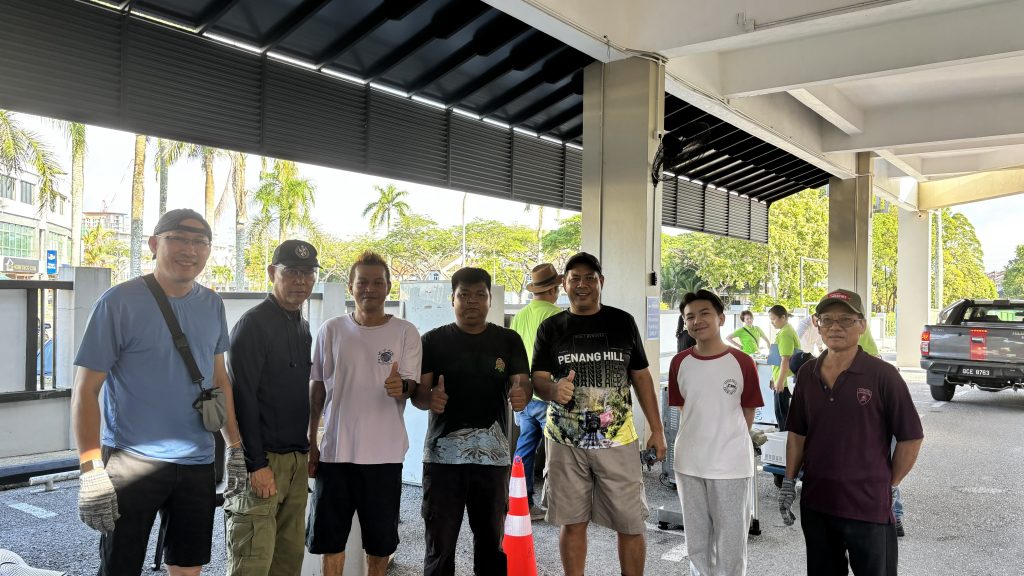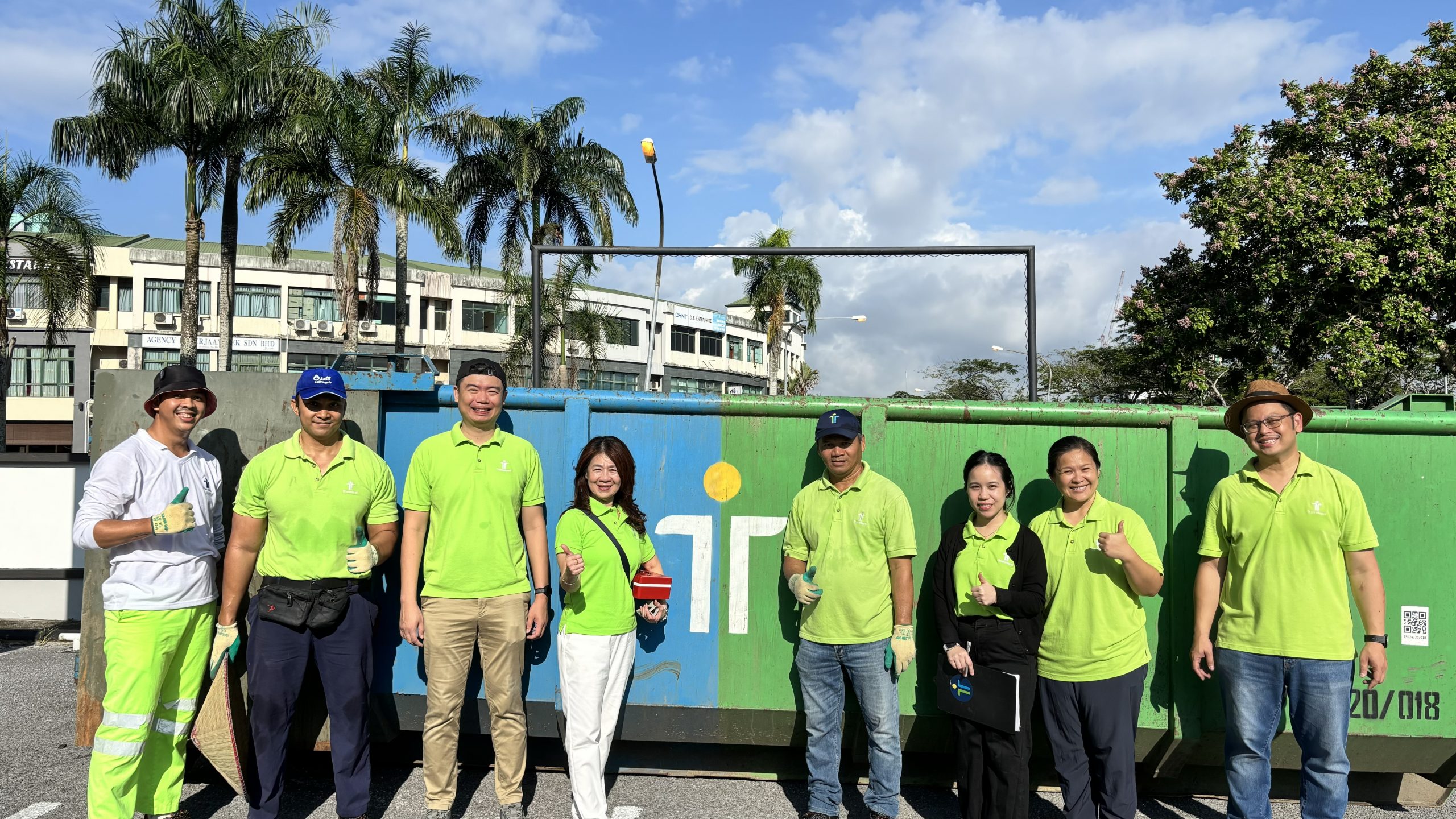
KUCHING: Residents turn up to dispose off electronic waste at a collection drive held at Blessed Sacrament Church’s Block A car park, jointly organised by the church and the Dayak Bidayuh National Association (DBNA) in collaboration with Trienekens.
The initiative aimed to promote proper e-waste disposal and raise awareness on the environmental risks associated with improper dumping of electronic items.
DBNA’s Vice-Chairman, Dr Bernard Stephen Jussem, said the programme was necessary as improper disposal of electronic waste remains a common issue in the community.
He said many discarded electronic items still end up in unsuitable locations, posing environmental hazards due to toxic materials that can affect soil and water sources.
“The common practice we still see is dumping. When these items are not disposed of properly, they can release harmful substances into the soil and water sources,” he said at Blessed Sacrament Church here today (April 18).
He said the initiative was designed to educate the public and encourage more responsible disposal practices.
A variety of electronic items, including washing machines, refrigerators, computers and mobile phones, were brought in by residents during the programme, which ran from 8:00 am to 12:00 pm.
There was a steady flow of participants observed throughout the programme as residents took the opportunity to dispose of unwanted electronic waste.
Meanwhile, Hansen Shim, a business development manager at Trienekens, said the initiative is part of ongoing efforts to strengthen public awareness on proper e-waste disposal methods.
He said the campaign has been running for about two years through collaborations with organisations such as churches, as well as support from local authorities and the Department of Environment.
“The aim is to continuously educate the public through collaborations with organisations such as churches, as well as support from local authorities and the Department of Environment,” he said.
He said the effort continues to gain traction as more communities become involved in similar programmes.
DBNA hopes to organise similar programmes at least twice a year in collaboration with other organisations and non-governmental organisations (NGOs) to further encourage community participation in responsible waste management practices.