KUCHING: Sarawak is positioning itself for a hydrogen-driven future as rising diesel costs and global uncertainties reshape the energy landscape.
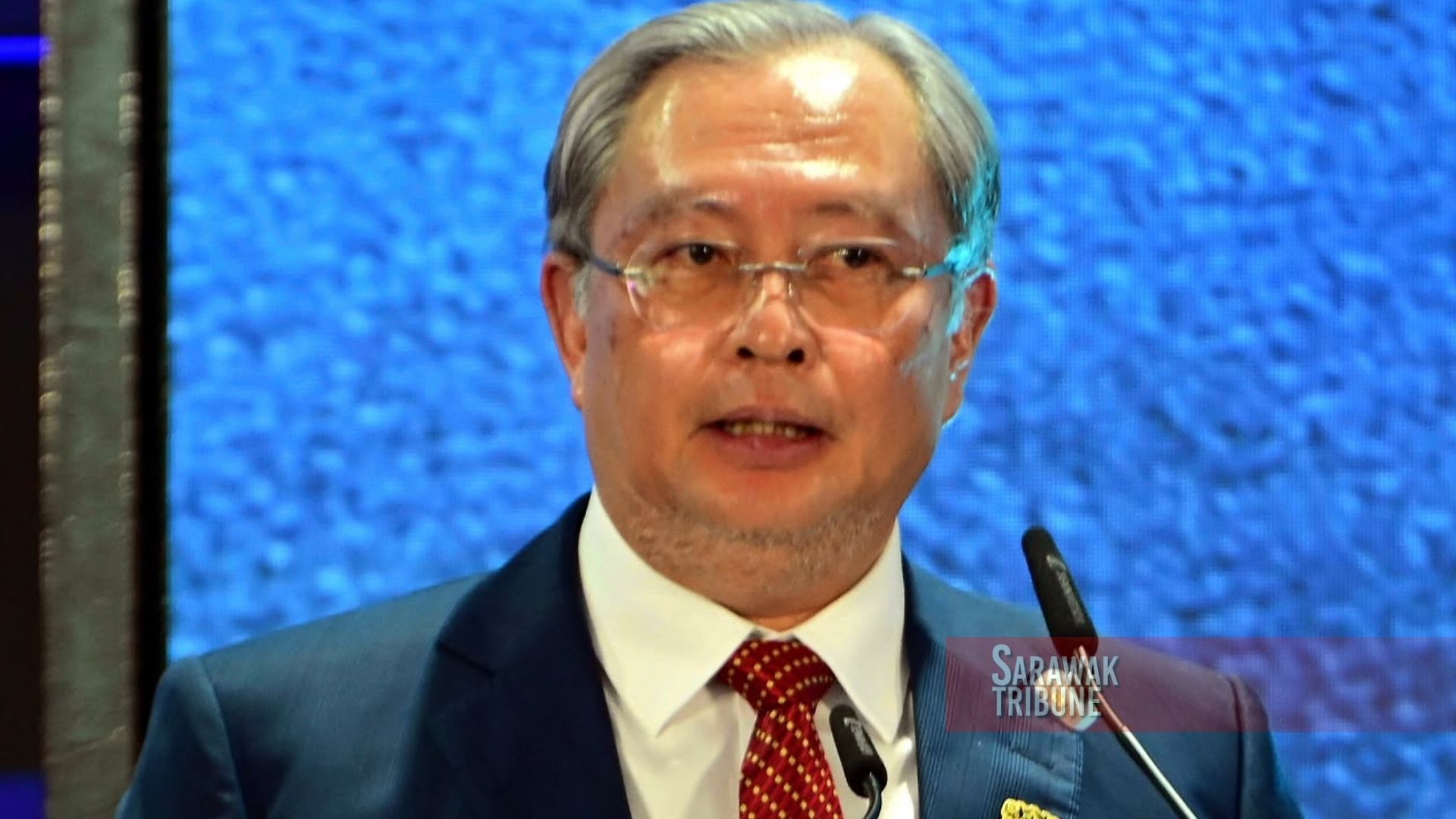
Premier Datuk Patinggi Tan Sri Abang Johari Tun Openg said that Sarawak had already laid the groundwork for a transition towards cleaner and more cost-efficient alternatives.
“Speaking of hydrogen, I have done my homework with the experts. With today’s diesel prices, hydrogen production will be much cheaper than diesel,” he said at a press conference during the GPS Convention at BCCK here today (April 19).
He noted that advancements in membrane technology have significantly reduced the cost of electrolysis, a key process in hydrogen production.
He cautioned that diesel prices would likely remain volatile due to ongoing geopolitical pressures, making alternative energy sources increasingly necessary.
“Problems will arise… alternative energy will be used, and we are lucky. Sarawak is ready,” he added.
Citing rural electrification efforts, Abang Johari pointed to Baram as a successful example of the state’s forward-looking approach.
A project initially reliant on diesel generators under the rural electrification programme was converted to solar energy six years ago, insulating it from fuel price fluctuations today.
Infrastructure development has also played a role in reducing dependency on diesel.
Previously reliant on boats for connectivity, many of which run on diesel, Sarawak has since completed many bridges, with a few more underway.
This has significantly reduced the number of operational river crossings and helped lower transport costs.
“If diesel goes up in price, then surely boat fares will go up too. But now, we can save this price,” he said, adding that Gabungan Parti Sarawak (GPS) is looking ahead to a more sustainable future.
Beyond energy, the Premier stressed the importance of fiscal discipline and long-term planning.
He said the state remains committed to prudent spending, focusing on strategic sectors while safeguarding financial reserves for future generations.
“Our physical policy must be highly disciplined. We do not just spend excessively, but we focus on strategic sectors,” he said, adding that savings would be reinvested to ensure sustained growth.
On biodiesel, Abang Johari acknowledged Sarawak’s potential, given its palm oil resources.
While adoption has been cautious, he expressed confidence that global shifts away from fossil fuels would drive acceptance, opening new economic opportunities for the state.
“With market acceptance, biodiesel becomes another product for us,” he said, pointing to growing international interest.
Abang Johari reiterated that stability and visionary leadership remain key to navigating Sarawak’s transition, ensuring long-term prosperity for its people.