Sarawak plans to implement large-scale paddy cultivation through the Sawah Berskala Besar (SBB) approach, which emphasises mechanisation and automation to improve productivity and efficiency.
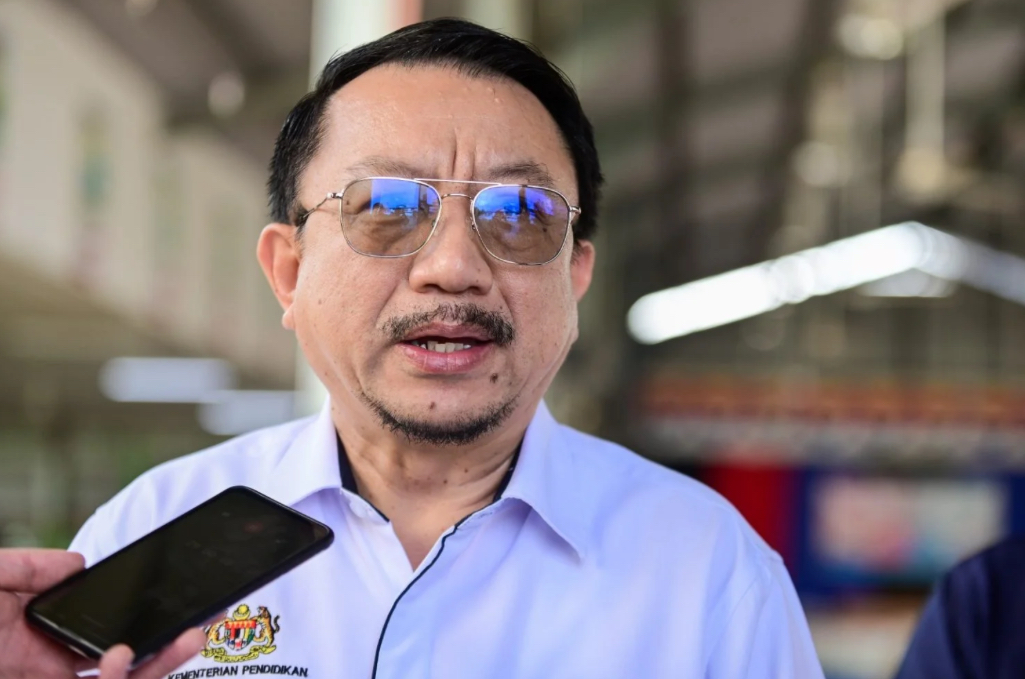
Minister of Food Industry, Commodity and Regional Development Datuk Seri Dr Stephen Rundi Utom said Sarawak produces about 81,000 metric tonnes of rice annually, far below the state’s target of 450,000 metric tonnes.
He said the state currently records a rice self-sufficiency level (SSL) of only 21 per cent, compared to around 42 per cent in 2004.
“Hence, to address this, this mechanism will improve the production of paddy and rice with modernisation.
“We will continue working closely with the Ministry of Agriculture and Food Security Malaysia, especially in matters involving delegated powers and approvals,” he said.
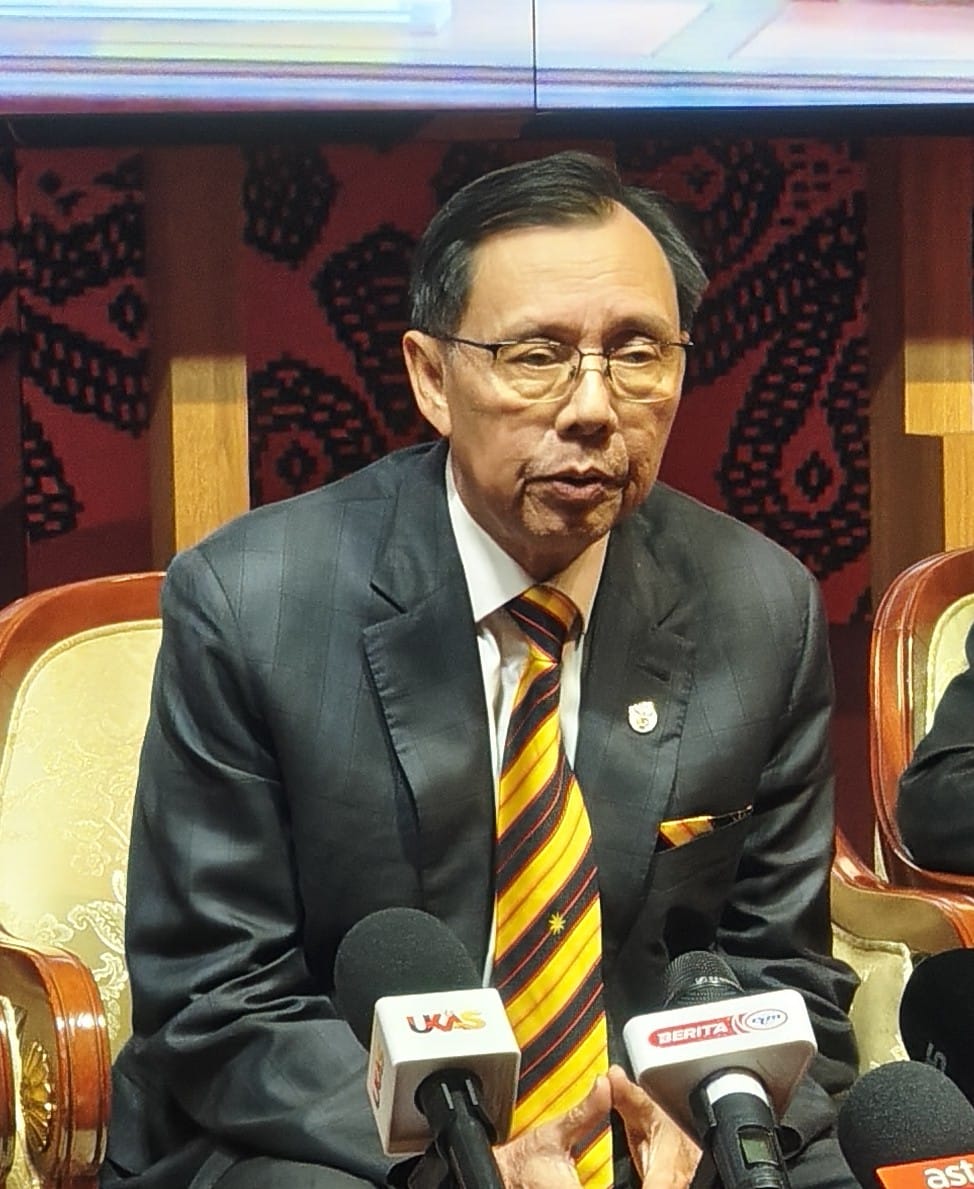
He said this during a press conference following the passing of the Sarawak Padi and Rice Board Bill, 2026, at the DUN Complex here today (May 12).
In addition, as Sarawak will work together with federal agencies, Dr Rundi said the Bill complements existing federal acts, and whenever empowerment or delegation of powers is needed, they will seek approval and endorsement from the federal ministry,
In addition, he said the state government is prioritising the development of paddy cultivation on state land due to challenges involving Native Customary Rights (NCR) land, which require extensive consultation and consensus-building.
“Out of 14,000 hectares identified for paddy development, about 6,000 hectares comprise state land that can be developed more quickly.
“However, the development costs remain high, with some areas requiring up to RM500,000 per hectare due to the need for proper irrigation, drainage and infrastructure systems,” he said
He said among the areas identified for immediate development are Tanjong Purun, Batang Lupar and Tanjong Bijat.
On rice pricing, he explained that Sarawak is currently unable to independently control rice prices as the mechanism falls under federal jurisdiction through Bernas and the relevant ministry.
“Once we have enough supply and manage the entire downstream process, then we can discuss pricing mechanisms,” he said.